
Jati
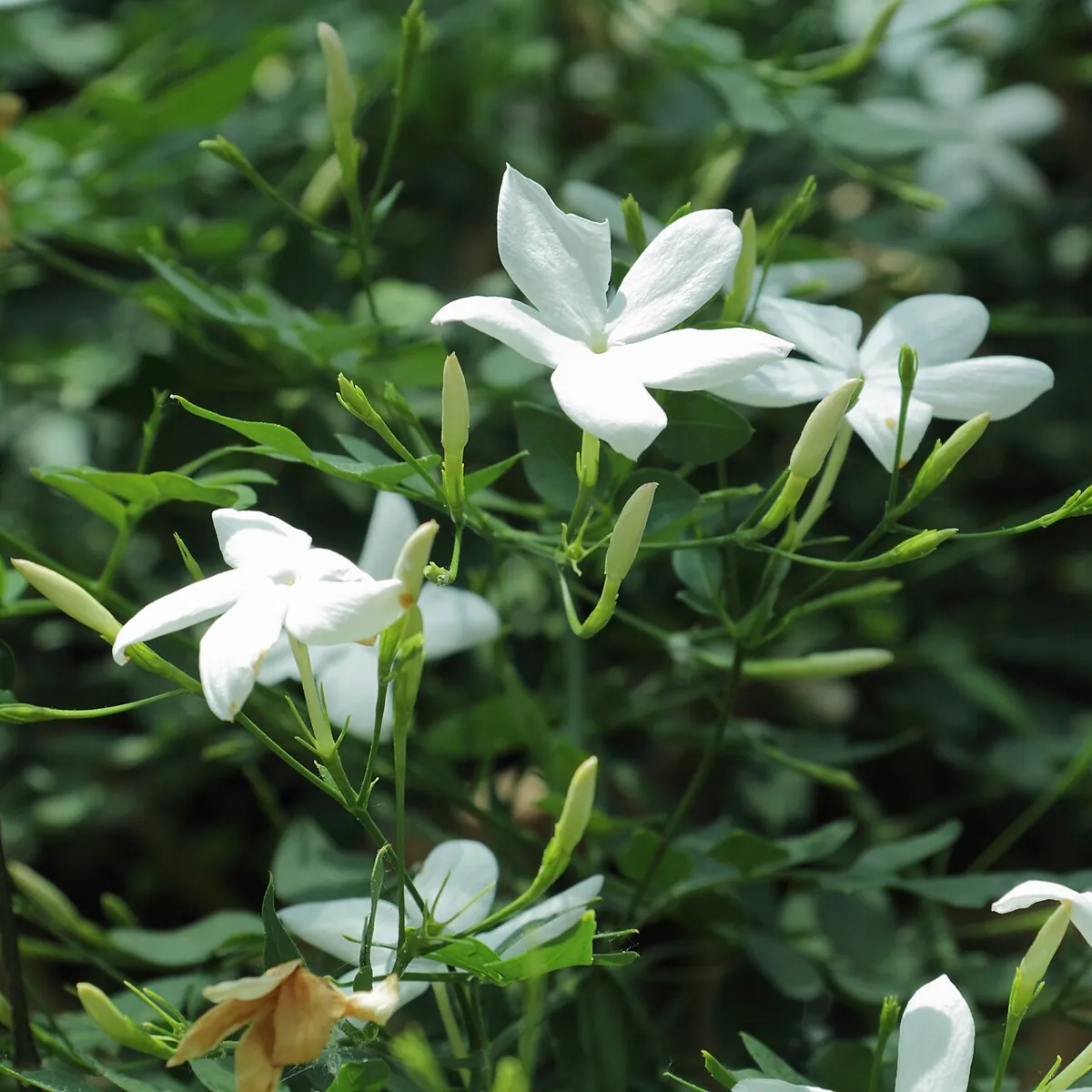
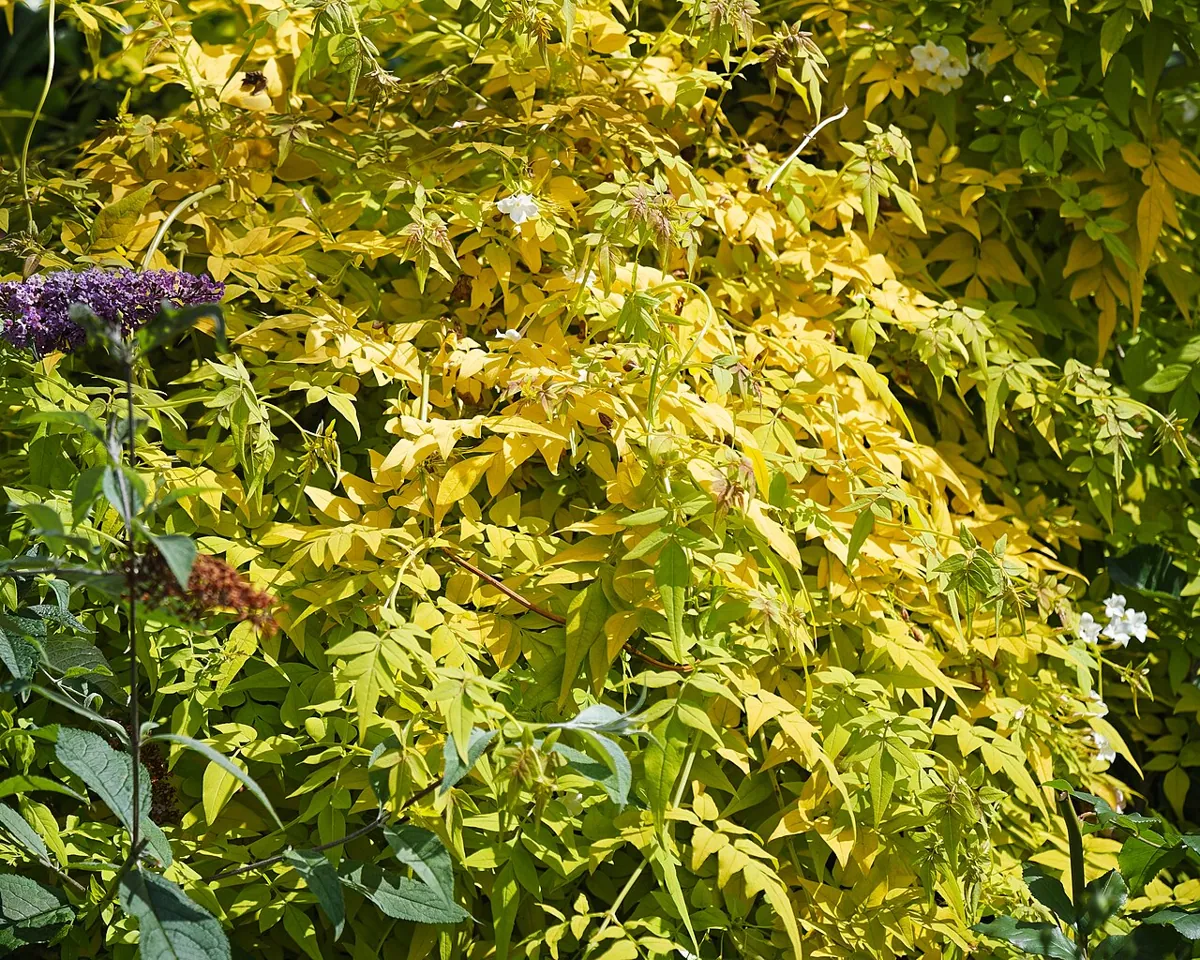
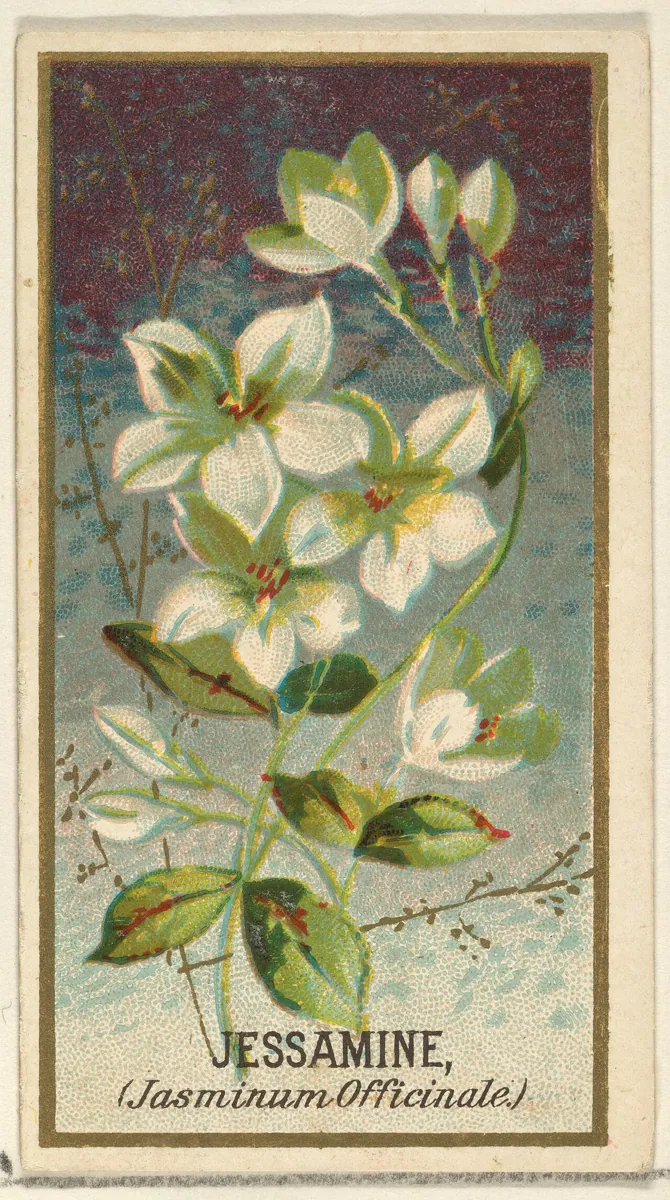
Jati (jasmine) is used in Ayurveda for mouth ulcers, wounds, skin and eye care.
About Jati
Jasmine (chameli) is grown for its fragrant white flowers.
Shloka from Bhavaprakasha Nighantu
जातीद्वयं तिक्तमुष्णं तुवरं लघु दोषजित्। शिरोक्षिमुखदन्तार्तिविषकुष्ठव्रणास्रनुत्॥
jātīdvayaṃ tiktamuṣṇaṃ tuvaraṃ laghu doṣajit| śirokṣimukhadantārtiviṣakuṣṭhavraṇāsranut||
Meaning: Both jasmines are bitter, hot, astringent, light and balance the doshas. They remove pain of the head, eyes, mouth and teeth, poison, skin disease, wounds and blood disorders.
Bhavaprakasha Nighantu, Pushpa varga
In the classical texts
- Bhavaprakasha Nighantu (Pushpa varga)Described with the shloka above.
- Classical formulasJatyadi taila and ghrita for wounds.
Synonyms (paryaya)
चंतिका,सुमना,चमेली
caṃtikā,sumanā,camelī
Classical indications
मुखपाक, व्रणरोपण, रक्तविकार, विषहर
mukhapāka, vraṇaropaṇa, raktavikāra, viṣahara
Effect on the three doshas
How vaidyas use it in practice
- Chewing leaves for mouth ulcers.
- Jatyadi taila on wounds.
Simple home uses
- Chew 2–3 fresh jasmine leaves for mouth ulcers.
For minor complaints only. If a problem lasts more than a few days or is severe, see a doctor.
Well-known formulations
जात्यादि-तैल-चूर्ण-घृत
jātyādi-taila-cūrṇa-ghṛta
What science says
Contains essential oils and secoiridoids; wound-healing effects.
Safety and cautions
Safe.
Who should not take it
- None in usual use
How to identify it, and common adulterants
White fragrant five-petalled flowers.
Growing it at home
Easy climber.
Questions people ask
Is Jatyadi taila from jasmine?
Yes, jasmine leaf is the main ingredient.
This page is general information from classical Ayurvedic texts and published research. It is not a prescription. Herbs act differently in different people; take any herb only after a qualified vaidya examines you, and do not stop prescribed medicines.