
Jatamansi
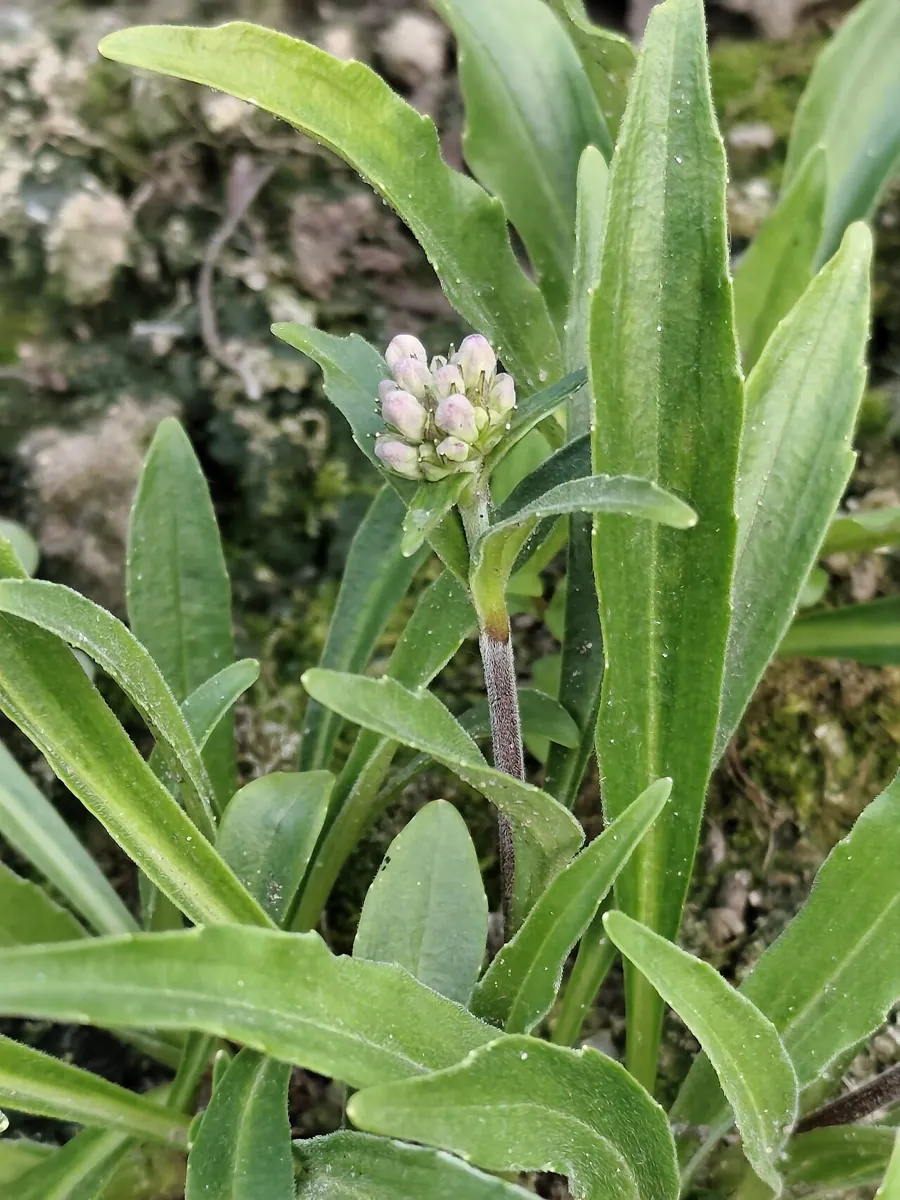
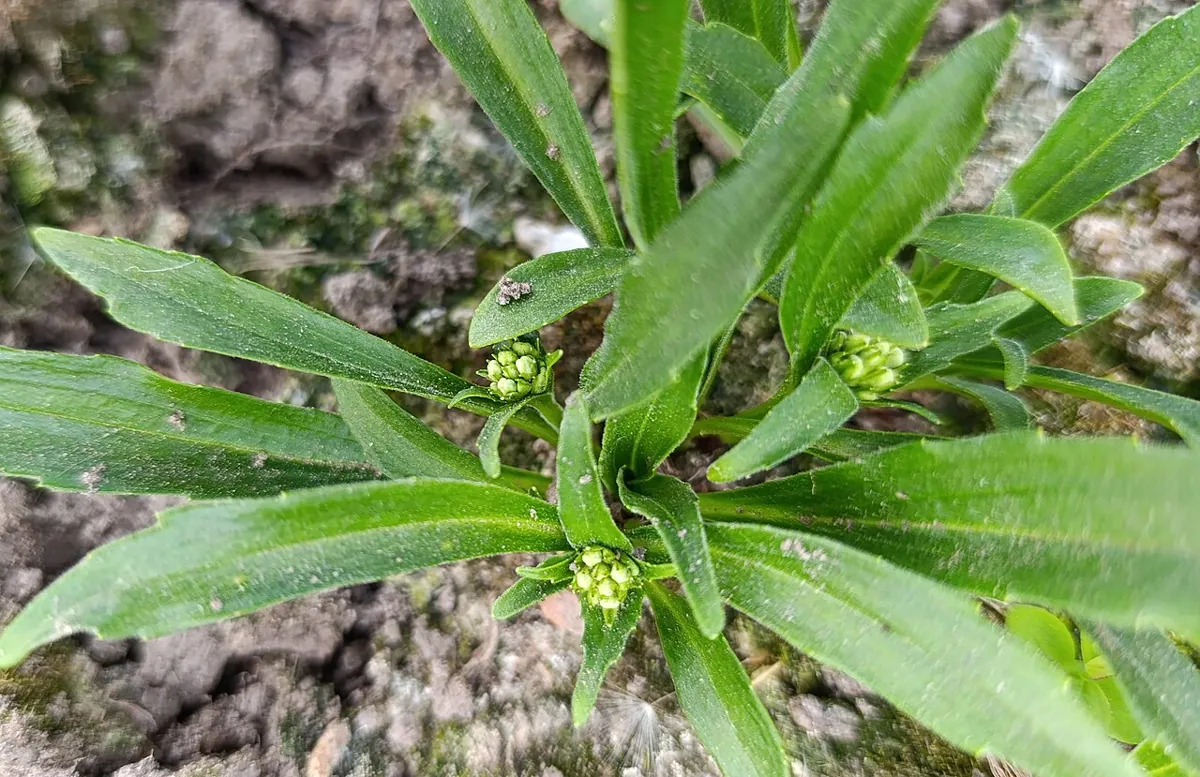
Jatamansi (spikenard) is a calming, aromatic Himalayan root used in Ayurveda for anxiety, sleep, memory, headache and skin and hair care.
About Jatamansi
Jatamansi is a small perennial herb of the high Himalaya (3,000–5,000 m) whose rhizome is covered with hair-like fibres, giving the name 'with matted hair'. Wild collection has made it threatened, so cultivated sources are preferred.
In the classical texts
- Charaka Samhita (Sutrasthana 4)As Jatila, included in the Sanjnasthapana (restoring consciousness) mahakashaya.
- Bhavaprakasha NighantuDescribed as tikta, kashaya, shita, medhya, kantiprada (giving lustre) and balya, useful in burning, skin disease and blood disorders.
- Ashtanga Hridaya and Sushruta SamhitaUsed in oils, ghee and incense formulas for the mind and for wounds.
Synonyms (paryaya)
भूतजटा,तपस्वनी,सुलोमशा
bhūtajaṭā,tapasvanī,sulomaśā
Classical indications
मेध्य, वर्ण्य, बल्य, त्रिदोषहर, दाह, विसर्प, कुष्ठनाशक, रक्तप्रवाह सन्तुलित
medhya, varṇya, balya, tridoṣahara, dāha, visarpa, kuṣṭhanāśaka, raktapravāha santulita
Effect on the three doshas
How vaidyas use it in practice
- Jatamansi powder at night with warm milk or water for poor sleep and restlessness, as advised.
- In Sarasvatarishta and Manasamitra vataka for anxiety and memory complaints.
- Jatamansi oil for head massage in stress-related headache and hair fall.
- Paste on the forehead for headache from heat.
- In incense and fumigation for a calming effect.
Simple home uses
- A few drops of Jatamansi oil massaged into the scalp before sleep.
For minor complaints only. If a problem lasts more than a few days or is severe, see a doctor.
Well-known formulations
मांस्यादि क्वाथ
māṃsyādi kvātha
What science says
The rhizome contains sesquiterpenes (jatamansone, also called valeranone, and nardostachone) and coumarins. Animal studies show sedative, anti-anxiety and antioxidant effects. Human evidence is limited.
Safety and cautions
Avoid with sedatives, sleeping pills or alcohol unless the doctor agrees, as effects may add up. Avoid in pregnancy. Buy from a reliable cultivated source because the wild plant is threatened and often adulterated.
Who should not take it
- With sedatives, sleeping pills or alcohol
- Pregnancy
- Very low blood pressure
How to identify it, and common adulterants
The rhizome is short, dark brown, covered in reddish-brown hair-like fibres, with a strong musky smell. Valeriana and other roots are common substitutes.
Growing it at home
A protected alpine plant of the high Himalaya; it cannot be grown in the plains. Buy from cultivated, legal sources.
Questions people ask
Is Jatamansi the same as Tagara?
No. Both calm the mind, but Tagara is Indian valerian (Valeriana jatamansi), while Jatamansi is Nardostachys jatamansi.
Can Jatamansi help sleep?
It is commonly used for sleep linked to stress and Vata, along with routine and diet advice from the vaidya.
This page is general information from classical Ayurvedic texts and published research. It is not a prescription. Herbs act differently in different people; take any herb only after a qualified vaidya examines you, and do not stop prescribed medicines.