
Jambu
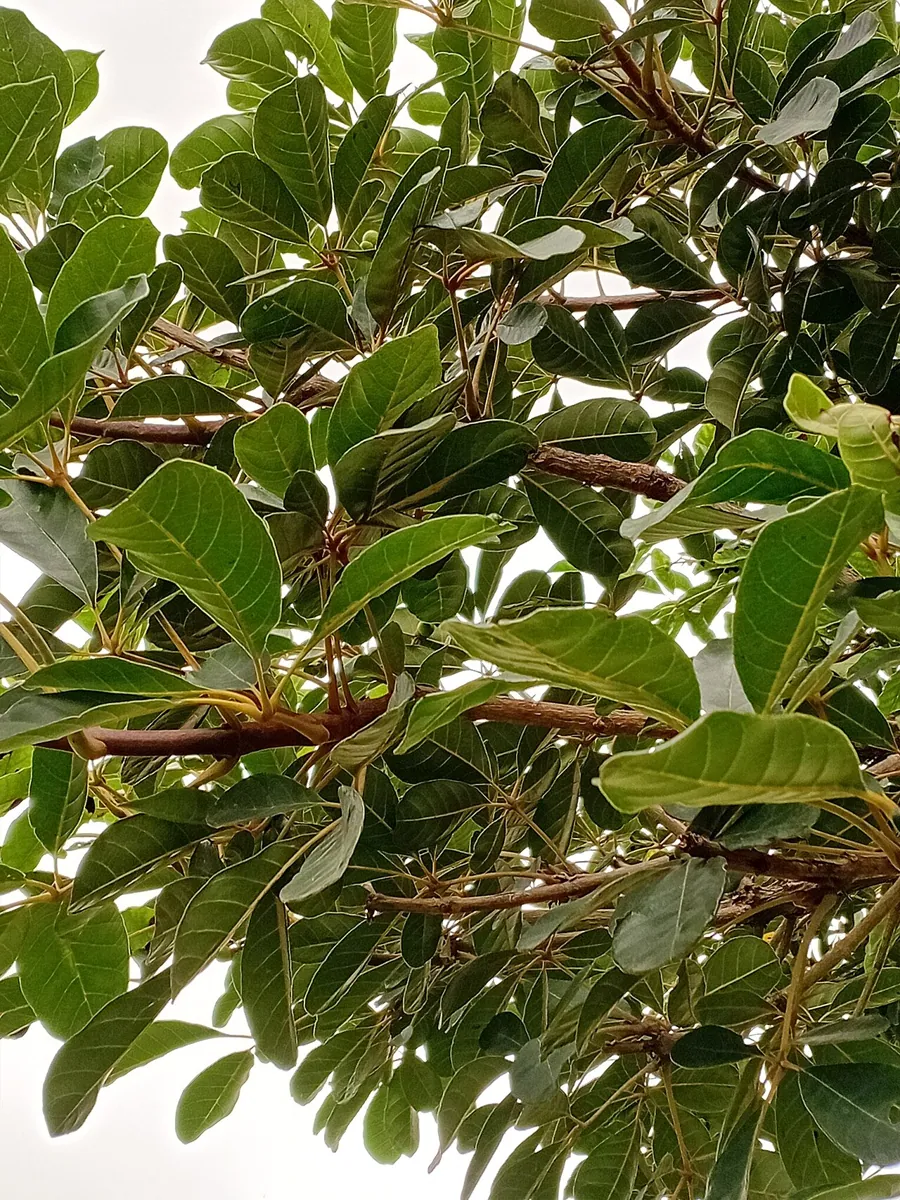
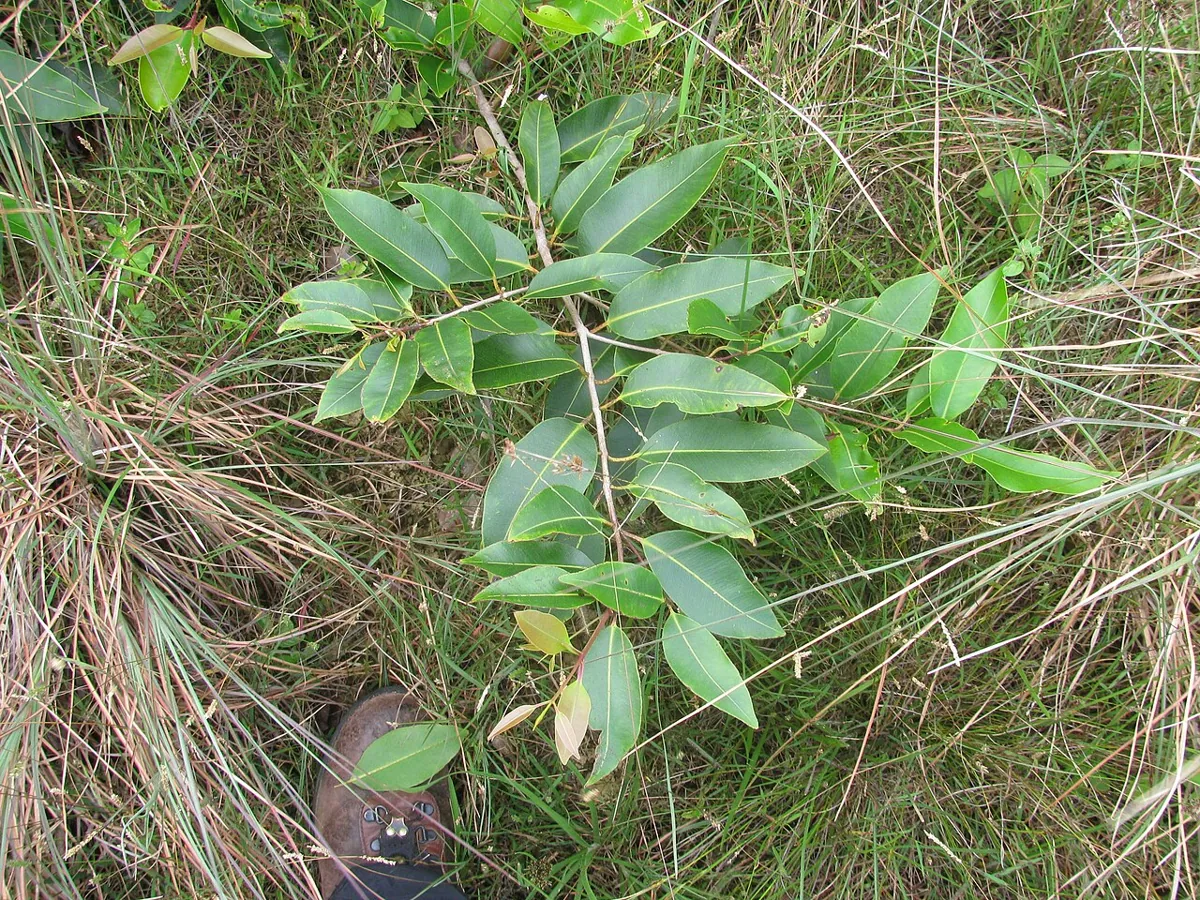
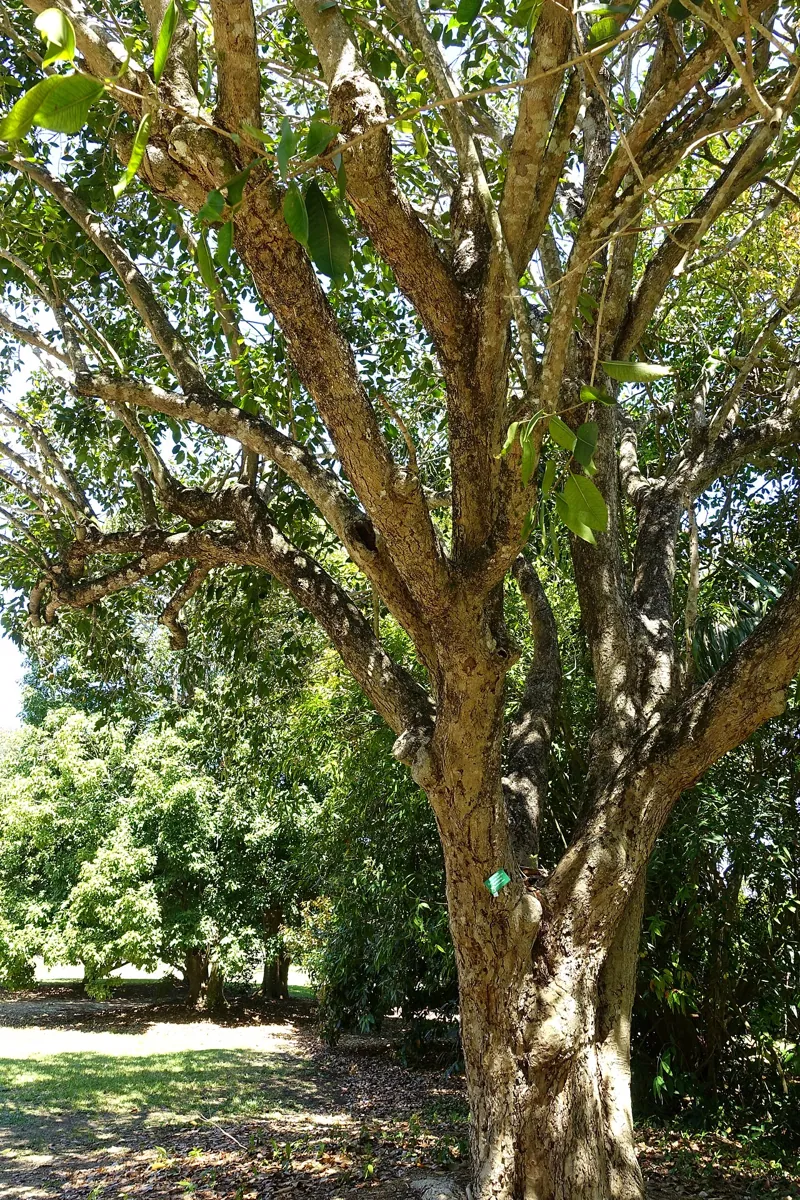
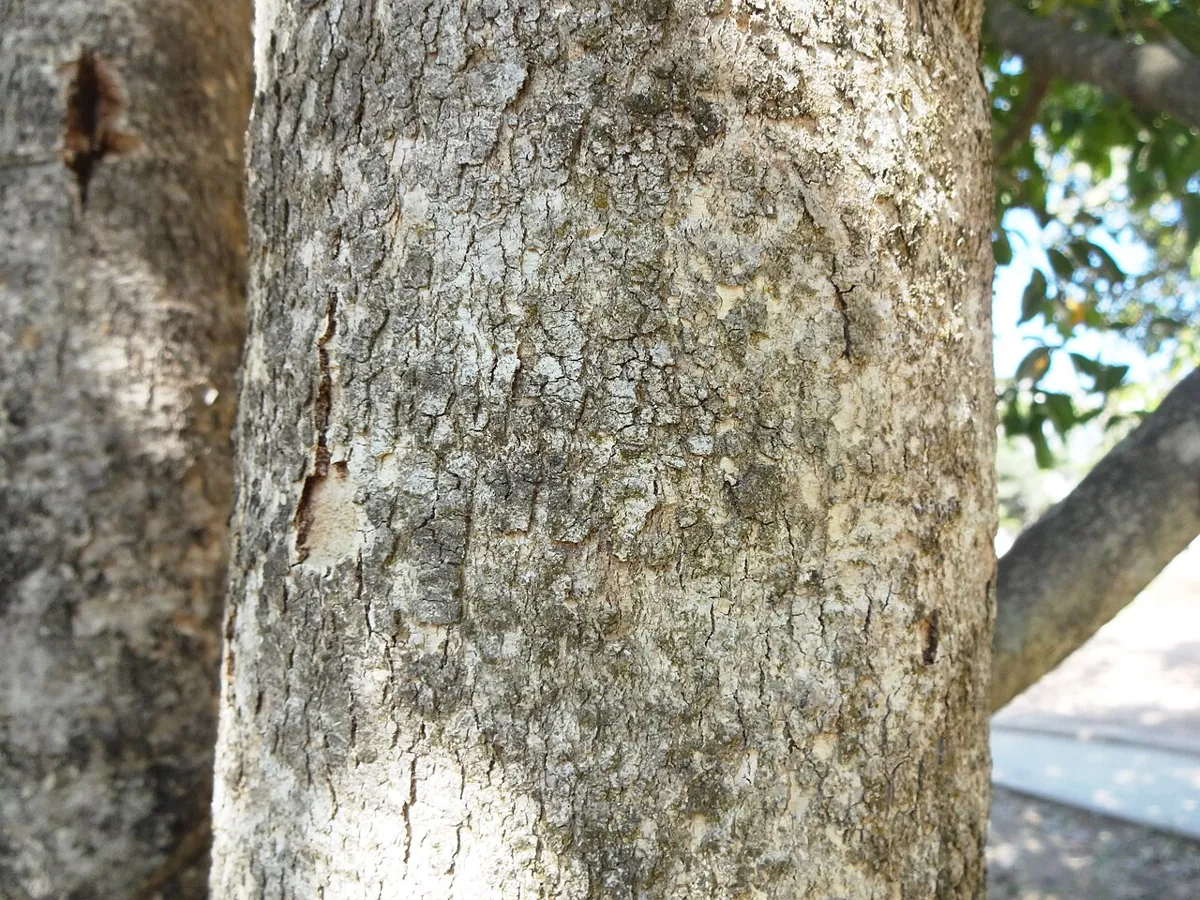
Jambu (jamun) is a cooling, astringent fruit tree used in Ayurveda for prameha, diarrhoea and bleeding; its seed is used in blood-sugar care.
About Jambu
Jamun is a large evergreen tree common across India; its purple fruits ripen in the monsoon. The seed, bark and fruit are used medicinally.
In the classical texts
- Charaka Samhita (Sutrasthana 4)Included in the Purishasangrahaniya and Mutrasangrahaniya groups.
- Classical practiceJambu seed in Prameha; bark in diarrhoea and bleeding.
Synonyms (paryaya)
महाफला,फलेन्द्रा,जामुन
mahāphalā,phalendrā,jāmuna
Classical indications
व्रण, प्रमेह, भग्न, अतिसार, अत्यार्तव, वमन, रक्तातिसार
vraṇa, prameha, bhagna, atisāra, atyārtava, vamana, raktātisāra
Effect on the three doshas
How vaidyas use it in practice
- Jamun seed powder in blood-sugar care alongside medicines.
- Bark decoction for diarrhoea.
- Bark gargle for mouth ulcers.
Simple home uses
- Eat ripe jamun in season.
- Jamun seed powder (half a teaspoon) with water, if the doctor agrees for sugar.
For minor complaints only. If a problem lasts more than a few days or is severe, see a doctor.
Well-known formulations
जम्ब्वाद्य तैल, पंचपल्लव योग
jambvādya taila, paṃcapallava yoga
What science says
Seeds contain jamboline and ellagitannins. Studies show modest blood-sugar-lowering effects.
Safety and cautions
May lower sugar; monitor with diabetes medicines.
Who should not take it
- On diabetes medicines without monitoring
- Constipation
How to identify it, and common adulterants
Glossy leaves; oblong purple-black fruits that stain the tongue.
Growing it at home
Grows well in Vidarbha; plant saplings in the monsoon.
Questions people ask
Does jamun seed help diabetes?
It may help modestly, with diet and medicines.
This page is general information from classical Ayurvedic texts and published research. It is not a prescription. Herbs act differently in different people; take any herb only after a qualified vaidya examines you, and do not stop prescribed medicines.