
Haritaki
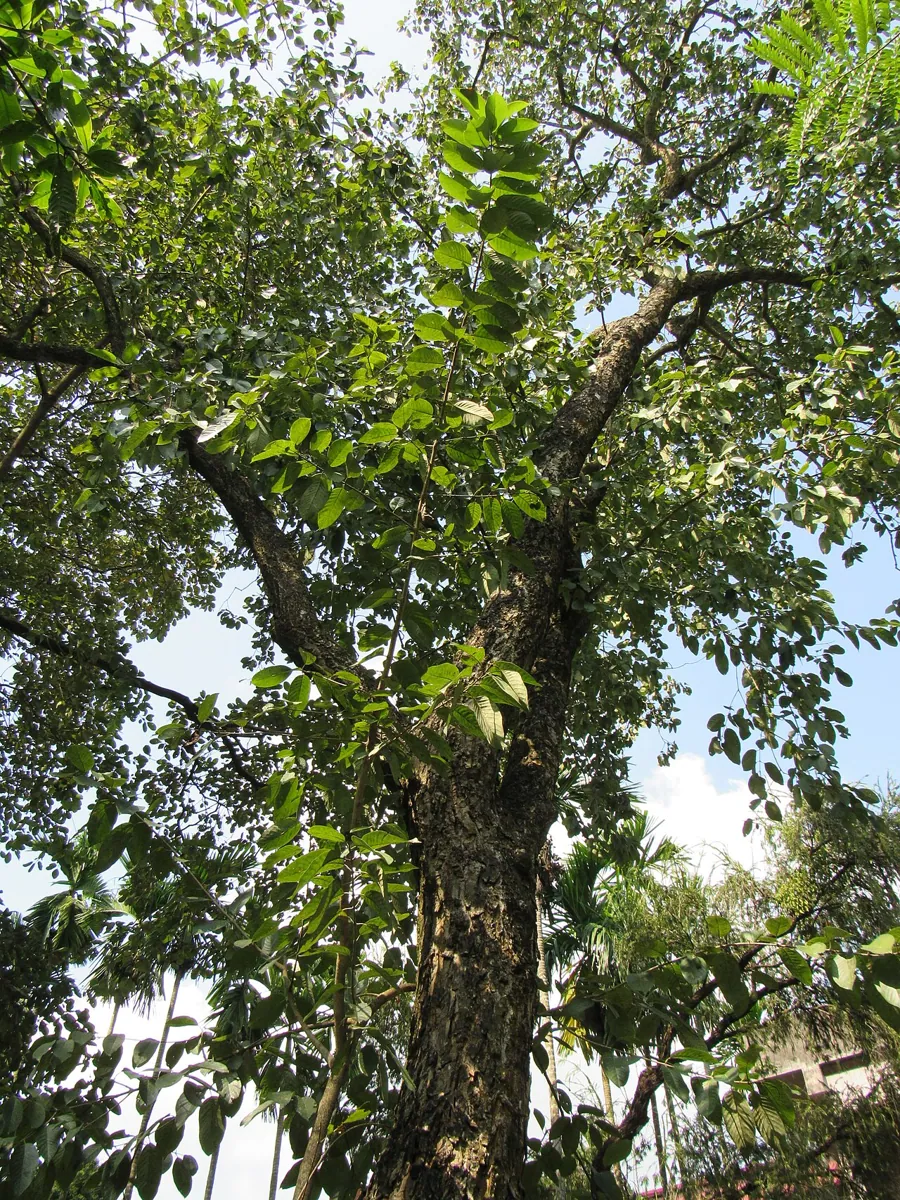
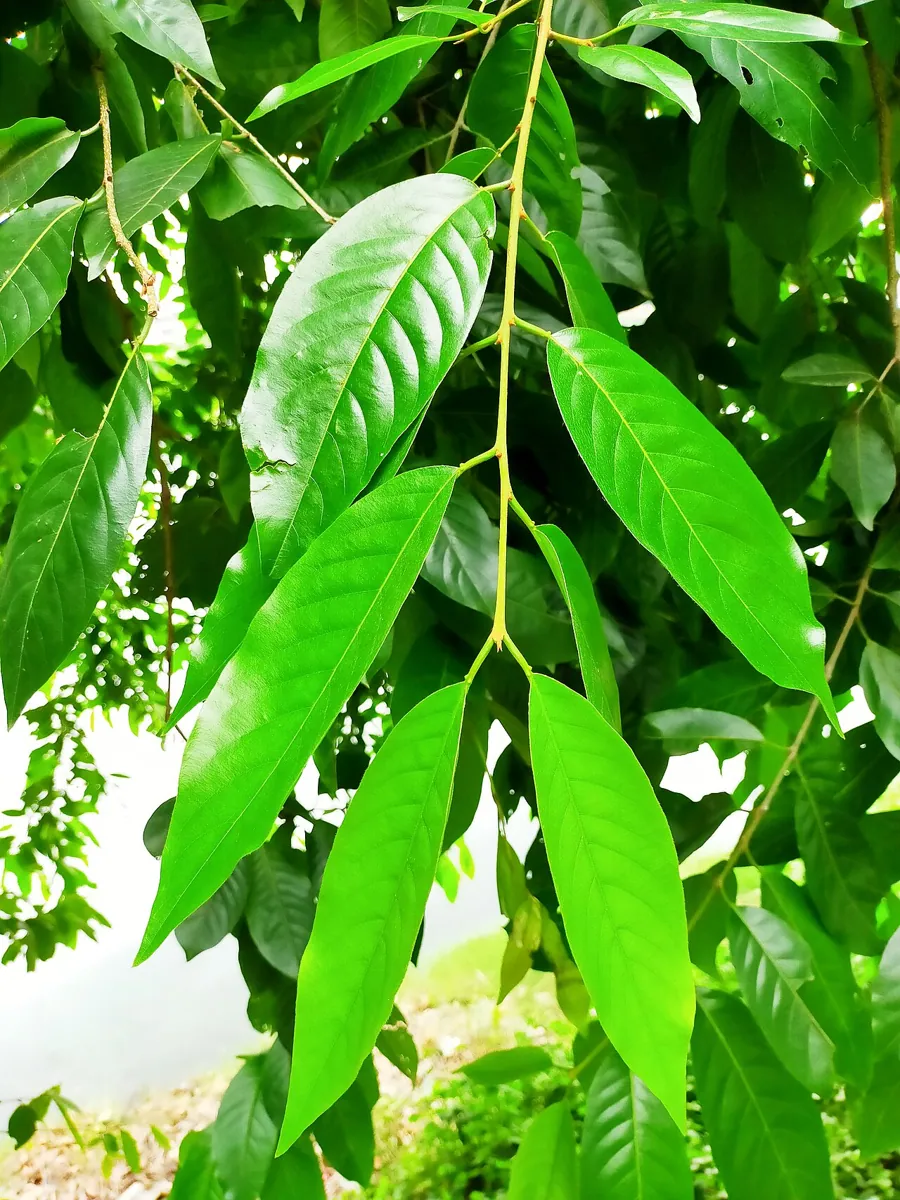
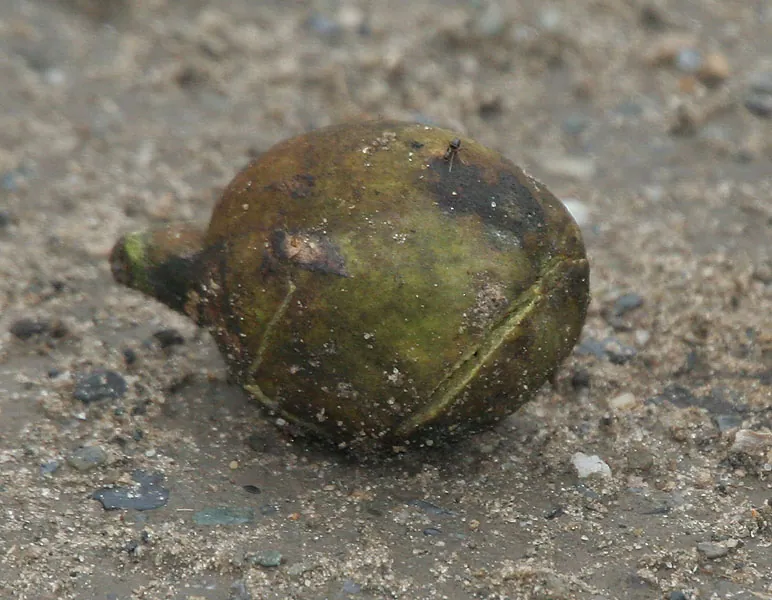
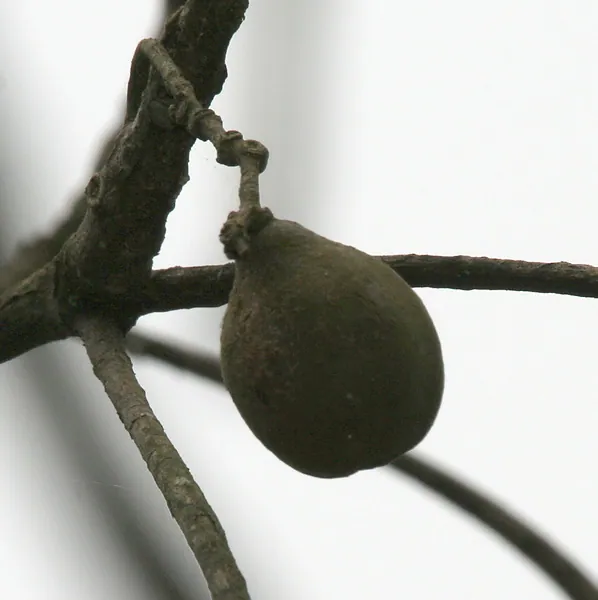
Haritaki, called Abhaya and Pathya, is the king of Ayurvedic fruits: a gentle laxative, digestive and rasayana used for almost every system.
About Haritaki
Haritaki is the dried fruit of a large tree of the Terminalia family that grows in the forests of central and northern India; Vidarbha and Madhya Pradesh are among its sources. It is one of the three fruits of Triphala. Bhavaprakasha compares it to a mother, saying a mother may sometimes be angry with her child but Haritaki never harms one who takes it properly.
Shloka from Bhavaprakasha Nighantu
हरीतकी मनुष्याणां मातेव हितकारिणी। कदाचित् कुप्यते माता नोदरस्था हरीतकी॥
harītakī manuṣyāṇāṃ māteva hitakāriṇī| kadācit kupyate mātā nodarasthā harītakī||
हरीतकी पञ्चरसाऽलवणा तुवरा परम्। रूक्षोष्णा दीपनी मेध्या स्वादुपाका रसायनी॥ चक्षुष्या लघुरायुष्या बृंहणी चानुलोमनी।
harītakī pañcarasā'lavaṇā tuvarā param| rūkṣoṣṇā dīpanī medhyā svādupākā rasāyanī|| cakṣuṣyā laghurāyuṣyā bṛṃhaṇī cānulomanī|
Meaning: Haritaki does good to people like a mother. A mother may sometimes be angry, but Haritaki in the stomach never is. It has five tastes, all except salty, astringent above all; it is dry and hot, kindles digestion, is good for the mind, sweet after digestion, a rasayana, good for the eyes, light, life-promoting, nourishing, and moves Vata downward.
Bhavaprakasha Nighantu, Haritakyadi varga
In the classical texts
- Charaka Samhita (Sutrasthana 4)Found in the Prajasthapana (as Shiva), Jvaraghna, Kasaghna, Arshoghna, Kushthaghna and Virechanopaga groups.
- Charaka Samhita (Chikitsasthana 1)Opens the Rasayana chapter: Haritaki is the main herb of Brahma rasayana and other rejuvenating formulas.
- Bhavaprakasha Nighantu (Haritakyadi varga)The varga is named after it. It describes seven varieties (Vijaya, Rohini, Putana, Amrita, Abhaya, Jivanti, Chetaki) and Ritu Haritaki: which partner to take it with in each season.
- Ashtanga HridayaAdvised as a daily rasayana; with ghee, honey or jaggery depending on dosha and season.
Synonyms (paryaya)
अभया,पथ्या,हरङ
abhayā,pathyā,haraṅa
Classical indications
त्रिदोषहर, मलशोधक, संग्राही, रसायन, पाण्डू, नेत्ररोग, उदर, प्रमेह, अर्श, कास, व्रण
tridoṣahara, malaśodhaka, saṃgrāhī, rasāyana, pāṇḍū, netraroga, udara, prameha, arśa, kāsa, vraṇa
Effect on the three doshas
How vaidyas use it in practice
- Haritaki churna 3 to 5 g with warm water at bedtime for constipation and bloating; the most common daily use.
- Ritu Haritaki: with jaggery in the rains, sugar in autumn, dry ginger in early winter, pippali in late winter, honey in spring and jaggery in summer, as taught in the texts.
- Roasted in ghee and chewed for cough and hoarse voice.
- Abhayarishta for piles and constipation; Agastya Haritaki rasayana for chronic cough and breathlessness.
- As a gargle (Triphala kwatha) for mouth ulcers and gum care.
Simple home uses
- Half a teaspoon of Haritaki powder with warm water at bedtime for occasional constipation.
- Roast a Haritaki fruit in ghee and suck a small piece for a hoarse voice.
For minor complaints only. If a problem lasts more than a few days or is severe, see a doctor.
Well-known formulations
अभयारिष्ट, अगस्त्यहरीतकी
abhayāriṣṭa, agastyaharītakī
What science says
Haritaki is rich in hydrolysable tannins (chebulagic and chebulinic acids, corilagin), gallic acid and ellagic acid. Laboratory work shows antioxidant, antibacterial and gut-motility effects. Clinical work on Triphala supports its use for constipation and dental plaque. Larger, long-term trials are still few.
Safety and cautions
Avoid in pregnancy, in severe dehydration or exhaustion, after fasting, and when the body is very thin and dry, as the classics also say. Excess use can cause loose stools and dryness.
Who should not take it
- Pregnancy
- Severe weakness, fasting or dehydration
- Very thin, dry and tired people (as the classics say)
- Diarrhoea
How to identify it, and common adulterants
Good Haritaki fruits are heavy, wrinkled, yellow-brown to dark, with a hard stone; they sink in water. Light, insect-bored or mouldy fruits are poor. Small, unripe fruits sold as 'black harad' (Bal Haritaki) are a different grade.
Growing it at home
A large forest tree that needs space; it grows in Vidarbha's forests. Plant a sapling in the monsoon in deep soil; fruiting starts after many years.
Questions people ask
Can Haritaki be taken daily?
Many people take small doses at night for years under guidance. The vaidya adjusts dose and partner (anupana) to your season and body type.
Is Haritaki the same as Triphala?
No. Triphala is a blend of Haritaki, Bibhitaki and Amalaki; Haritaki is one of the three.
This page is general information from classical Ayurvedic texts and published research. It is not a prescription. Herbs act differently in different people; take any herb only after a qualified vaidya examines you, and do not stop prescribed medicines.