
Haridra
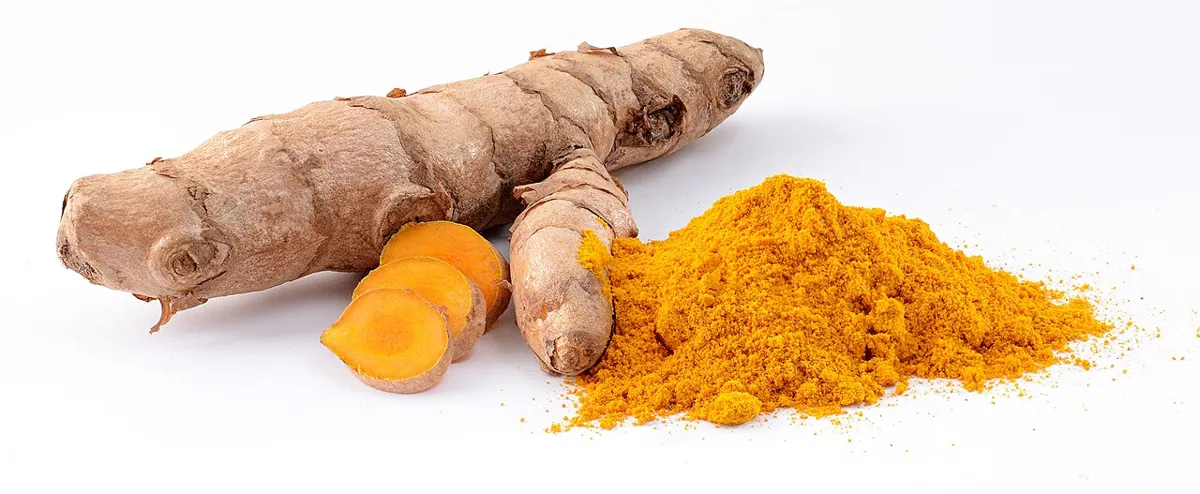
Haridra (turmeric) is a warming, bitter rhizome used in Ayurveda for skin, blood-sugar care, wounds, cough and as a daily kitchen medicine.
About Haridra
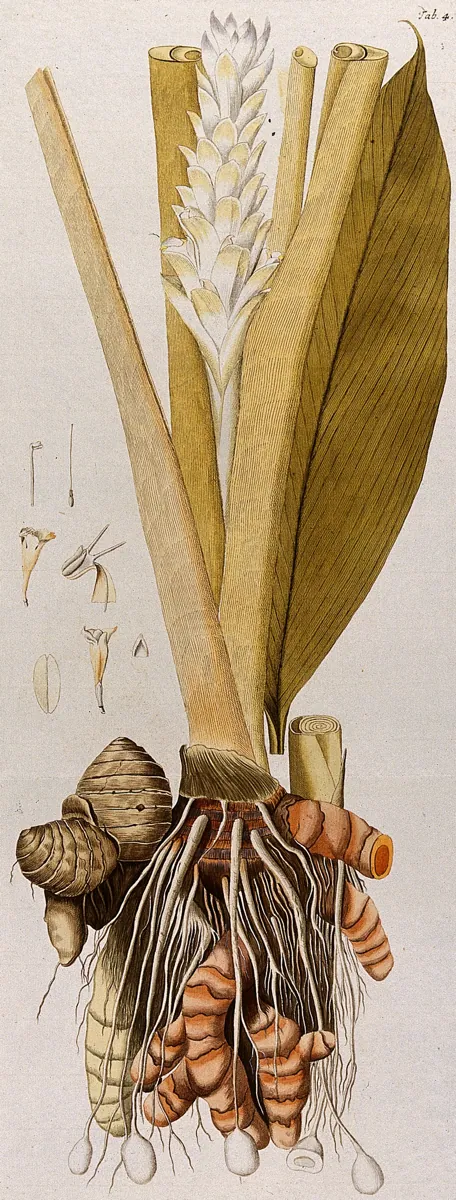
Haridra is the rhizome of a ginger-family plant cultivated across India; Sangli and Waigaon (Wardha) in Maharashtra are known for their turmeric. In Indian homes it is food, medicine and ritual all at once. Ayurveda names it Nisha (night) and Kanchani (golden).
Shloka from Bhavaprakasha Nighantu
हरिद्रा कटुका तिक्ता रूक्षोष्णा कफपित्तनुत्। वर्ण्या त्वग्दोषमेहास्रशोथपाण्डुव्रणापहा॥
haridrā kaṭukā tiktā rūkṣoṣṇā kaphapittanut| varṇyā tvagdoṣamehāsraśothapāṇḍuvraṇāpahā||
Meaning: Haridra is pungent and bitter, dry and hot; it removes Kapha and Pitta, improves complexion, and cures skin disorders, prameha, blood disorders, swelling, anaemia and wounds.
Bhavaprakasha Nighantu, Haritakyadi varga
In the classical texts
- Charaka Samhita (Sutrasthana 4)Placed in the Lekhaniya (scraping, reducing), Kushthaghna (skin) and Vishaghna (anti-toxic) mahakashayas.
- Sushruta SamhitaHaridradi and Mustadi ganas, and widely used in wound care as a lepa (paste).
- Bhavaprakasha Nighantu (Haritakyadi varga)Described as katu-tikta, ushna, and useful in kapha, pitta, tvakdosha, prameha, rakta dosha, shotha, pandu and vrana.
- Ashtanga Hridaya (Chikitsasthana 12)Nisha-Amalaki, turmeric with amla juice, is the classic formula in Prameha.
Synonyms (paryaya)
कांचनी,कृमिघ्ना,निशा,गौरी,योषितप्रिया,
kāṃcanī,kṛmighnā,niśā,gaurī,yoṣitapriyā,
Classical indications
वर्ण्या, त्वग्दोष, मेह, रक्तविकार, शोथ, पाण्डू, व्रण, शीतपित्त, कास, अस्थिभग्न
varṇyā, tvagdoṣa, meha, raktavikāra, śotha, pāṇḍū, vraṇa, śītapitta, kāsa, asthibhagna
Effect on the three doshas
How vaidyas use it in practice
- Haridra with warm milk (haldi doodh) at night for cough, throat irritation and body ache.
- Nisha-Amalaki powder in blood-sugar care, alongside the doctor's treatment.
- Paste with water or ghee on minor cuts, bruises and sprains; with gram flour as a skin ubtan.
- Haridra khanda for allergic skin and seasonal cough.
- Gargles with turmeric and salt water for sore throat.
Simple home uses
- Half a teaspoon of turmeric in warm milk at night for cough and body ache.
- Turmeric with a little salt in warm water as a gargle for sore throat.
- Turmeric and ghee paste on minor cuts and bruises.
For minor complaints only. If a problem lasts more than a few days or is severe, see a doctor.
Well-known formulations
हरिद्राखण्ड
haridrākhaṇḍa
What science says
Turmeric contains curcuminoids (curcumin, demethoxy- and bisdemethoxycurcumin) and an essential oil rich in turmerones. Curcumin is among the most studied plant compounds, with trials in joint pain, metabolic health and inflammation. On its own it is poorly absorbed; fat (milk, ghee) and black pepper improve this, which matches the traditional way of taking it.
Safety and cautions
Food amounts are safe. Concentrated extracts should be avoided before surgery, with gallstones or bile-duct blockage, and with blood thinners unless the doctor agrees. Rare liver injury has been reported with high-dose curcumin supplements, especially those with added piperine.
Who should not take it
- Gallstones or bile duct blockage (for concentrated extracts)
- Before surgery and with blood thinners (for supplements)
- Pregnancy in medicinal doses
How to identify it, and common adulterants
Good turmeric powder is deep yellow with a fresh earthy smell. Bright, unnatural colour may mean added dye (metanil yellow or lead chromate). A simple check: a pinch in water should not leave a heavy bright sediment. Buy whole dried rhizomes and grind at home when possible.
Growing it at home
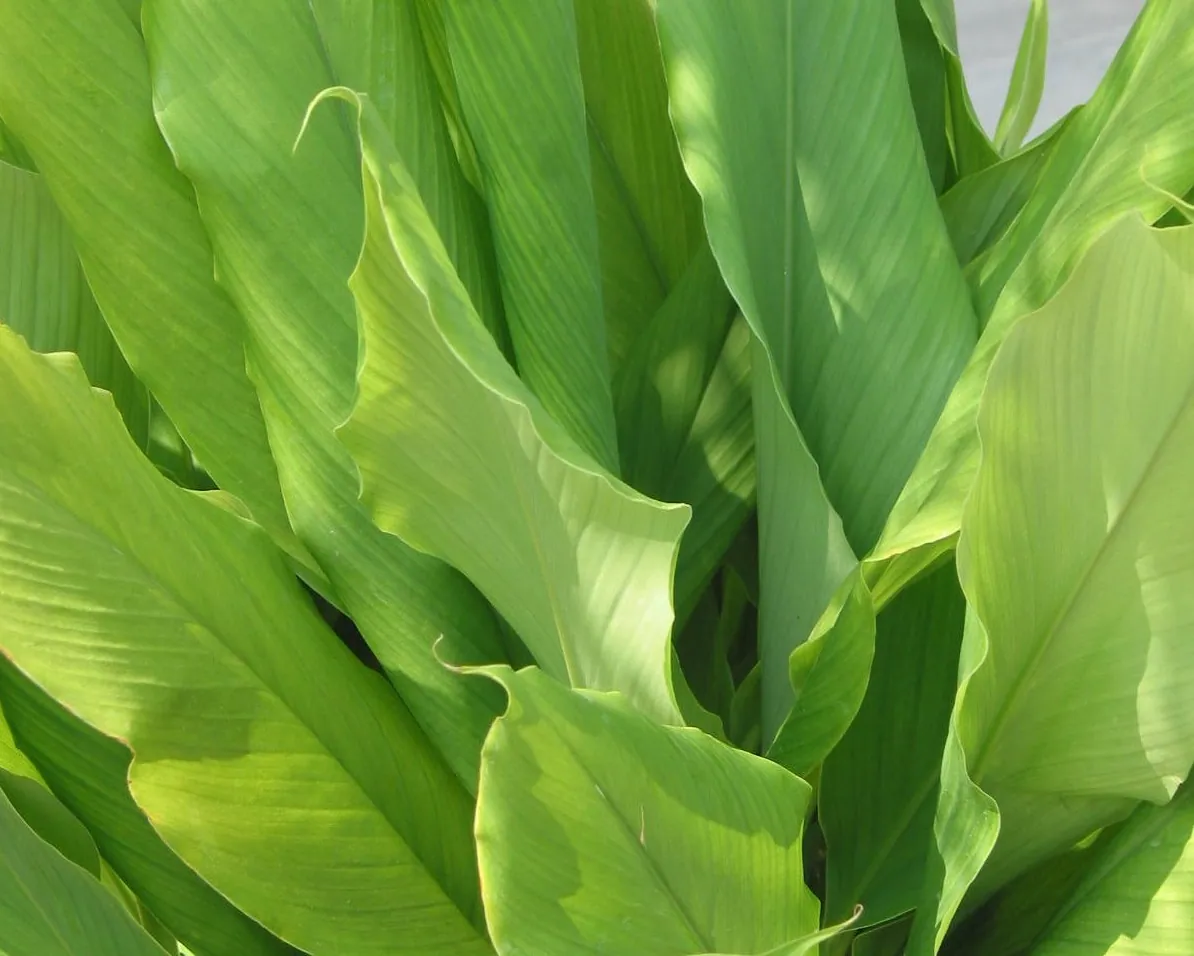
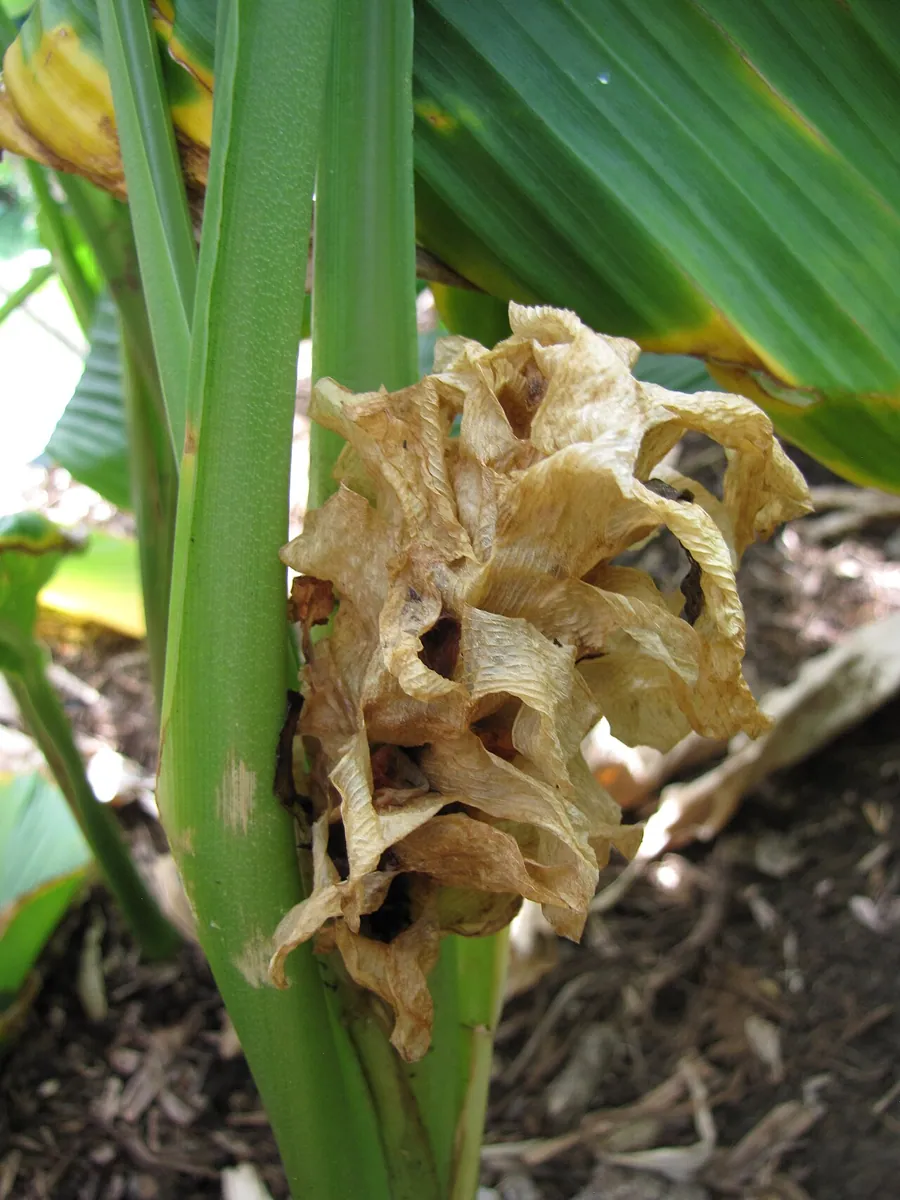
Plant rhizome pieces in May–June in loose, rich soil in partial shade; harvest after 8–9 months when the leaves dry. It grows well in pots too.
Questions people ask
Is raw turmeric better than powder?
Fresh turmeric is milder and juicier; dry powder is stronger and keeps longer. Both are used; the vaidya chooses by purpose.
Why take turmeric with milk or pepper?
Fat and pepper help the body absorb curcumin, which is how the texts and home practice already use it.
This page is general information from classical Ayurvedic texts and published research. It is not a prescription. Herbs act differently in different people; take any herb only after a qualified vaidya examines you, and do not stop prescribed medicines.