
Gunja
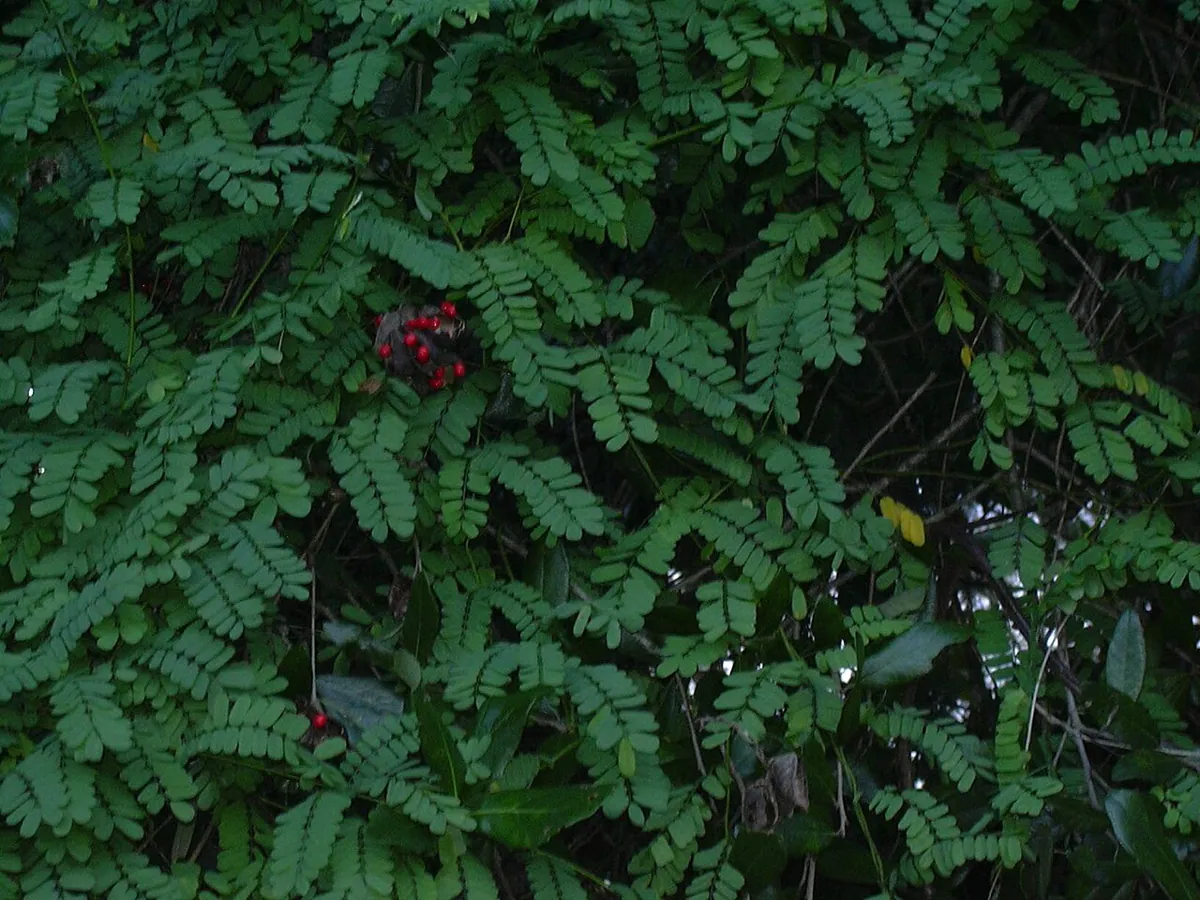
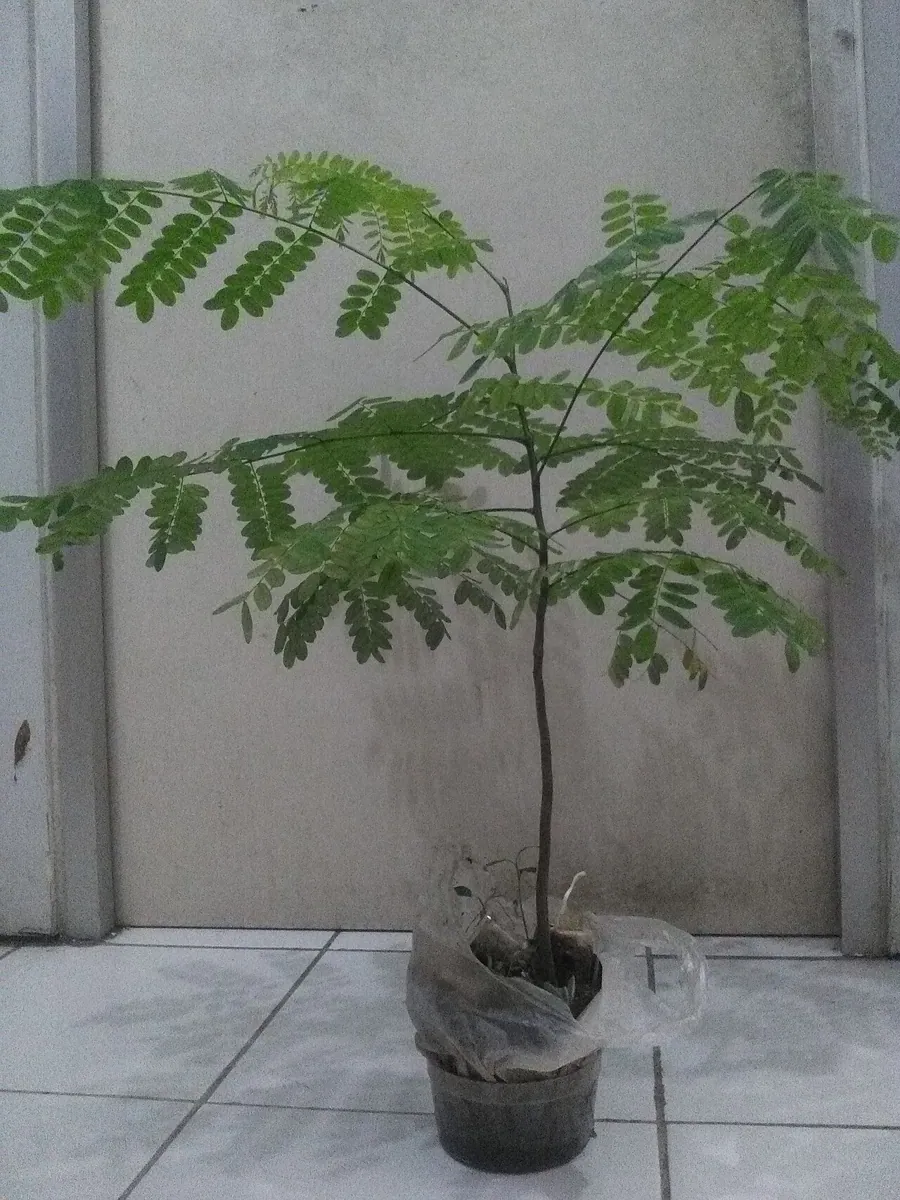
Gunja (rosary pea) seeds are highly poisonous; Ayurveda uses them only after purification and mostly externally, for hair and skin.
About Gunja
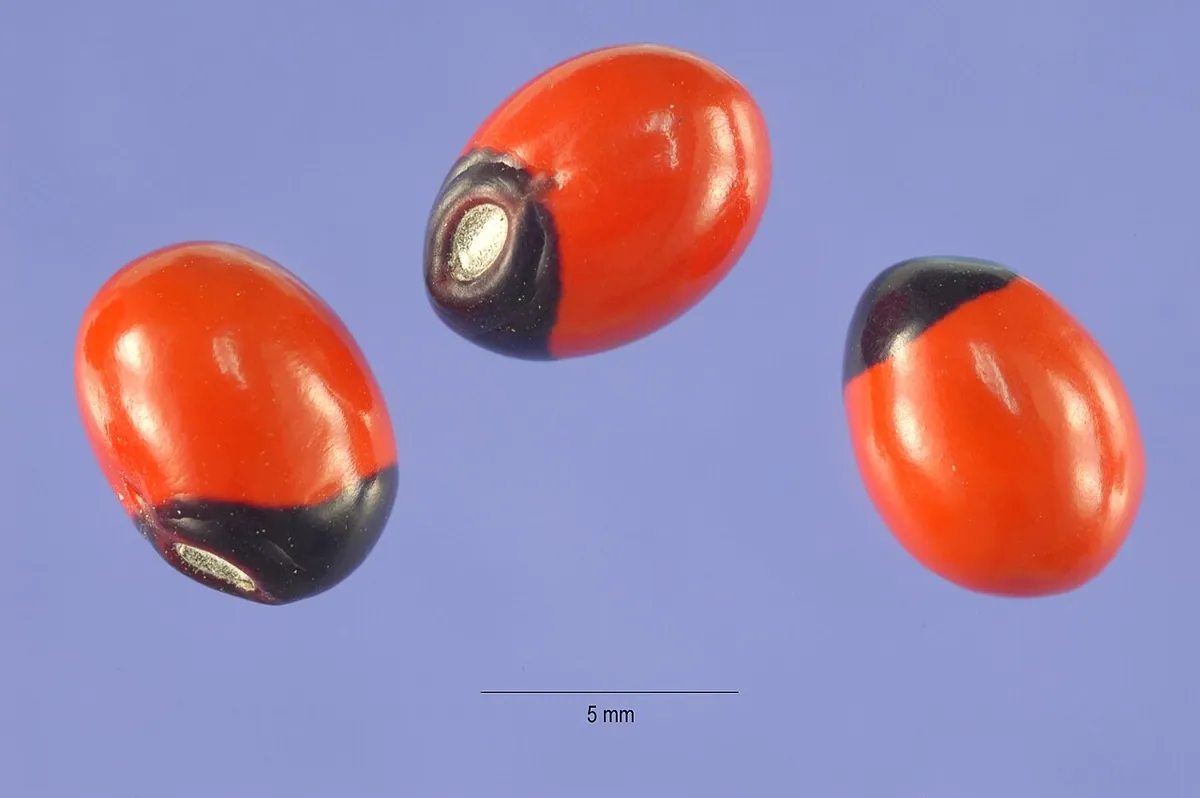
Gunja seeds are bright red with a black spot, once used as jewellers' weights (ratti). They contain abrin, a deadly toxin.
Shloka from Bhavaprakasha Nighantu
गुञ्जाद्वयं तु केश्यं स्याद्वातपित्तज्वरापहम्। मुखशोषभ्रमश्वासतृष्णामदविनाशनम्॥
guñjādvayaṃ tu keśyaṃ syādvātapittajvarāpaham| mukhaśoṣabhramaśvāsatṛṣṇāmadavināśanam||
Meaning: Both Gunjas are good for hair and remove Vata-Pitta fever, dryness of the mouth, giddiness, breathlessness, thirst and intoxication.
Bhavaprakasha Nighantu
In the classical texts
- Bhavaprakasha NighantuListed among Upavisha (semi-poisons).
- Classical practiceGunjadi taila for hair fall (external).
Synonyms (paryaya)
रक्तिका,काकणन्ती,रत्ती,घुंघची
raktikā,kākaṇantī,rattī,ghuṃghacī
Classical indications
कृमि, व्रण, कुष्ठ, इन्द्रलुप्तहर, गर्भरोधक
kṛmi, vraṇa, kuṣṭha, indraluptahara, garbharodhaka
Effect on the three doshas
How vaidyas use it in practice
- Gunjadi taila externally for alopecia.
- Purified seed only by experienced vaidyas.
Simple home uses
- Never swallow or chew Gunja seeds; keep away from children.
For minor complaints only. If a problem lasts more than a few days or is severe, see a doctor.
Well-known formulations
गुन्जाभद्रचूर्ण
gunjābhadracūrṇa
What science says
Seeds contain abrin, one of the most toxic plant proteins.
Safety and cautions
A chewed seed can be fatal.
Who should not take it
- Any internal use without prescription
- Children
- Pregnancy
How to identify it, and common adulterants
Glossy red seeds with a black spot.
Growing it at home
Do not grow near children.
Questions people ask
Are ratti seeds poisonous?
Yes, extremely if chewed.
This page is general information from classical Ayurvedic texts and published research. It is not a prescription. Herbs act differently in different people; take any herb only after a qualified vaidya examines you, and do not stop prescribed medicines.