
Guggulu
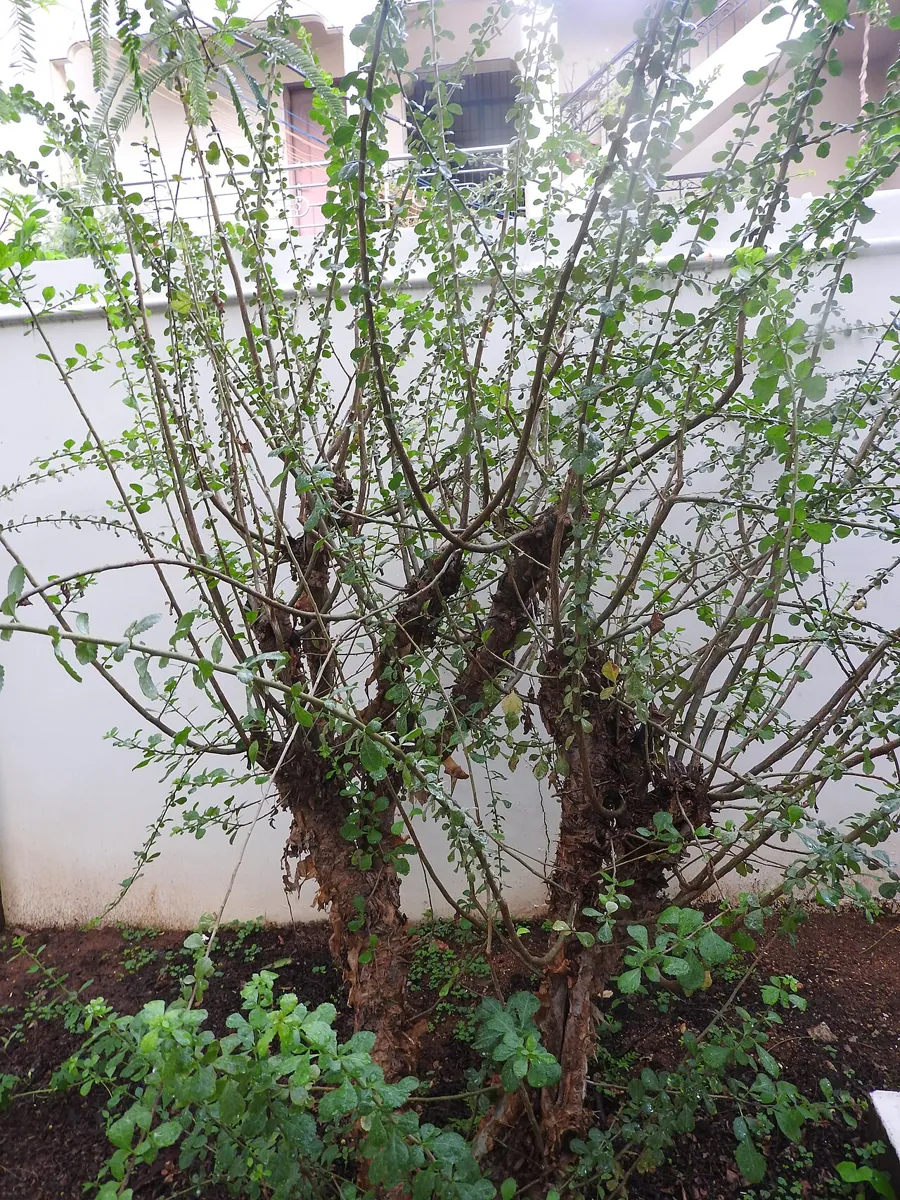
Guggulu is the resin that underpins many Ayurvedic formulas for joints, obesity, cholesterol, thyroid swelling, skin and nerve pain.
About Guggulu
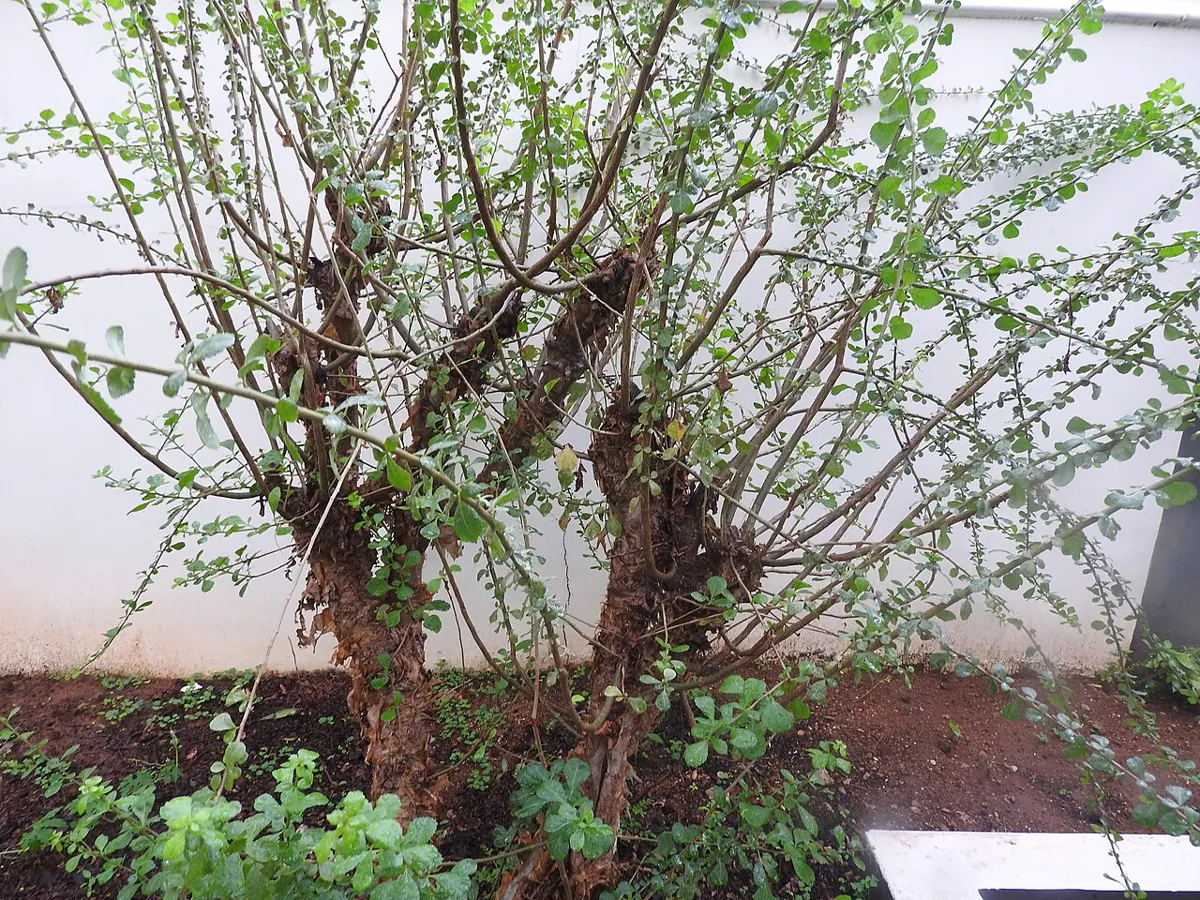
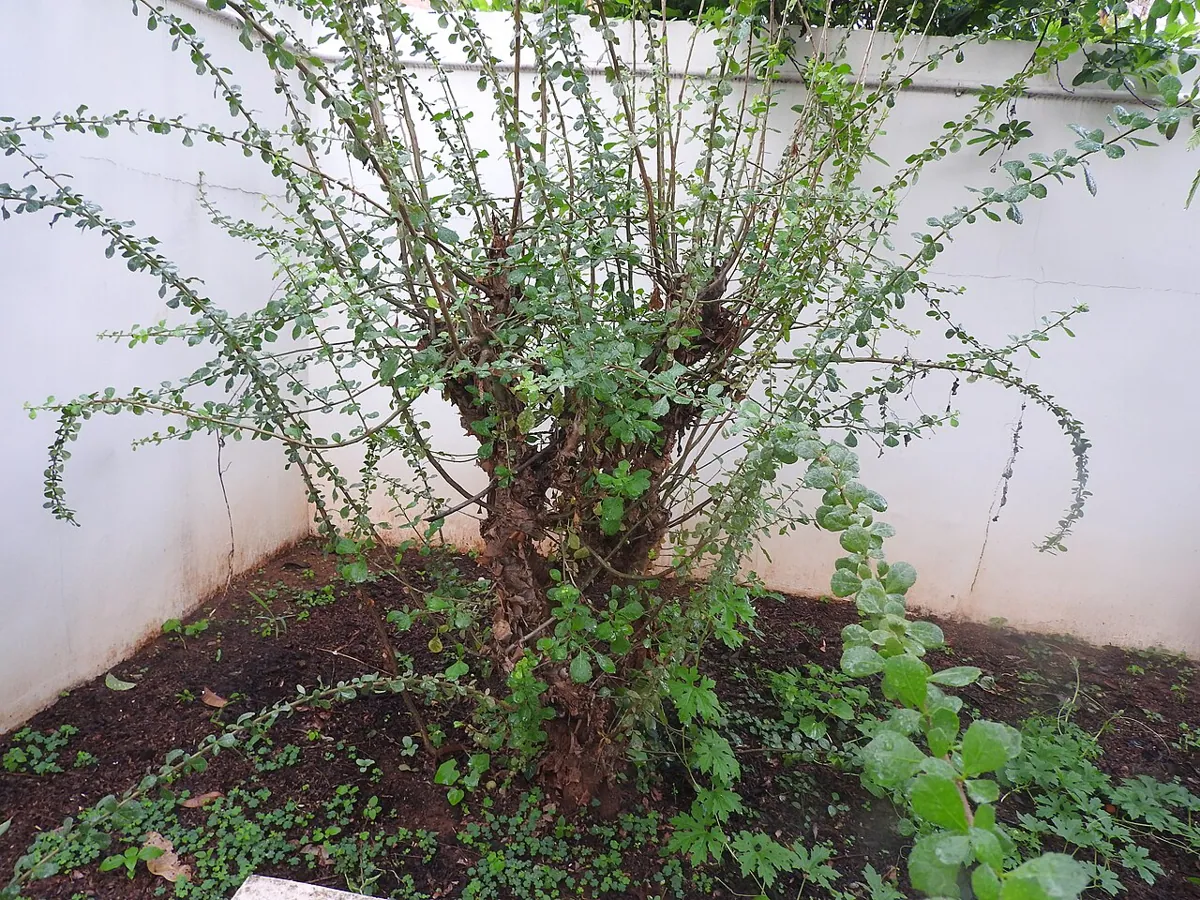
Guggulu is the gum-resin that oozes from cuts in the bark of a small thorny tree of the dry regions of Rajasthan, Gujarat and Madhya Pradesh. The tree is now endangered, so sustainable sourcing matters. Raw resin is always purified (shodhana) before use.
Shloka from Bhavaprakasha Nighantu
गुग्गुलुर्विशदस्तिक्तो वीर्योष्णः पित्तलः सरः। कषायः कटुकः पाके कटू रूक्षो लघुः परः॥
guggulurviśadastikto vīryoṣṇaḥ pittalaḥ saraḥ| kaṣāyaḥ kaṭukaḥ pāke kaṭū rūkṣo laghuḥ paraḥ||
भग्नसन्धानकृद्वृष्यः सूक्ष्मः स्वर्यो रसायनः। दीपनः पिच्छिलो बल्यः कफवातव्रणापचीः॥
bhagnasandhānakṛdvṛṣyaḥ sūkṣmaḥ svaryo rasāyanaḥ| dīpanaḥ picchilo balyaḥ kaphavātavraṇāpacīḥ||
मेदोमेहाश्मवातांश्च क्लेदकुष्ठाममारुतान्। पिडकाग्रन्थिशोथार्शोगण्डमालाकृमीञ्जयेत्॥
medomehāśmavātāṃśca kledakuṣṭhāmamārutān| piḍakāgranthiśothārśogaṇḍamālākṛmīñjayet||
Meaning: Guggulu is clearing, bitter, hot in potency, increases Pitta and is laxative. It is astringent, pungent after digestion, dry and very light. It unites fractures, nourishes, is subtle, good for the voice, a rasayana, kindles digestion, is slimy and strength-giving. It overcomes Kapha, Vata, wounds, glandular swellings, fat, prameha, stones, excess moisture, skin disease, ama-vata, boils, cysts, swellings, piles, goitre and worms.
Bhavaprakasha Nighantu, Karpuradi varga
In the classical texts
- Charaka Samhita (Sutrasthana 25)Named the best among substances for fat and Vata disorders (medo-anila).
- Sushruta Samhita (Chikitsasthana)Guggulu is advised in Medoroga (obesity) and Vatavyadhi.
- Bhavaprakasha Nighantu (Karpuradi varga)Describes new and old Guggulu: new resin is nourishing, old resin is reducing (lekhana).
- Sharangadhara SamhitaLists the major Guggulu formulas: Yogaraja, Kaishora, Triphala, Gokshuradi and Kanchanara Guggulu.
Synonyms (paryaya)
देवधूप,माहिषाक्ष,पंलकषा,पुर
devadhūpa,māhiṣākṣa,paṃlakaṣā,pura
Classical indications
त्रिदोषहर, रसायन, मेह, कास, प्रमेह, कामला, कुष्ठ, क्रिमि, हृद्रोग, वातरक्तहर
tridoṣahara, rasāyana, meha, kāsa, prameha, kāmalā, kuṣṭha, krimi, hṛdroga, vātaraktahara
Effect on the three doshas
How vaidyas use it in practice
- Yogaraja Guggulu for joint pain and stiffness of a Vata type.
- Kaishora Guggulu for gout-type joint pain (Vatarakta) and skin disease.
- Kanchanara Guggulu for thyroid swelling, lymph nodes and cysts, with the doctor's care.
- Triphala Guggulu for weight management, piles and fistula care.
- Lakshadi Guggulu for fracture healing.
Simple home uses
- Not for home preparation. Guggulu is taken only as purified, prepared formulas.
For minor complaints only. If a problem lasts more than a few days or is severe, see a doctor.
Well-known formulations
चन्द्रप्रभा वटी, योगराज गुग्गुलू
candraprabhā vaṭī, yogarāja guggulū
What science says
The resin contains guggulsterones (Z and E), which act on bile-acid receptors in the liver, along with myrrhanols and essential oil. Early Indian studies showed lower cholesterol; later Western trials gave mixed results. Anti-inflammatory effects in arthritis are supported by small trials.
Safety and cautions
Use only purified (shodhita) Guggulu. It can cause stomach upset or skin rash in some people. Avoid in pregnancy, in active bleeding, and with thyroid medicines, blood thinners or statins unless your doctor agrees. Long courses should be supervised.
Who should not take it
- Pregnancy
- Active bleeding
- With thyroid medicines, blood thinners or statins, without the doctor's advice
- Skin rash after taking it (stop and report)
How to identify it, and common adulterants
Raw Guggulu is a sticky, yellowish-brown to dark resin with a balsamic smell; it softens in the hand and forms a milky emulsion in water. Adulteration with other gums and resins is common.
Growing it at home
An endangered desert shrub of Rajasthan and Gujarat, protected for conservation. Not for home growing.
Questions people ask
What is the difference between Yogaraja and Kaishora Guggulu?
Yogaraja is mainly for Vata-type joint pain and stiffness; Kaishora contains Guduchi and Triphala and is used for Pitta-Rakta conditions such as gout and skin disease.
Why is old Guggulu different?
Bhavaprakasha says fresh resin is nourishing while old resin is reducing, which is why the vaidya chooses carefully.
This page is general information from classical Ayurvedic texts and published research. It is not a prescription. Herbs act differently in different people; take any herb only after a qualified vaidya examines you, and do not stop prescribed medicines.