
Guduchi
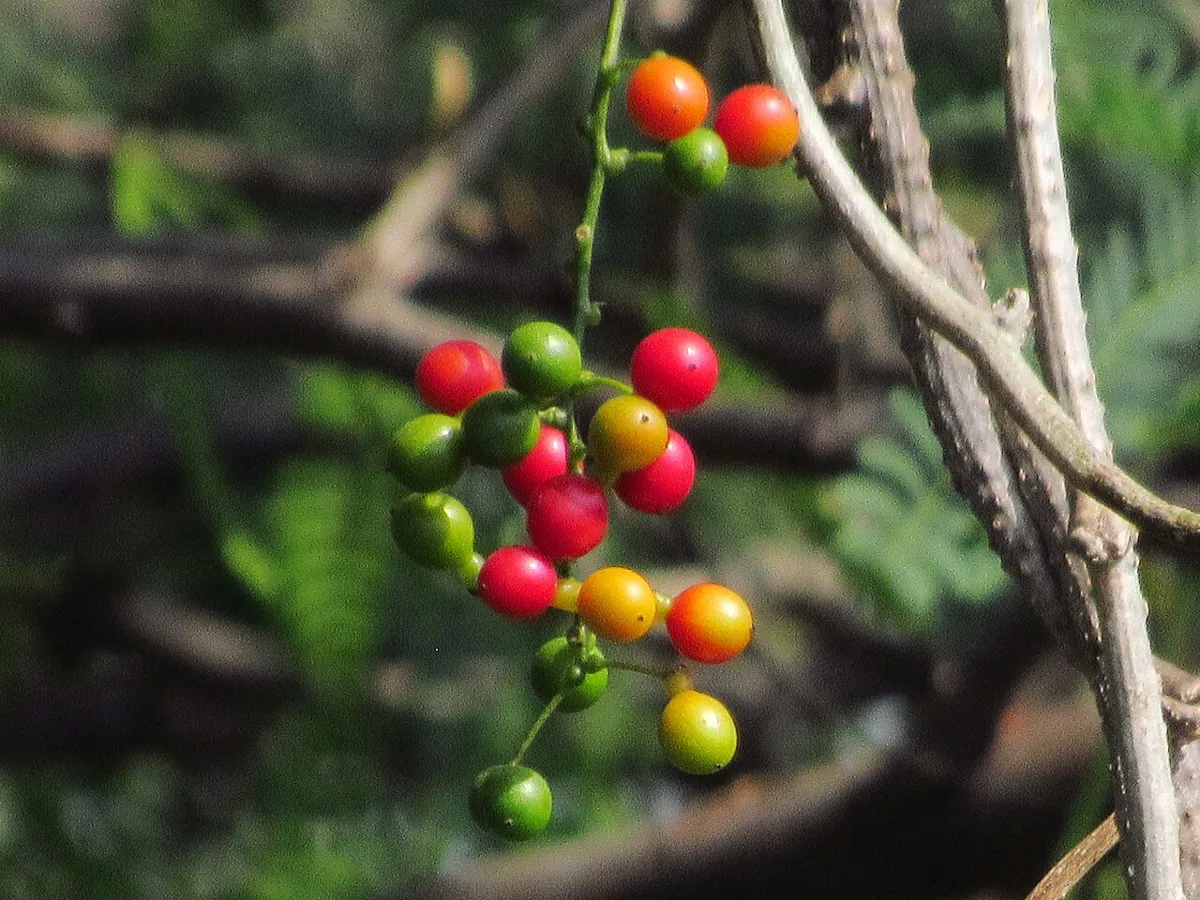
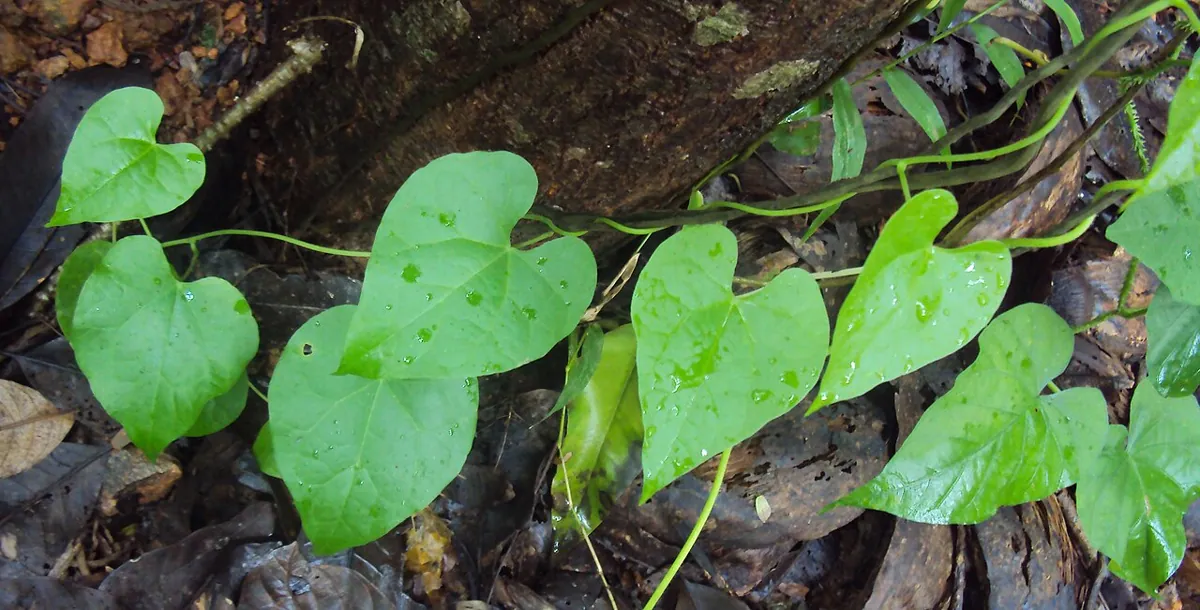
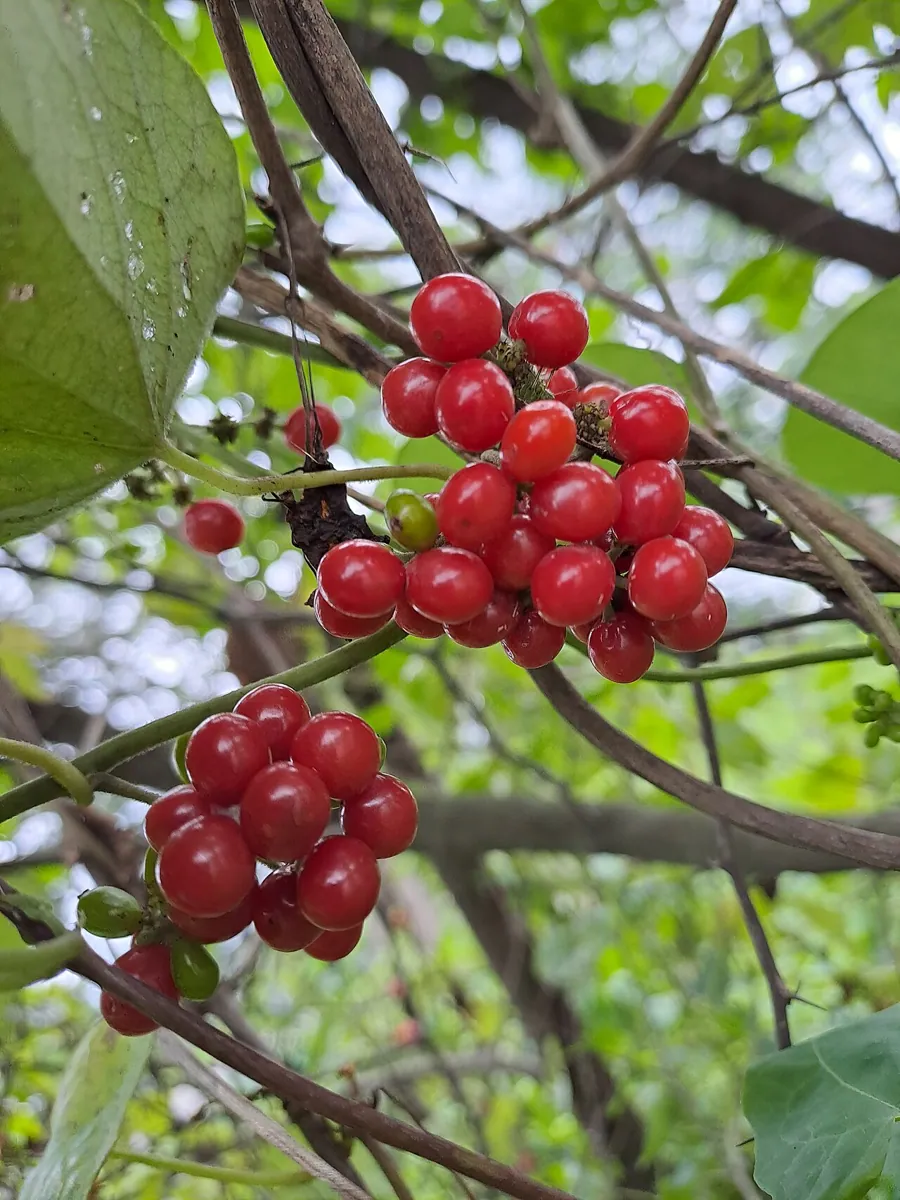
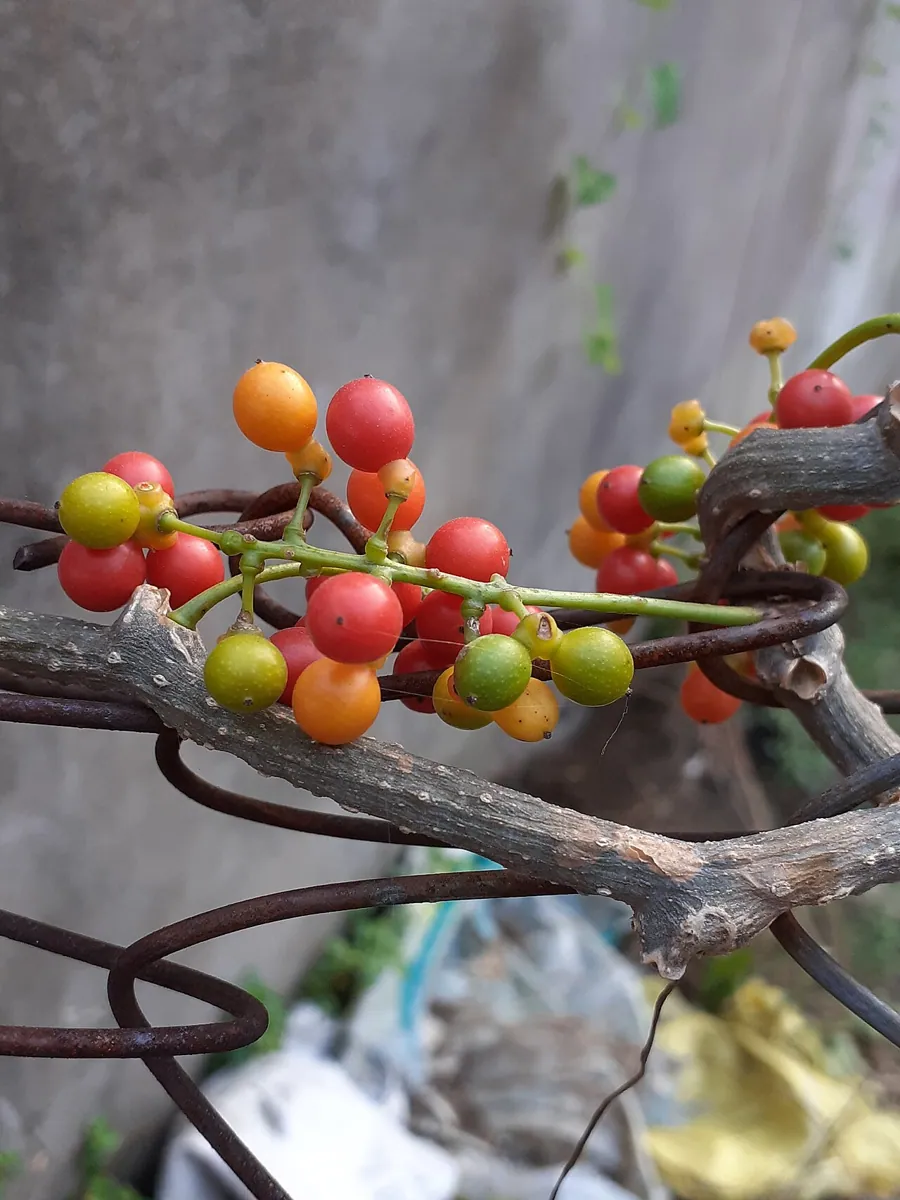
Guduchi (giloy), called Amrita in the texts, is a climbing herb used for fever, immunity, digestion and as a gentle tridosha-balancing rasayana.
About Guduchi
Guduchi is a large climber with heart-shaped leaves that grows over trees and hedges all over India. The stem is the part used. A plant growing on a Neem tree is traditionally preferred and is called Neem-giloy. Bhavaprakasha opens its Guduchyadi varga with this herb and calls it Amrita, the nectar that does not let one die.
Shloka from Bhavaprakasha Nighantu
गुडूची कटुका तिक्ता स्वादुपाका रसायनी। संग्राहिणी कषायोष्णा लघ्वी बल्याऽग्निदीपनी॥
guḍūcī kaṭukā tiktā svādupākā rasāyanī| saṃgrāhiṇī kaṣāyoṣṇā laghvī balyā'gnidīpanī||
दोषत्रयामतृड्दाहमेहकासांश्च पाण्डुताम्। कामलाकुष्ठवातास्रज्वरक्रिमिवमीन्हरेत्॥
doṣatrayāmatṛḍdāhamehakāsāṃśca pāṇḍutām| kāmalākuṣṭhavātāsrajvarakrimivamīnharet||
Meaning: Guduchi is pungent and bitter, sweet after digestion, a rasayana; it binds the stool, is astringent, hot, light, strength-giving and kindles digestion. It removes disorders of all three doshas, ama, thirst, burning, prameha, cough, anaemia, jaundice, skin disease, vatarakta, fever, worms and vomiting.
Bhavaprakasha Nighantu, Guduchyadi varga
In the classical texts
- Charaka Samhita (Sutrasthana 4)Listed in the Vayahsthapana, Dahaprashamana, Trishnanigrahana, Triptighna and Stanyashodhana mahakashayas.
- Charaka Samhita (Chikitsasthana 1)Guduchi juice is one of the four Medhya rasayanas, herbs that support intellect and memory.
- Bhavaprakasha Nighantu (Guduchyadi varga)Described as tridoshahara, sangrahi (binding), balya, agnideepana and useful in jvara, daha, trishna, prameha, kamala and vatarakta.
- ChakradattaGuduchi is central to many fever formulas and to Amritadi kwatha and Guduchi ghrita.
Synonyms (paryaya)
मधुपर्णी,अमृता,छिन्नरुहा,वत्सादनी,तन्त्रिका,कुण्डलनी,चक्रलक्षणिका,गिलोय
madhuparṇī,amṛtā,chinnaruhā,vatsādanī,tantrikā,kuṇḍalanī,cakralakṣaṇikā,giloya
Classical indications
भग्नसंधान, वृष्य, स्वर्य, रसायन, आमवातग्रन्थिहर, कफव्रण अपचीहर, पुराण मेदोहर
bhagnasaṃdhāna, vṛṣya, svarya, rasāyana, āmavātagranthihara, kaphavraṇa apacīhara, purāṇa medohara
Effect on the three doshas
How vaidyas use it in practice
- Fresh stem juice or decoction in seasonal and recurring fevers, as advised by the vaidya.
- Guduchi satva (the starch extract) for burning sensations, acidity and excess thirst.
- With ghee for Pitta, with jaggery for constipation-prone Vata, and with honey for Kapha, which is the classic three-dosha use of one herb.
- In gout-type joint pain (Vatarakta), Guduchi with Kaishora Guggulu is a common choice.
- As part of Giloy-Tulsi decoctions during the monsoon for general resistance.
Simple home uses
- A finger-length piece of fresh stem, crushed and boiled in two cups of water down to one, for seasonal fever, for 3–5 days only.
- Giloy with Tulsi leaves as a monsoon kadha.
For minor complaints only. If a problem lasts more than a few days or is severe, see a doctor.
Well-known formulations
अमृतारिष्ट, गुडूच्यादि-चूर्ण-सत्व-क्वाथ-लौह-तैल
amṛtāriṣṭa, guḍūcyādi-cūrṇa-satva-kvātha-lauha-taila
What science says
The stem contains diterpenoid lactones (tinosporide, columbin), glycosides (cordifolioside, syringin), alkaloids such as berberine and magnoflorine, and polysaccharides. Laboratory studies show effects on immune cells and inflammation, and small clinical studies have looked at fever and metabolic conditions. In 2020–21 a few case reports linked giloy products to liver injury. Experts noted that mis-identified plants and long, unsupervised self-use may have played a part, so correct identification and supervision matter.
Safety and cautions
Use authenticated Tinospora cordifolia from a reliable source and only for the period your doctor advises. People with autoimmune disease, those on diabetes medicines (it may lower sugar), and pregnant women should consult before use.
Who should not take it
- Autoimmune disease, unless the doctor agrees
- Those on diabetes medicines without sugar monitoring
- Pregnancy
- Long unsupervised use
How to identify it, and common adulterants
Guduchi stem is grey-green with a papery outer skin and warts; the cut surface shows a wheel-like pattern. Tinospora crispa, a look-alike, has very warty stems and is not the same medicine. Use stems from identified plants.
Growing it at home
Plant a pencil-thick stem cutting at the base of a Neem or other tree in the monsoon. It climbs on its own and needs little care.
Questions people ask
Is giloy safe for the liver?
Correctly identified Guduchi used under supervision has a long safety record. A few case reports in recent years make it wise not to self-medicate for long periods.
Which part of Guduchi is used?
The stem, as fresh juice, decoction, powder or satva (starch).
This page is general information from classical Ayurvedic texts and published research. It is not a prescription. Herbs act differently in different people; take any herb only after a qualified vaidya examines you, and do not stop prescribed medicines.