
Gokshura
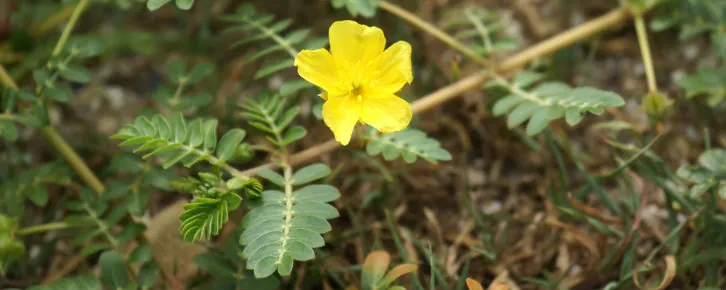
Gokshura (gokhru) is a cooling, sweet, strength-giving herb used in Ayurveda for the urinary tract, kidney stones, and male and female reproductive health.
About Gokshura
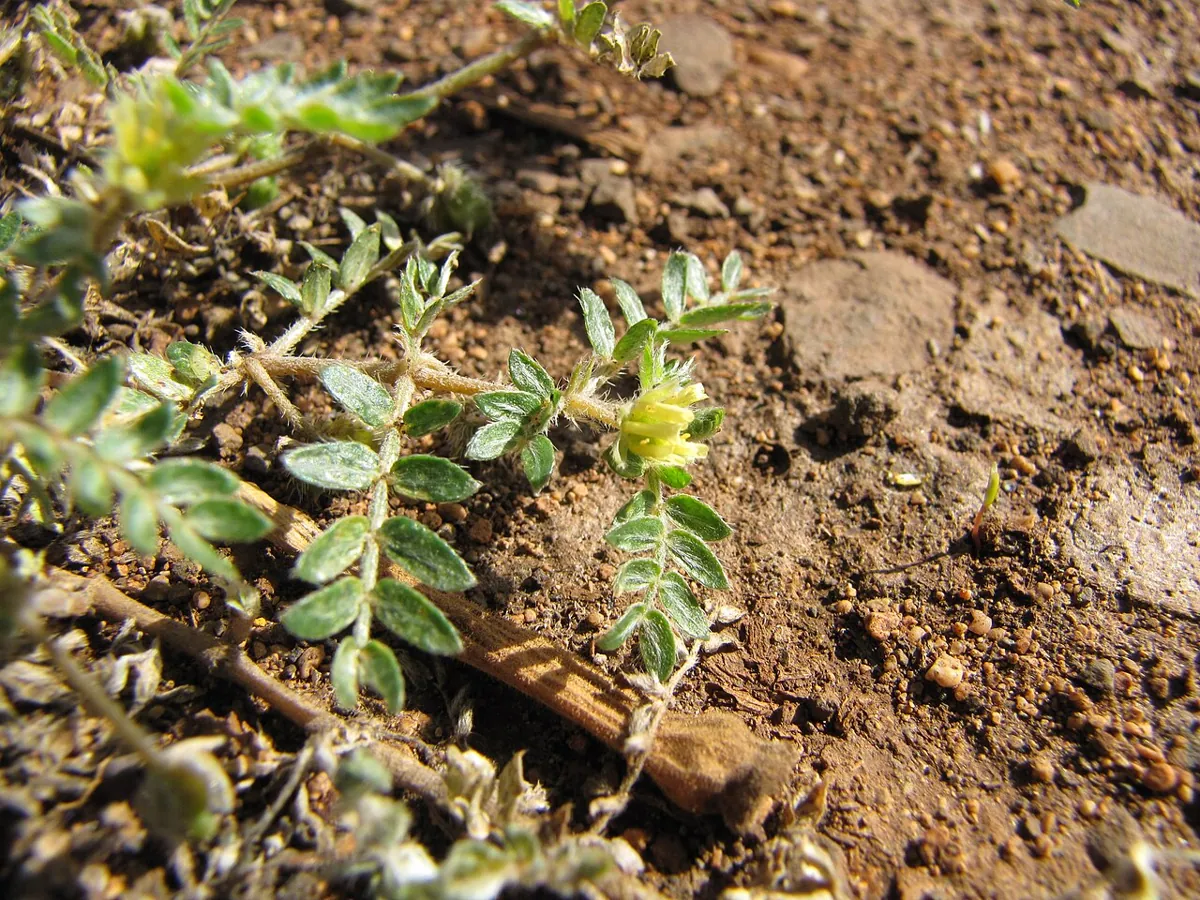
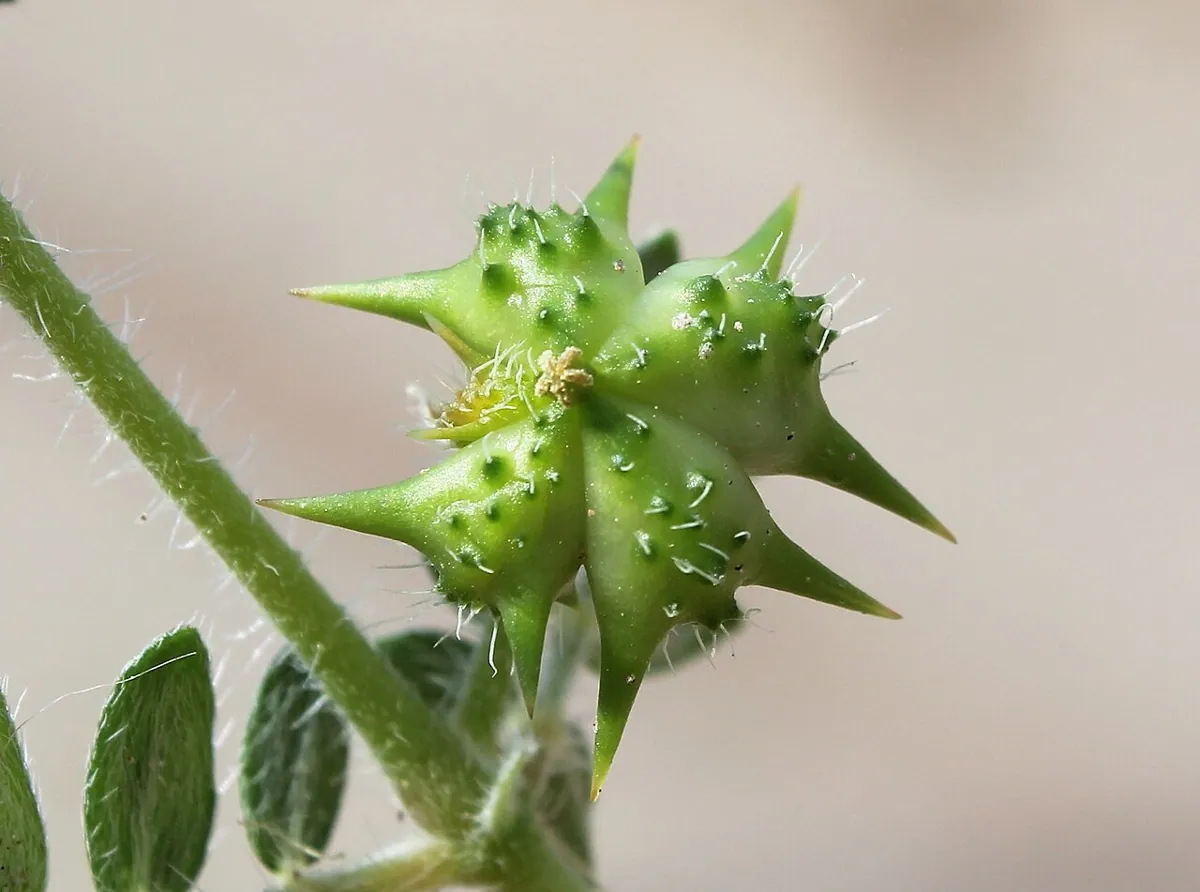
Gokshura is a low, spreading herb with yellow flowers and hard spiny fruits that grows in dry, sandy soil all over India. The fruit, shaped like a cow's hoof, gives the name. It is one of the ten roots of Dashamula (in the smaller group) and a central herb for the bladder (basti).
Shloka from Bhavaprakasha Nighantu
गोक्षुरः शीतलः स्वादुर्बलकृद्बस्तिशोधनः। मधुरो दीपनो वृष्यः पुष्टिदश्चाश्मरीहरः॥
gokṣuraḥ śītalaḥ svādurbalakṛdbastiśodhanaḥ| madhuro dīpano vṛṣyaḥ puṣṭidaścāśmarīharaḥ||
प्रमेहश्वासकासार्शःकृच्छ्रहृद्रोगवातनुत्॥
pramehaśvāsakāsārśaḥkṛcchrahṛdrogavātanut||
Meaning: Gokshura is cold and sweet, gives strength and cleanses the bladder. It kindles digestion, nourishes reproductive tissue, gives nourishment and removes urinary stones. It removes prameha, breathlessness, cough, piles, painful urination, heart disease and Vata.
Bhavaprakasha Nighantu, Guduchyadi varga
In the classical texts
- Charaka Samhita (Sutrasthana 4)Included in the Mutravirechaniya (diuretic) and Shvayathuhara (anti-swelling) mahakashayas, and in Laghu Panchamula.
- Charaka Samhita (Sutrasthana 25)Named the best among herbs for painful urination and Vata disorders of the urinary tract.
- Bhavaprakasha Nighantu (Guduchyadi varga)Described with the shloka above as bastishodhana and ashmarihara.
Synonyms (paryaya)
स्वादुकण्टक,श्वदंष्ट्रा,त्रिकण्टक,चणद्रुम,वनश्रृंगाट,इक्षुगन्धिका,गोखरु
svādukaṇṭaka,śvadaṃṣṭrā,trikaṇṭaka,caṇadruma,vanaśrṛṃgāṭa,ikṣugandhikā,gokharu
Classical indications
बस्तिशोधन, वृष्य, अश्मरीहर, प्रमेह, श्वास, कास, अर्श, मूत्रकृच्छ्र, हृद्रोग, स्वप्नदोष वातहर
bastiśodhana, vṛṣya, aśmarīhara, prameha, śvāsa, kāsa, arśa, mūtrakṛcchra, hṛdroga, svapnadoṣa vātahara
Effect on the three doshas
How vaidyas use it in practice
- Gokshuradi Guggulu for urinary discomfort and prostate-related complaints, under guidance.
- Gokshura decoction or powder in burning urination and as support in kidney stones.
- With Ashvagandha and Shatavari for strength and male reproductive health.
- In Dashamula preparations for Vata disorders.
- With milk at night as a gentle tonic in elderly people, as advised.
Simple home uses
- One teaspoon of Gokshura powder boiled in water for burning urination, alongside plenty of water, if the vaidya agrees.
For minor complaints only. If a problem lasts more than a few days or is severe, see a doctor.
Well-known formulations
गोक्षुरादि-चूर्ण-अवलेह-गुग्गुलू-क्वाथ-दशमूलारिष्ट
gokṣurādi-cūrṇa-avaleha-guggulū-kvātha-daśamūlāriṣṭa
What science says
Tribulus contains steroidal saponins (protodioscin and others), flavonoids and alkaloids. It is widely sold as a sports and libido supplement; clinical evidence for testosterone increase is weak, while some small studies show benefit for sexual function. Diuretic and stone-preventing effects are seen mainly in laboratory studies.
Safety and cautions
Generally safe in usual doses. People with kidney disease, prostate problems, on diuretics, lithium or blood-pressure medicines, and pregnant women should use it only with their doctor's advice.
Who should not take it
- Kidney disease, without the nephrologist's advice
- On diuretics, lithium or blood-pressure medicines
- Pregnancy
How to identify it, and common adulterants
Gokshura fruits are hard, star-shaped, with five sections and sharp spines. Pedalium murex (Bada Gokhru) has larger, four-spined fruits and is a different herb.
Growing it at home
Grows wild in dry, sandy soil. It spreads easily and its spiny fruits hurt bare feet, so grow it away from paths.
Questions people ask
Does Gokshura dissolve kidney stones?
It is traditionally used to help pass and prevent stones, but large stones need medical evaluation. Use it under a doctor's care.
Is Gokshura only for men?
No. It is used for both men and women, especially for urinary and reproductive health.
This page is general information from classical Ayurvedic texts and published research. It is not a prescription. Herbs act differently in different people; take any herb only after a qualified vaidya examines you, and do not stop prescribed medicines.