
Gandhaprasarini
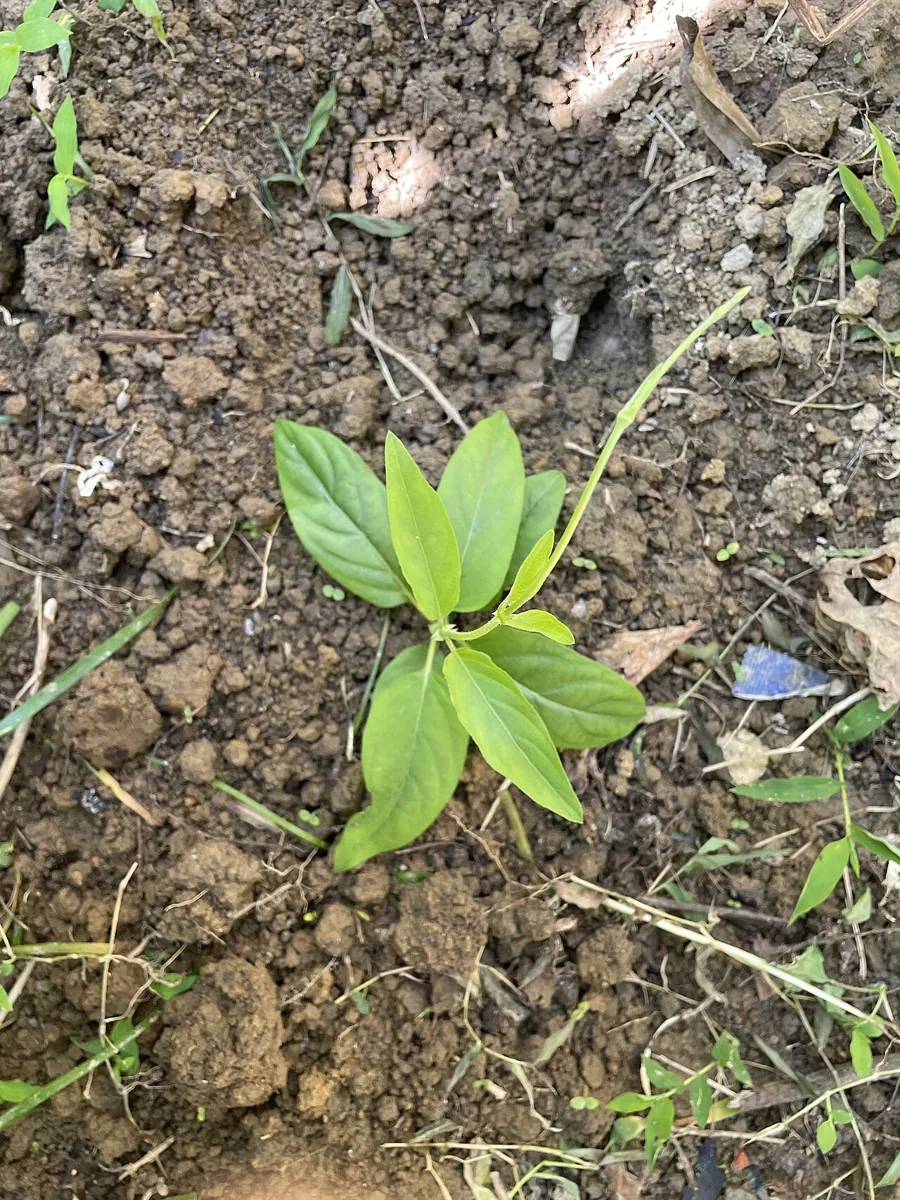
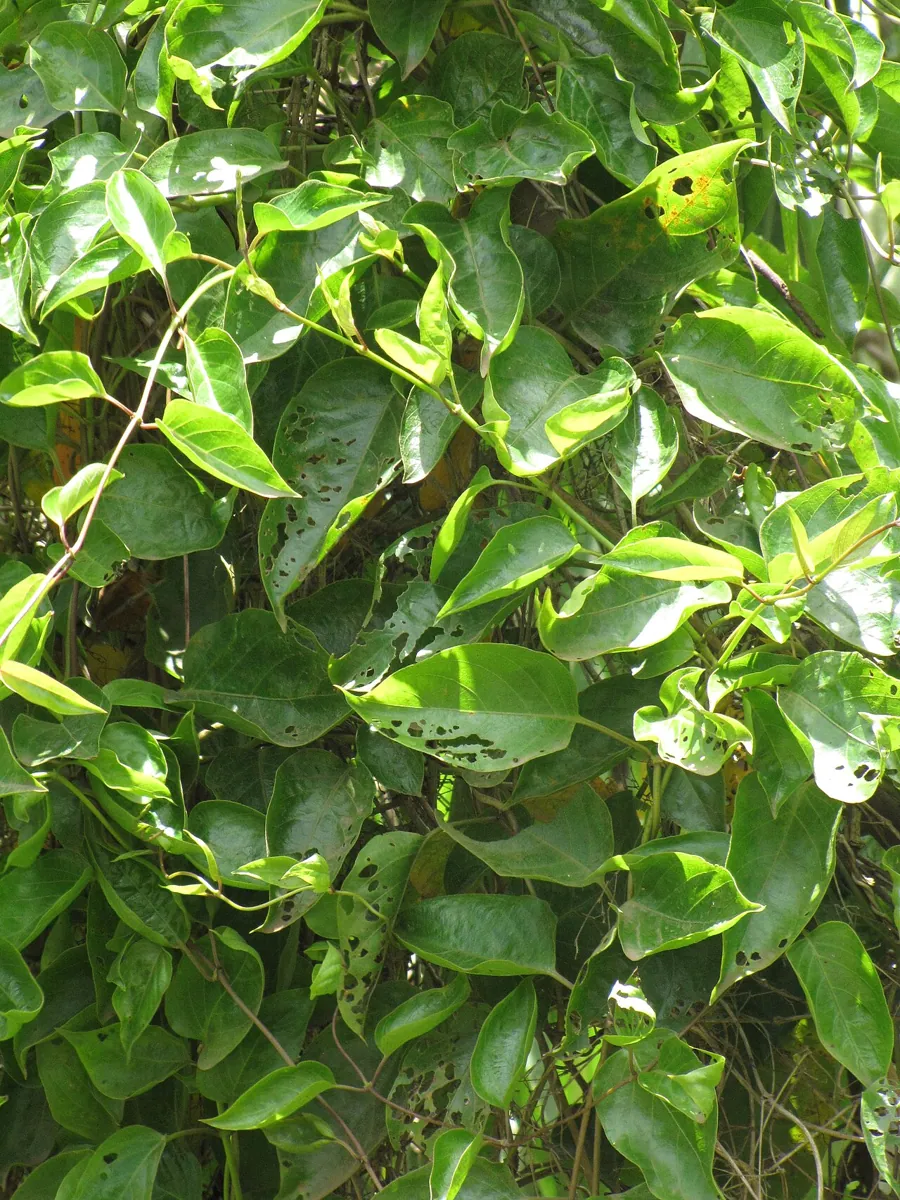
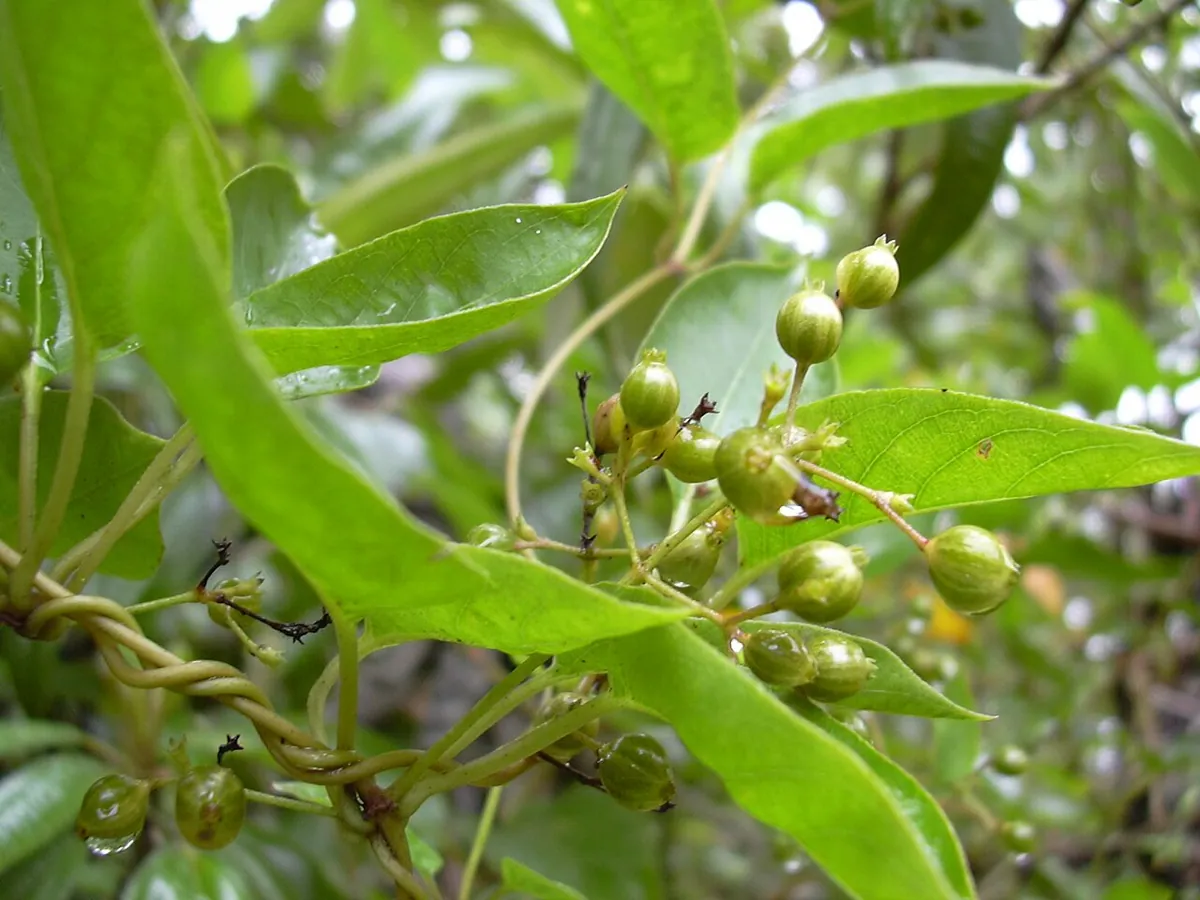
Gandhaprasarini is a foul-smelling creeper used in Ayurveda for Vata disorders, joint pain, paralysis and stiffness.
About Gandhaprasarini
Prasarini is a climbing plant whose leaves smell like rotten cabbage when crushed. Its oil (Prasarini taila) is used for nerve and joint conditions.
Shloka from Bhavaprakasha Nighantu
प्रसारिणी गुरुर्वृष्या बलसन्धानकृत्सरा। वीर्योष्णा वातहृत्तिक्ता वातरक्तकफापहा॥
prasāriṇī gururvṛṣyā balasandhānakṛtsarā| vīryoṣṇā vātahṛttiktā vātaraktakaphāpahā||
Meaning: Prasarini is heavy, aphrodisiac, gives strength and joins tissues, and is laxative. It is hot in potency, removes Vata, is bitter, and removes Vatarakta and Kapha.
Bhavaprakasha Nighantu
In the classical texts
- Bhavaprakasha NighantuDescribed with the shloka above.
Synonyms (paryaya)
पसरन
pasarana
Classical indications
आमवात, सन्धिवात, वातरक्त, उदरविकार, विबन्धहर
āmavāta, sandhivāta, vātarakta, udaravikāra, vibandhahara
Effect on the three doshas
How vaidyas use it in practice
- Prasarini taila in paralysis and frozen shoulder.
- Leaves as poultice on stiff joints.
Simple home uses
- Not usually a home remedy.
For minor complaints only. If a problem lasts more than a few days or is severe, see a doctor.
Well-known formulations
प्रसारिणी-तैल-लेह
prasāriṇī-taila-leha
What science says
Contains sulphur compounds (methyl mercaptan) and iridoids; anti-inflammatory effects.
Safety and cautions
Generally safe externally.
Who should not take it
- Pregnancy (internal)
How to identify it, and common adulterants
Climber with strong foul smell.
Growing it at home
Grows from cuttings.
Questions people ask
Why does it smell?
Sulphur compounds.
This page is general information from classical Ayurvedic texts and published research. It is not a prescription. Herbs act differently in different people; take any herb only after a qualified vaidya examines you, and do not stop prescribed medicines.