
Eranda
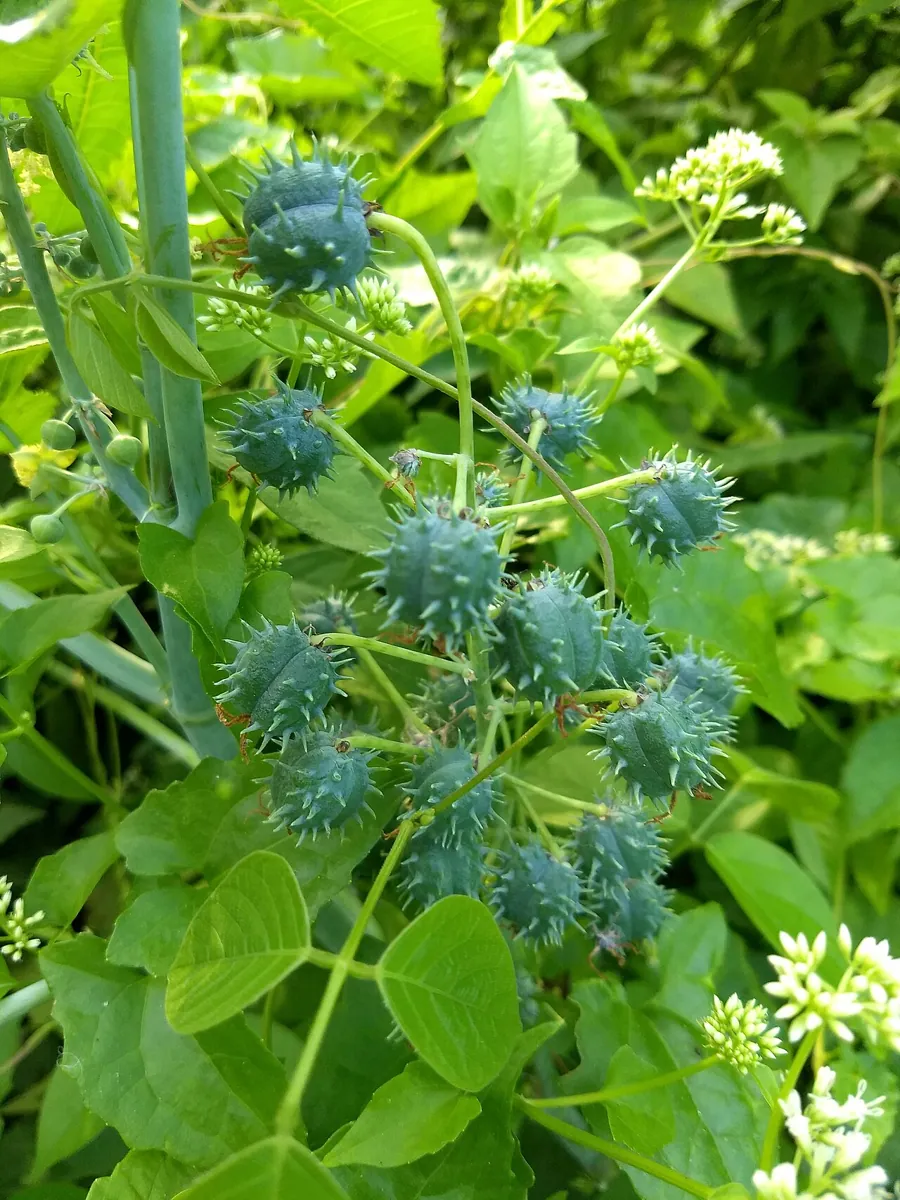
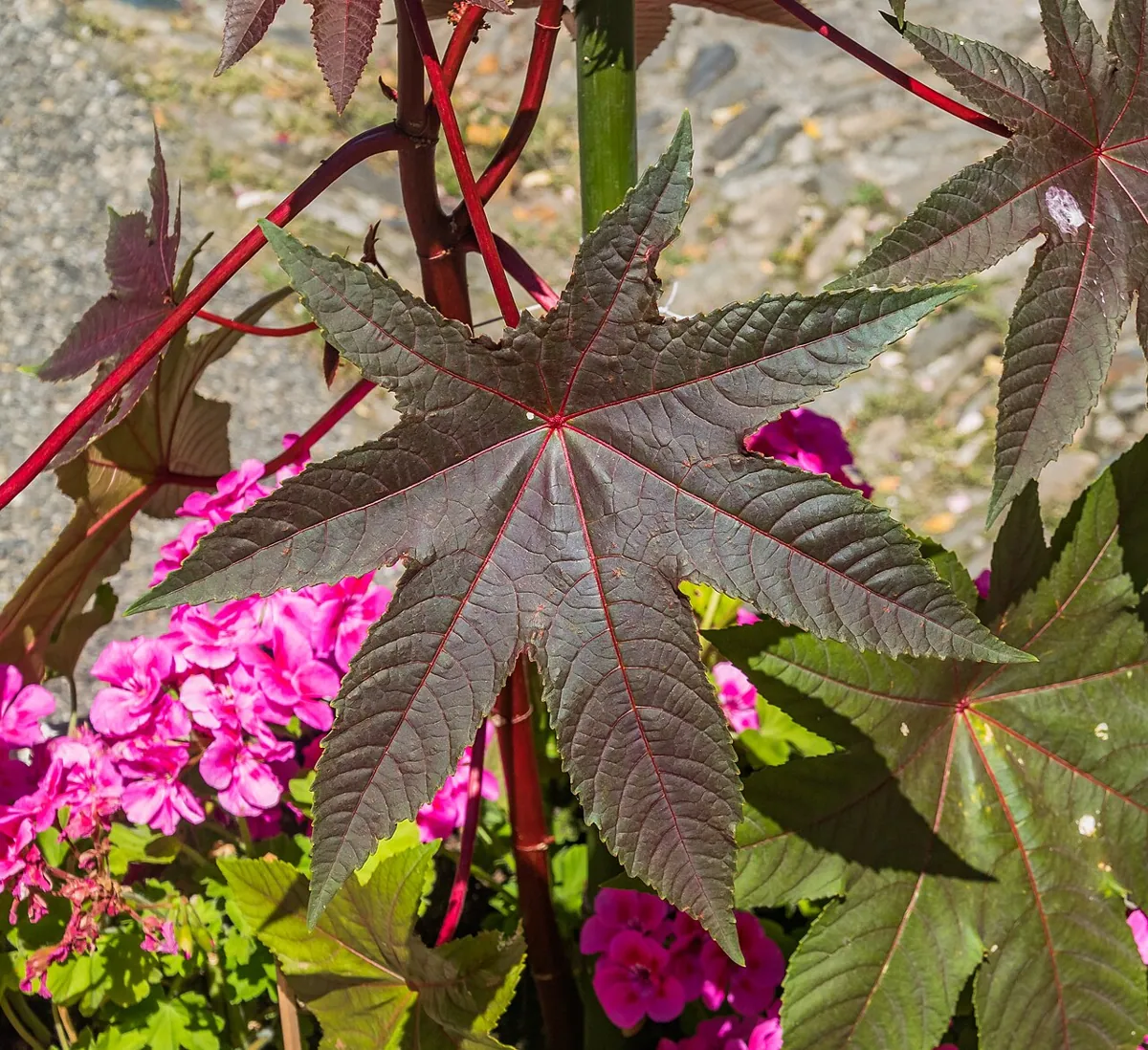
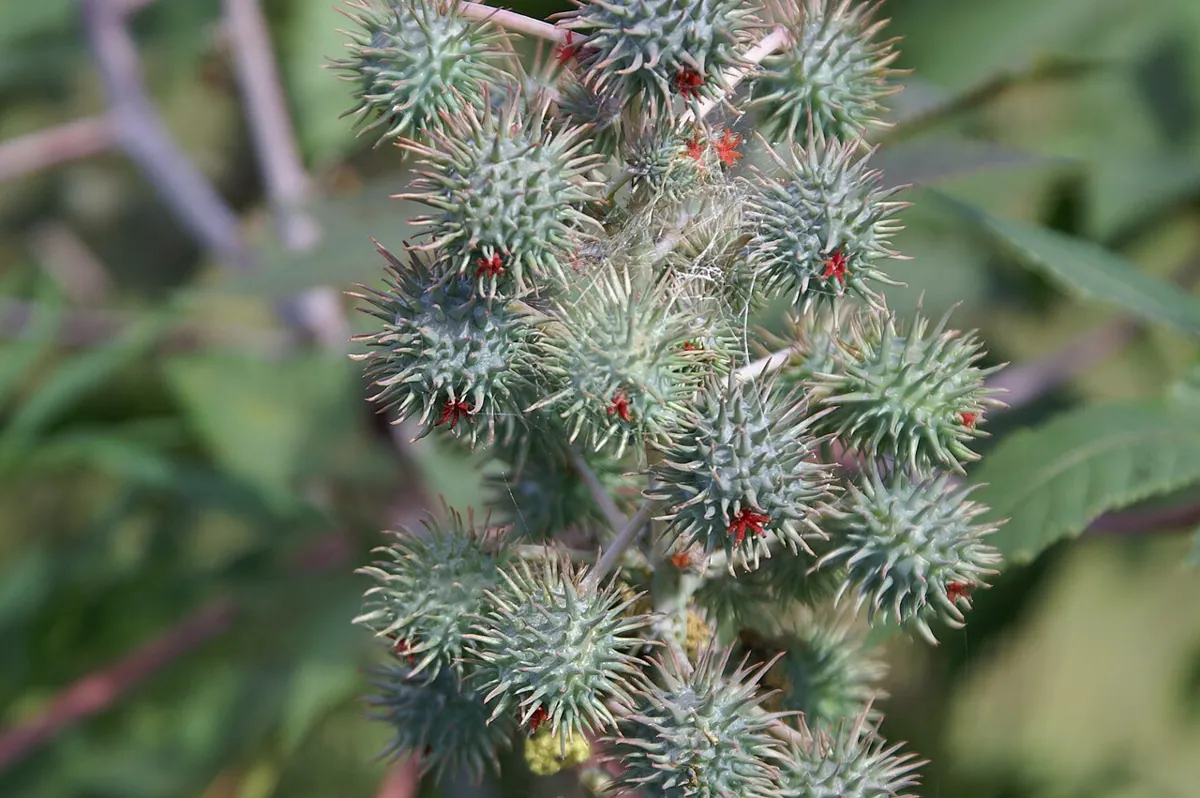
Eranda (castor) is Ayurveda's leading Vata-pacifying plant: its root for joint and back pain, and its oil as a gentle purgative.
About Eranda
Eranda is a fast-growing shrub with large palmate leaves, common on field edges across India. Its root is part of Dashamula-type preparations and its seed oil is one of the oldest purgatives. The seeds themselves are poisonous.
Shloka from Bhavaprakasha Nighantu
एरण्डयुग्मं मधुरमुष्णं गुरु विनाशयेत्। शूलशोथकटीबस्तिशिरःपीडोदरज्वरान्॥
eraṇḍayugmaṃ madhuramuṣṇaṃ guru vināśayet| śūlaśothakaṭībastiśiraḥpīḍodarajvarān||
Meaning: Both castors (white and red) are sweet, hot and heavy, and remove colic, swelling, pain of the low back, bladder and head, abdominal disease and fever.
Bhavaprakasha Nighantu, Guduchyadi varga
In the classical texts
- Charaka Samhita (Sutrasthana 25)Eranda root is named the best among herbs that are aphrodisiac and remove Vata.
- Charaka Samhita (Sutrasthana 4)Included in the Svedopaga, Bhedaniya and Vatasamshamana groups.
- Bhavaprakasha Nighantu (Guduchyadi varga)Described with the shloka above.
Synonyms (paryaya)
गन्घर्वहस्त,व्याघ्रपुच्छ,पंचागुल,
gangharvahasta,vyāghrapuccha,paṃcāgula,
Classical indications
वातघ्न, कफ, कृमि, मुत्रकृच्छ्र, गुल्मबस्तिशूलहरं, यकृत, प्लीहा, उदर, अर्श, विबन्ध, आमवातहर
vātaghna, kapha, kṛmi, mutrakṛcchra, gulmabastiśūlaharaṃ, yakṛta, plīhā, udara, arśa, vibandha, āmavātahara
Effect on the three doshas
How vaidyas use it in practice
- Castor oil in warm milk for constipation and in Amavata, as advised.
- Eranda root decoction for back pain and sciatica.
- Warm castor leaves tied on swollen joints.
- Gandharvahastadi kashaya for gas and constipation.
Simple home uses
- Warm castor leaf, smeared with oil, tied on a painful knee overnight.
- Castor oil massage on the soles for dry, cracked feet.
For minor complaints only. If a problem lasts more than a few days or is severe, see a doctor.
Well-known formulations
एरण्ड-पाक-तैल
eraṇḍa-pāka-taila
What science says
Castor oil is about 90% ricinoleic acid, which stimulates the gut. The seeds contain ricin, a deadly toxin that does not pass into properly processed oil.
Safety and cautions
Never eat castor seeds: they are highly poisonous. Castor oil purgation should be done only as advised; avoid in pregnancy, bowel obstruction and acute abdominal pain.
Who should not take it
- Pregnancy (castor oil by mouth)
- Abdominal pain of unknown cause
- Eating seeds (poisonous)
How to identify it, and common adulterants
Large palmate leaves, red or green stems, spiny seed capsules. Seeds are mottled, shiny and look attractive to children—keep them away.
Growing it at home
Grows anywhere from seed; very hardy. Keep seeds away from children.
Questions people ask
Is castor oil safe for constipation?
Occasional use as advised is safe for adults. Not for pregnancy or children without advice.
Are castor seeds poisonous?
Yes, very. Never chew them.
This page is general information from classical Ayurvedic texts and published research. It is not a prescription. Herbs act differently in different people; take any herb only after a qualified vaidya examines you, and do not stop prescribed medicines.