
Durva

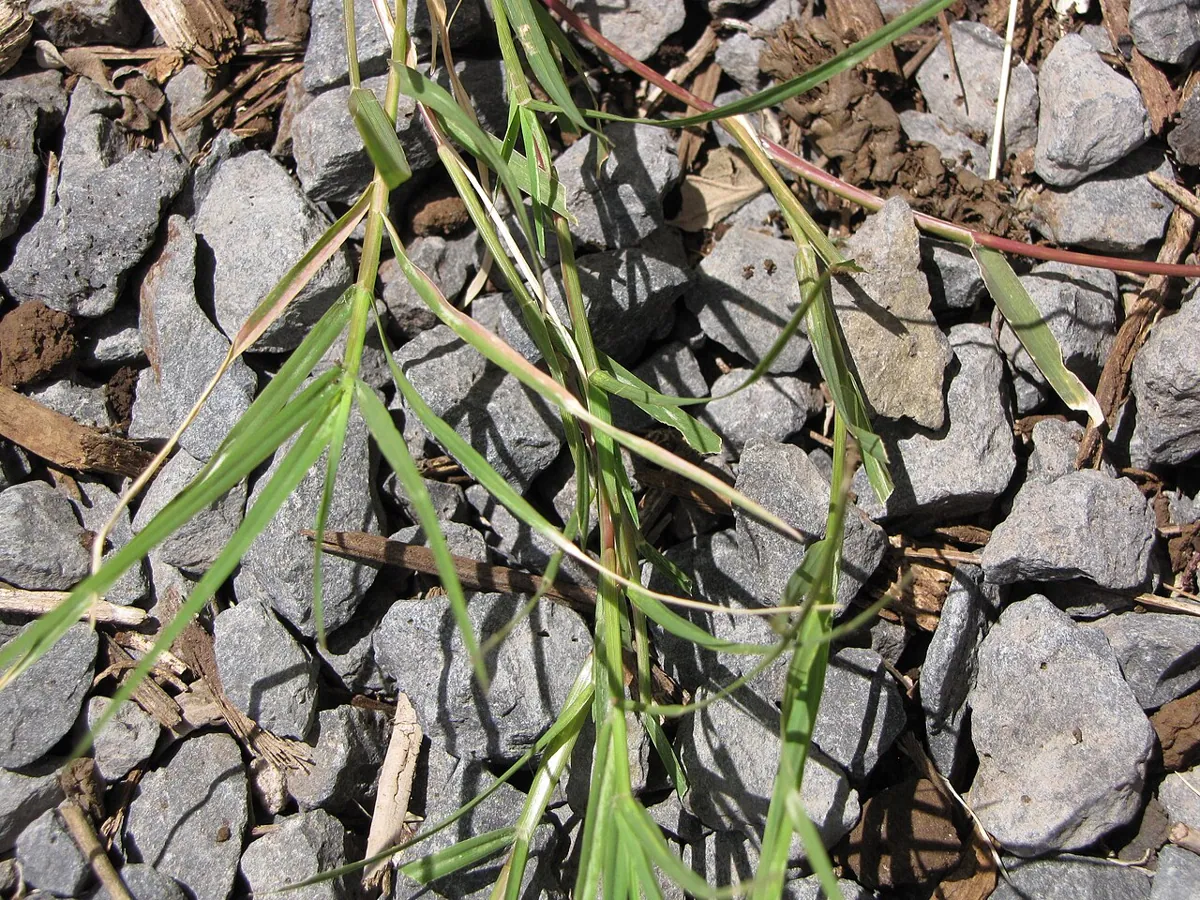
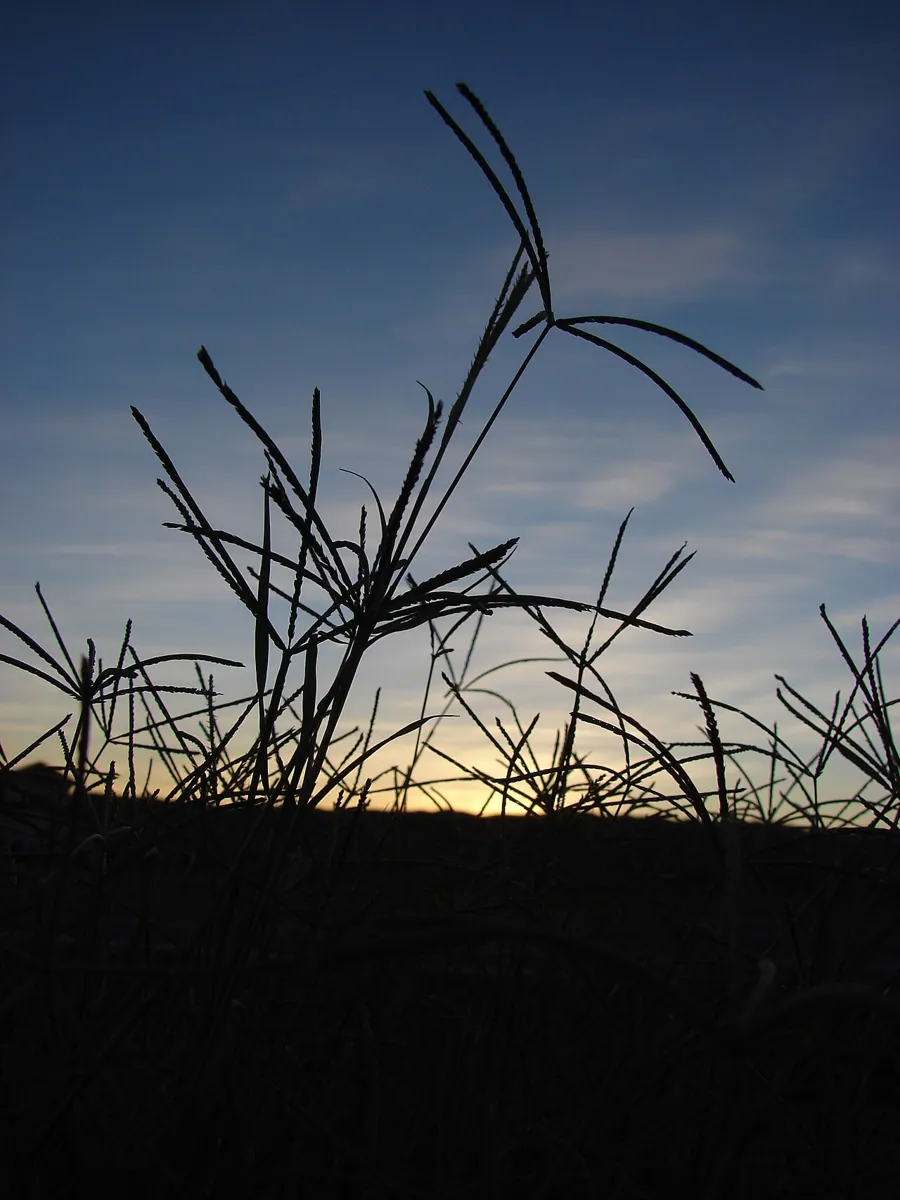
Durva (doob grass) is a cooling, sacred grass used in Ayurveda for bleeding, burning, nosebleeds, skin and urinary complaints.
About Durva
Durva is the common lawn grass of India, offered to Lord Ganesha. It is a powerful cooling herb for bleeding and burning conditions.
In the classical texts
- Charaka Samhita (Sutrasthana 4)Included in the Varnya, Kandughna, Prajasthapana and Shonitasthapana groups.
- Classical practiceFresh juice as nasya in nosebleeds.
Synonyms (paryaya)
दूब,शतपर्वा
dūba,śataparvā
Classical indications
कफपित्तहर, तृष्णा, दाह, रक्तपित्त, त्वकरोगहर, अश्मरी
kaphapittahara, tṛṣṇā, dāha, raktapitta, tvakarogahara, aśmarī
Effect on the three doshas
How vaidyas use it in practice
- Fresh juice drops in the nose for nosebleeds, as advised.
- Juice in heavy menstrual bleeding.
- Paste on itchy skin and wounds.
- In burning urination.
Simple home uses
- Fresh durva juice (2 teaspoons) with water for heat, from clean, pesticide-free grass.
For minor complaints only. If a problem lasts more than a few days or is severe, see a doctor.
Well-known formulations
दूर्वादि क्वाथ-घृत-तैल
dūrvādi kvātha-ghṛta-taila
What science says
Contains flavonoids and sterols. Studies show anti-bleeding, wound-healing and anti-inflammatory effects.
Safety and cautions
Use only grass from clean, chemical-free areas.
Who should not take it
- Grass from roadsides or sprayed lawns
How to identify it, and common adulterants
Creeping grass with short leaves and finger-like flower spikes.
Growing it at home
Grows everywhere; easy in a pot.
Questions people ask
Is durva good for nosebleeds?
Its juice is a classical remedy as nasya; persistent nosebleeds need a doctor.
This page is general information from classical Ayurvedic texts and published research. It is not a prescription. Herbs act differently in different people; take any herb only after a qualified vaidya examines you, and do not stop prescribed medicines.