
Dhattura
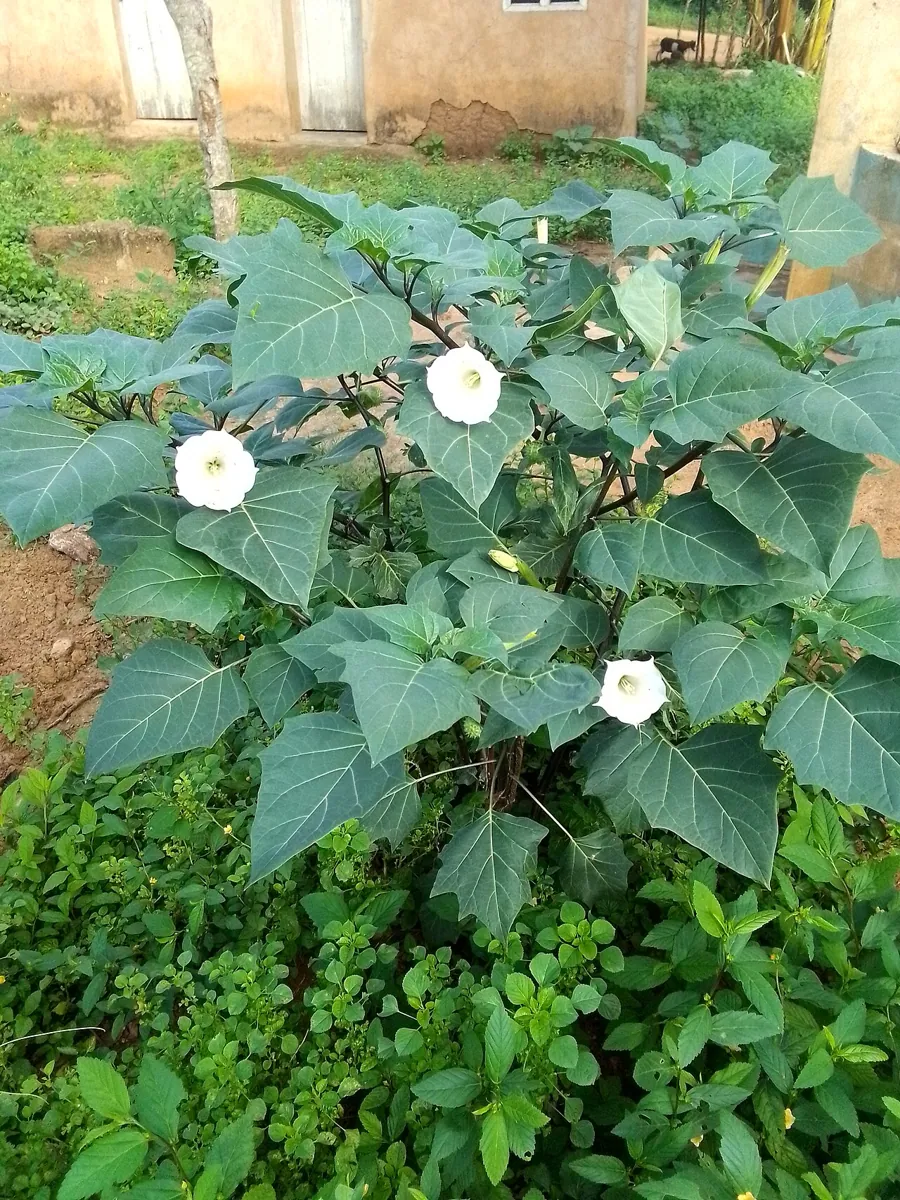
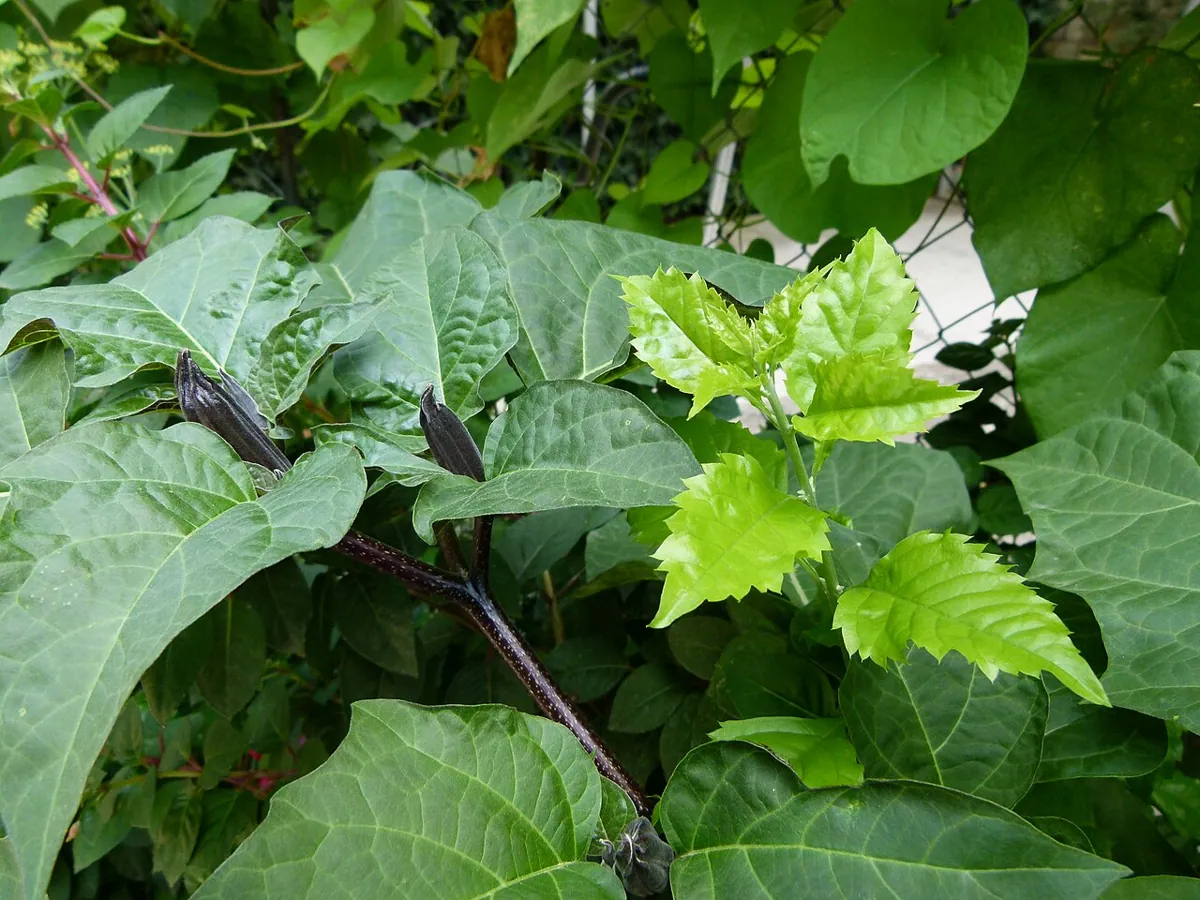
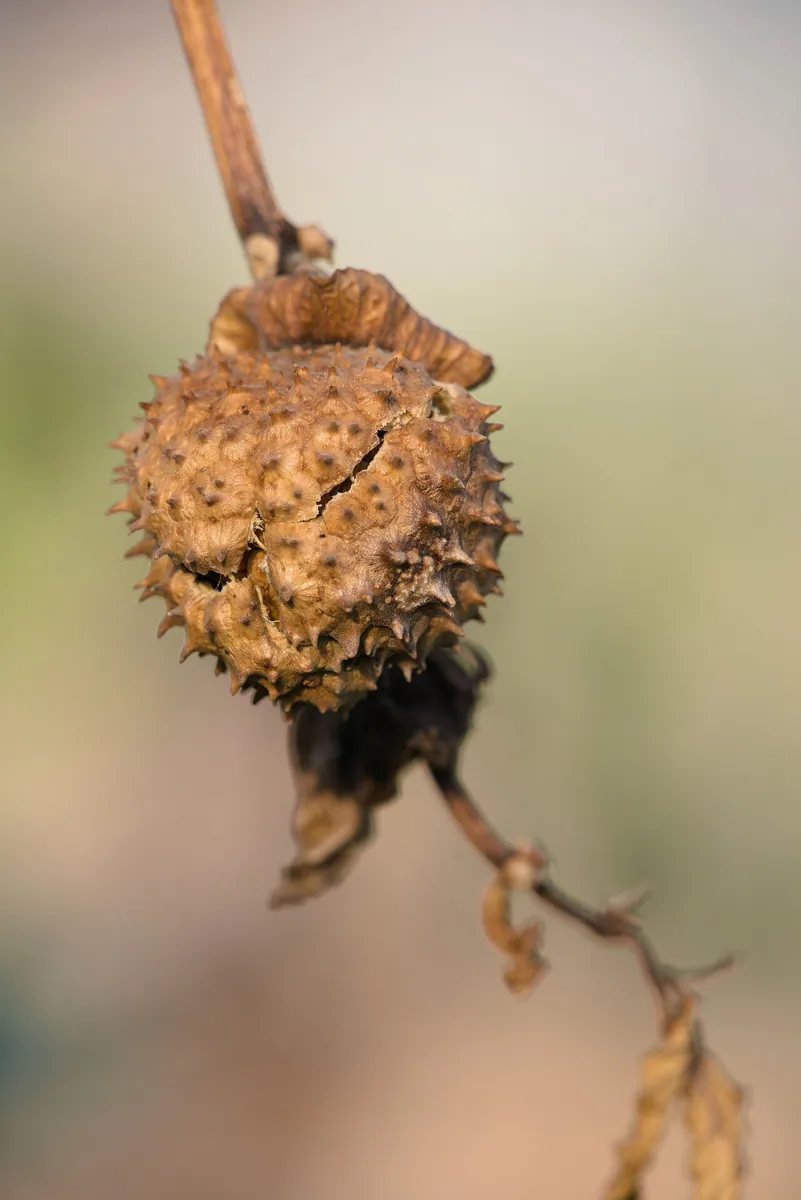
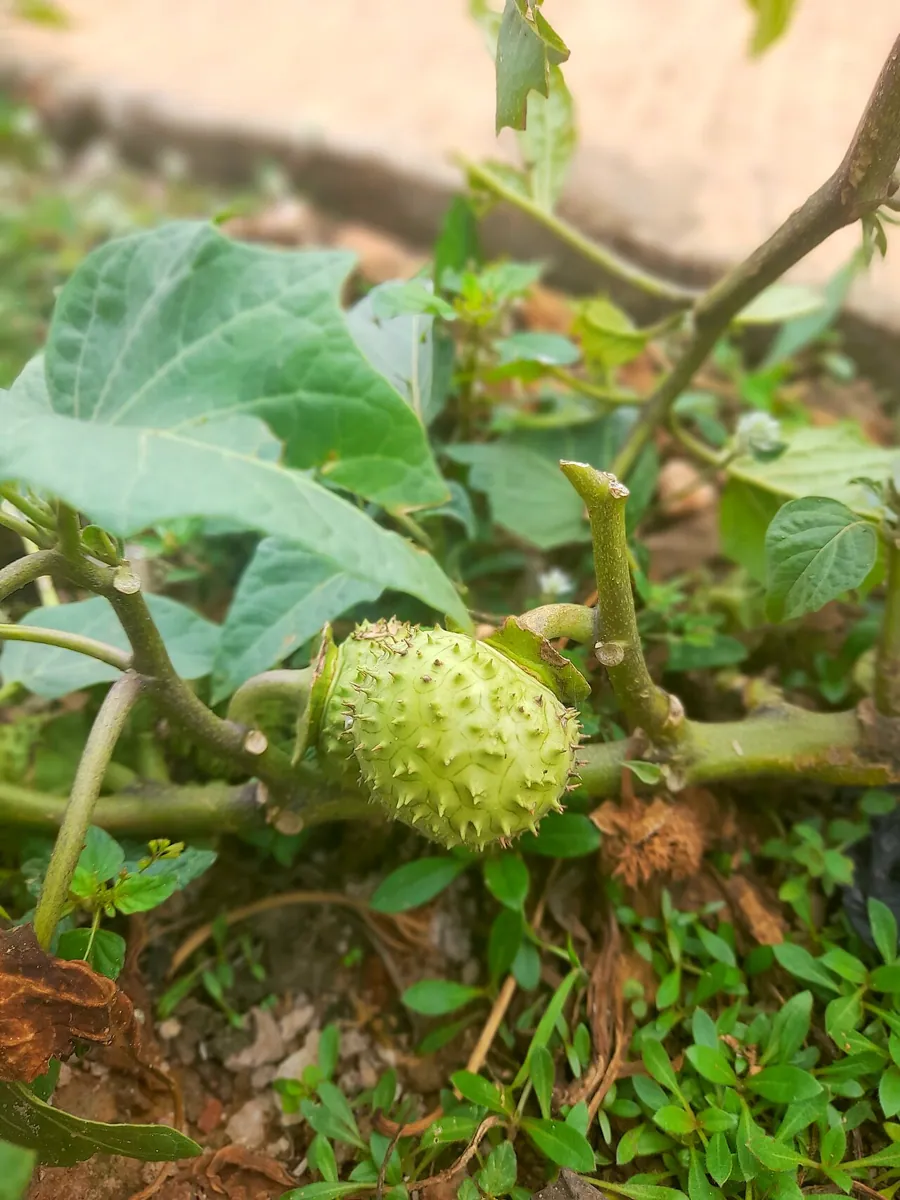
Dhattura (thorn apple) is a poisonous herb used in Ayurveda only after purification and only externally or in tiny prescribed doses.
About Dhattura
Dhattura grows on wasteland across India; its white trumpet flowers are offered to Shiva. All parts are poisonous.
Shloka from Bhavaprakasha Nighantu
धत्तूरो मदवर्णाग्निवातकृज्ज्वरकुष्ठनुत्। कषायो मधुरस्तिक्तो यूकालिक्षाविनाशकृत्॥
dhattūro madavarṇāgnivātakṛjjvarakuṣṭhanut| kaṣāyo madhurastikto yūkālikṣāvināśakṛt||
उष्णो गुरुर्व्रणश्लेष्मकण्डूक्रिमिविषापहः॥
uṣṇo gururvraṇaśleṣmakaṇḍūkrimiviṣāpahaḥ||
Meaning: Dhattura causes intoxication, improves complexion and digestive fire, increases Vata, and removes fever and skin disease. It is astringent, sweet and bitter, and kills lice and nits. It is hot and heavy, and removes wounds, Kapha, itching, worms and poison.
Bhavaprakasha Nighantu
In the classical texts
- Bhavaprakasha NighantuListed among Upavisha (semi-poisons) and described with the shloka above.
- Classical practiceLeaves used externally for swelling and pain; Kanakasava for asthma under supervision.
Synonyms (paryaya)
उन्मत,कनक,मातुल,शिवप्रिय
unmata,kanaka,mātula,śivapriya
Classical indications
मदकारी, अग्निवर्धक, श्वास, कास, जूयें, लीखों को हर
madakārī, agnivardhaka, śvāsa, kāsa, jūyeṃ, līkhoṃ ko hara
Effect on the three doshas
How vaidyas use it in practice
- Warm leaves externally on swollen painful joints, under guidance.
- Purified seed in prescribed formulas only.
Simple home uses
- Never eat any part; keep away from children.
For minor complaints only. If a problem lasts more than a few days or is severe, see a doctor.
Well-known formulations
उन्मादगजांकुश, सूतशेखर, कनकासव
unmādagajāṃkuśa, sūtaśekhara, kanakāsava
What science says
Contains tropane alkaloids (atropine, hyoscyamine, scopolamine), causing dry mouth, fast heart, confusion and death in overdose.
Safety and cautions
Poisonous; even a few seeds can kill a child.
Who should not take it
- Any internal use without prescription
- Children
- Pregnancy
- Glaucoma, heart disease
How to identify it, and common adulterants
White or purple trumpet flowers; spiny round fruits full of seeds.
Growing it at home
Do not grow near children.
Questions people ask
Is Dhatura poisonous?
Yes, all parts are.
This page is general information from classical Ayurvedic texts and published research. It is not a prescription. Herbs act differently in different people; take any herb only after a qualified vaidya examines you, and do not stop prescribed medicines.