
Dhanyaka
Dhanyaka (coriander) is a gentle, tridosha-balancing seed used in Ayurveda for digestion, fever with thirst, burning urination and acidity.
About Dhanyaka
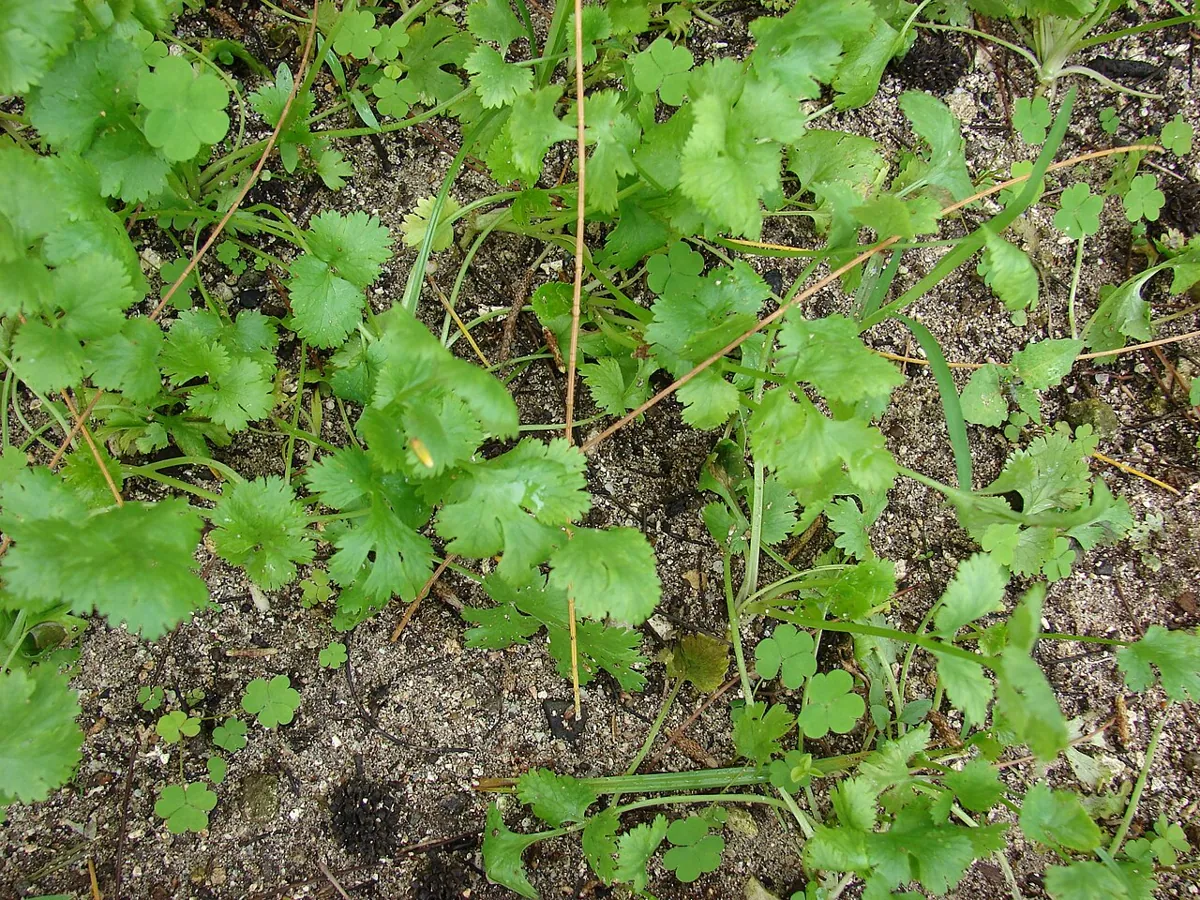
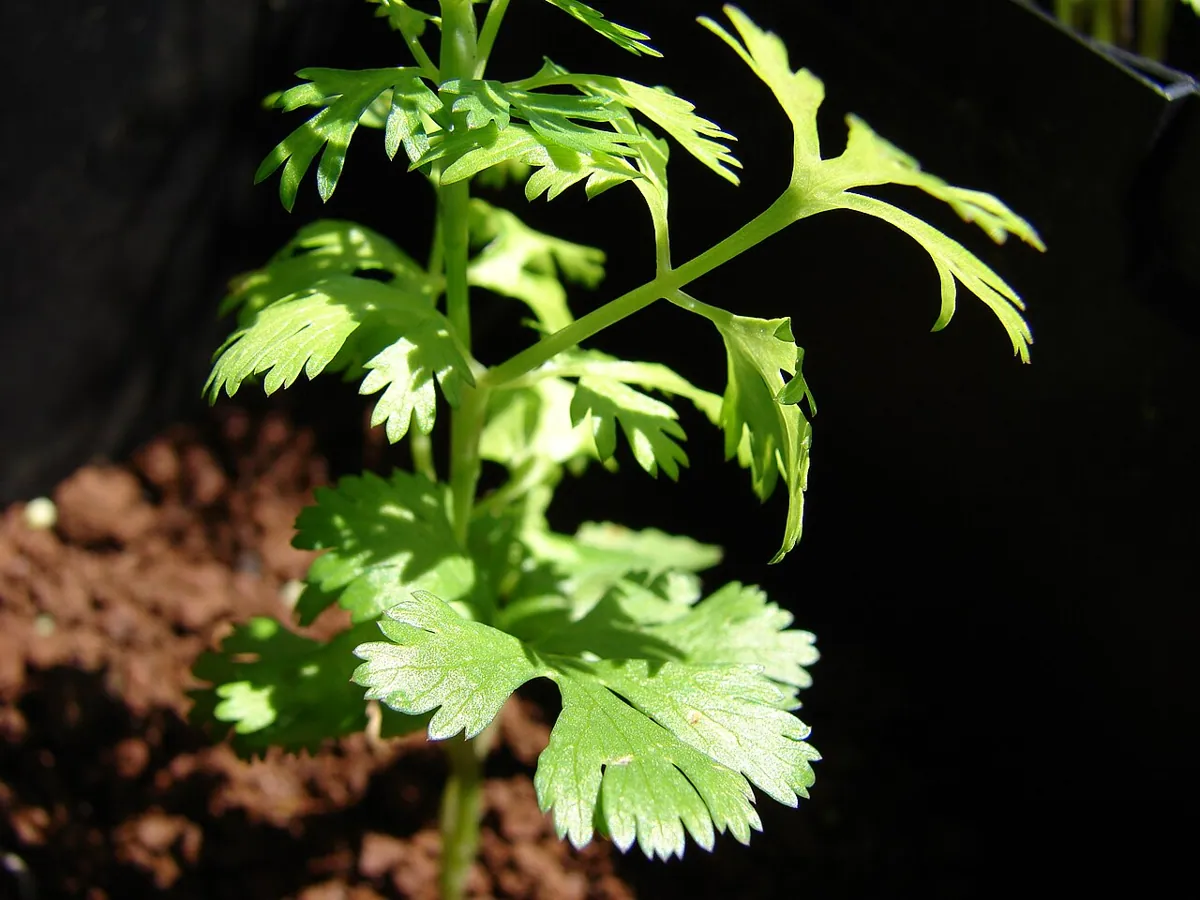
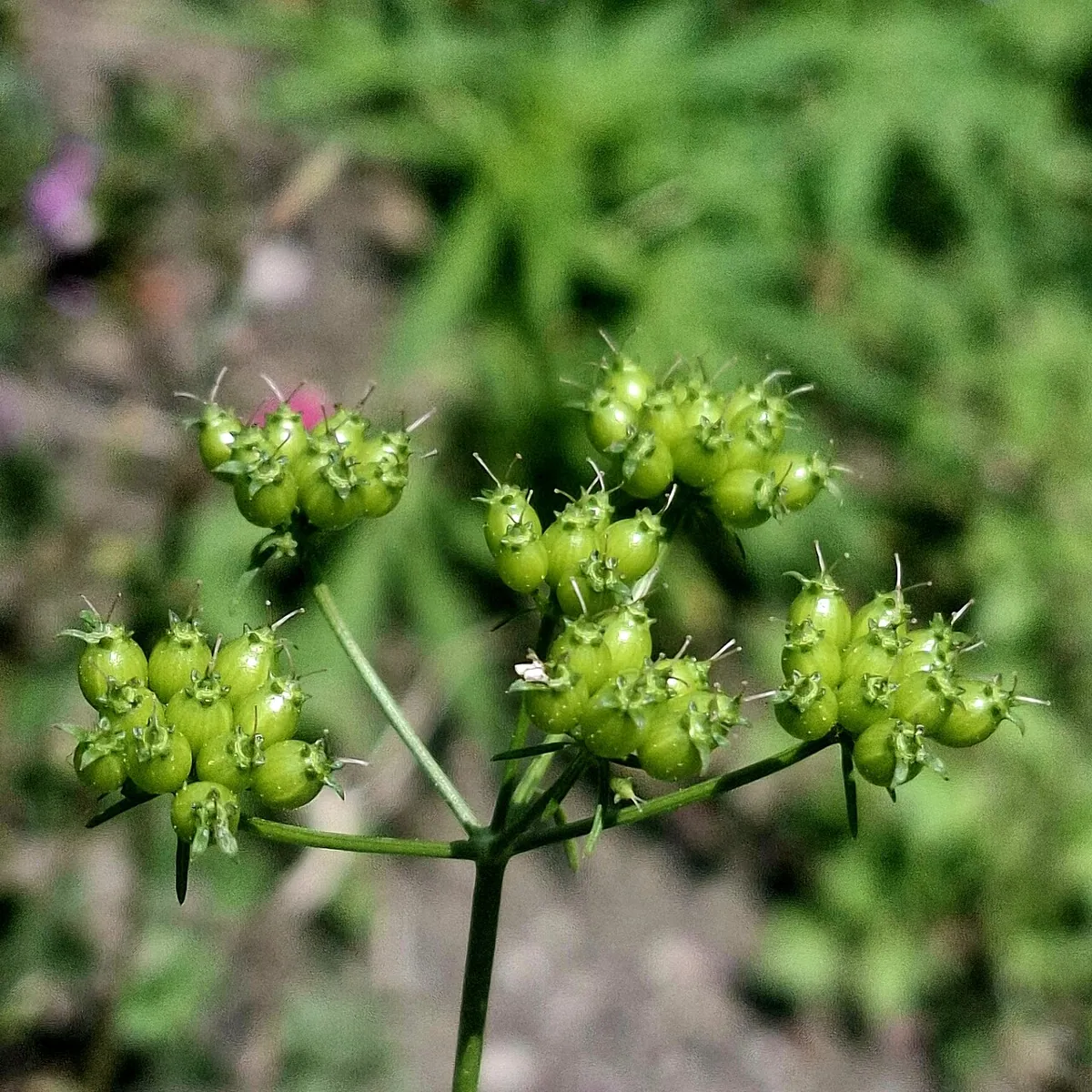
Coriander is grown everywhere in India for its leaves and seeds. The seed is the medicine. It is one of the few spices that calms Pitta while still kindling digestion, which makes it useful in hot seasons and fevers.
Shloka from Bhavaprakasha Nighantu
धान्यकं तुवरं स्निग्धमवृष्यं मूत्रलं लघु। तिक्तं कटूष्णवीर्यं च दीपनं पाचनं स्मृतम्॥
dhānyakaṃ tuvaraṃ snigdhamavṛṣyaṃ mūtralaṃ laghu| tiktaṃ kaṭūṣṇavīryaṃ ca dīpanaṃ pācanaṃ smṛtam||
ज्वरघ्नं रोचनं ग्राहि स्वादुपाकि त्रिदोषनुत्। तृष्णादाहवमिश्वासकासकार्श्यकृमिप्रणुत्॥
jvaraghnaṃ rocanaṃ grāhi svādupāki tridoṣanut| tṛṣṇādāhavamiśvāsakāsakārśyakṛmipraṇut||
Meaning: Coriander is astringent, unctuous, not aphrodisiac, diuretic and light. It is bitter and pungent, warm in potency, kindles and digests. It removes fever, improves taste, binds, is sweet after digestion and balances the three doshas. It removes thirst, burning, vomiting, breathlessness, cough, emaciation and worms.
Bhavaprakasha Nighantu, Haritakyadi varga
In the classical texts
- Charaka Samhita (Sutrasthana 4)Included (as Dhanyaka) in the Trishnanigrahana and Shitaprashamana groups.
- Bhavaprakasha Nighantu (Haritakyadi varga)Described with the shloka above.
- ChakradattaDhanyaka hima (cold infusion) for burning and thirst in fevers.
Synonyms (paryaya)
छत्रा,कुस्तुम्बरु,वितुन्नक,
chatrā,kustumbaru,vitunnaka,
Classical indications
ज्वरघ्न, तृष्णा, दाह, वमन, कास, कृमि, त्रिदोषहर, मुत्रल, आर्द्र पित्तनाशक,
jvaraghna, tṛṣṇā, dāha, vamana, kāsa, kṛmi, tridoṣahara, mutrala, ārdra pittanāśaka,
Effect on the three doshas
How vaidyas use it in practice
- Dhanyaka hima (seeds soaked overnight, water drunk in the morning) for burning, thirst and acidity.
- Shadanga paniya in fevers.
- Coriander with cumin and fennel after meals for digestion.
- In burning urination with sugar candy.
Simple home uses
- Soak a teaspoon of crushed coriander seed overnight in a glass of water; strain and drink in the morning for heat and acidity.
- Fresh coriander leaf chutney with meals for appetite.
For minor complaints only. If a problem lasts more than a few days or is severe, see a doctor.
Well-known formulations
धान्यपंचक क्वाथ
dhānyapaṃcaka kvātha
What science says
Coriander seed oil is mostly linalool. Animal and small human studies suggest effects on blood sugar, cholesterol and digestion, and mild anxiety-reducing effects.
Safety and cautions
Very safe as food. Rare allergies occur, mainly in people allergic to related plants (fennel, celery).
Who should not take it
- Known allergy to coriander or related plants
How to identify it, and common adulterants
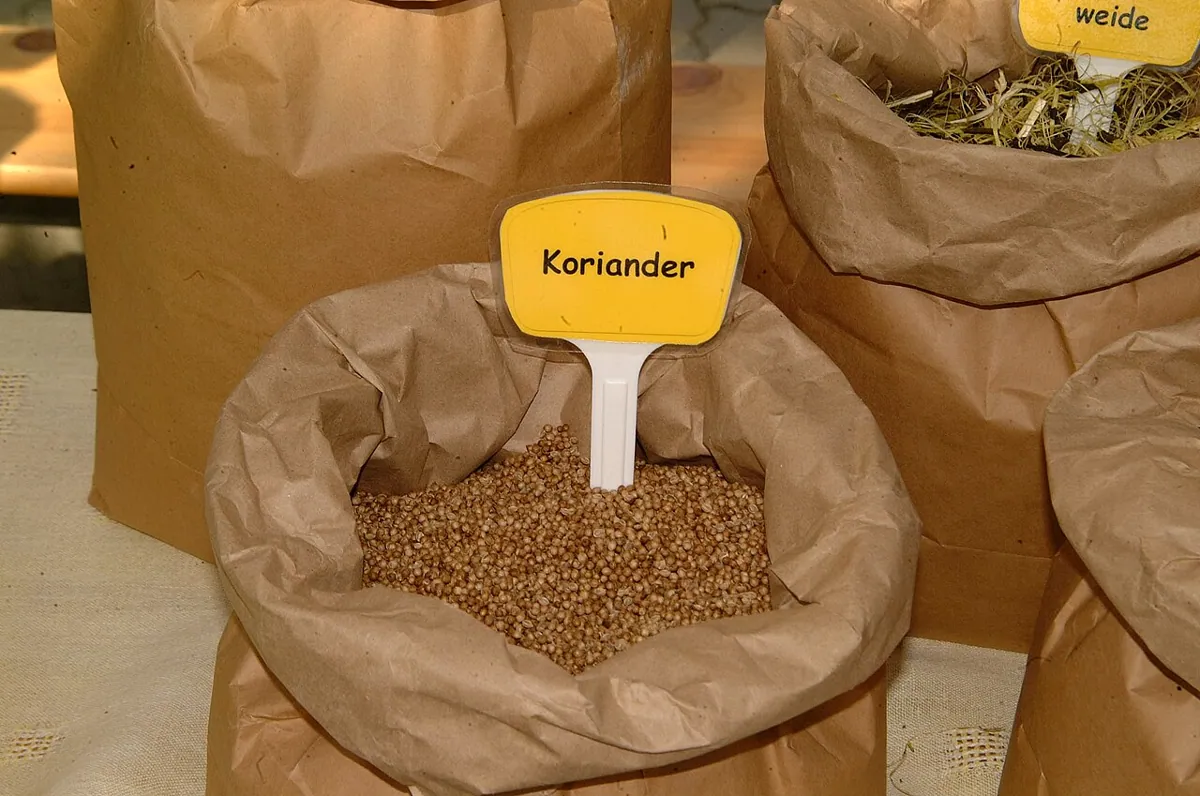
Good seeds are round, pale brown, ribbed and fragrant. Old seeds lose their smell; insect-bored seeds have small holes.
Growing it at home
Very easy: sow split seeds in a pot or bed in the cool season; leaves are ready in a month and seeds in about three.
Questions people ask
Is coriander cooling?
It balances all three doshas and is especially used for heat, thirst and burning.
What is Dhanyaka hima?
A cold infusion: crushed seeds soaked overnight in water, then strained.
This page is general information from classical Ayurvedic texts and published research. It is not a prescription. Herbs act differently in different people; take any herb only after a qualified vaidya examines you, and do not stop prescribed medicines.