
Darbha
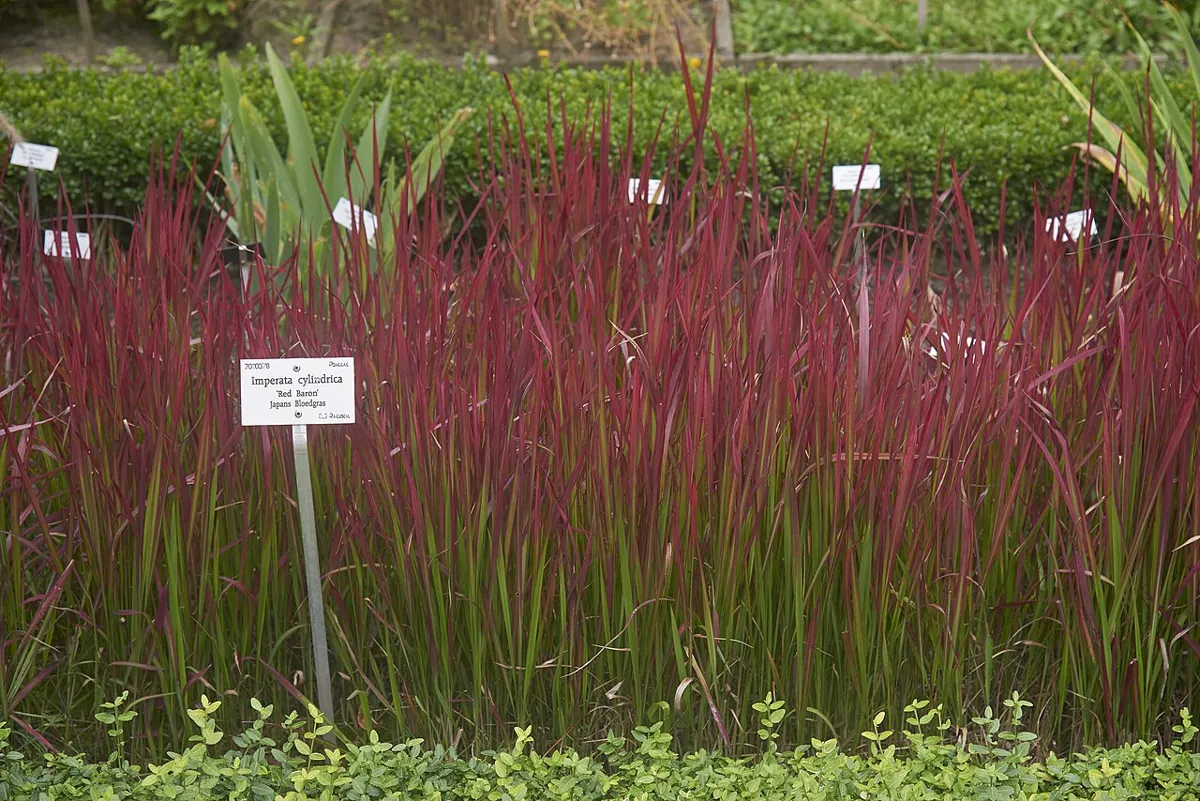
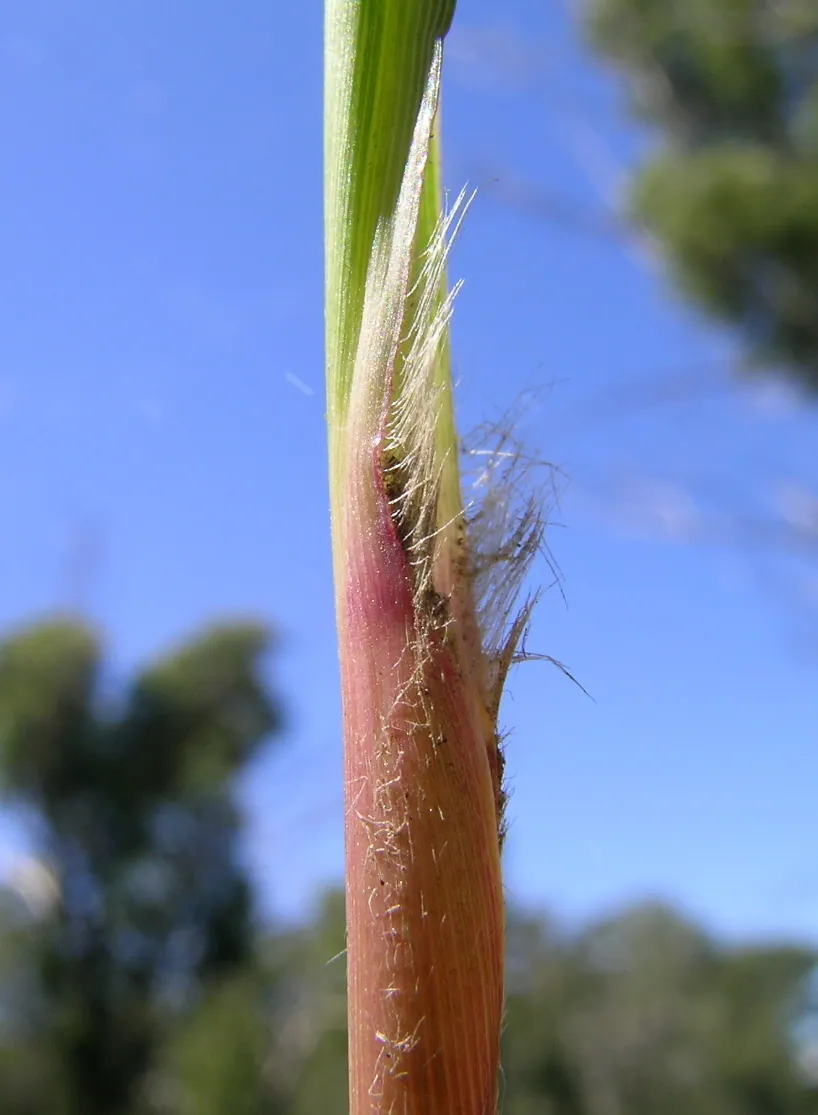
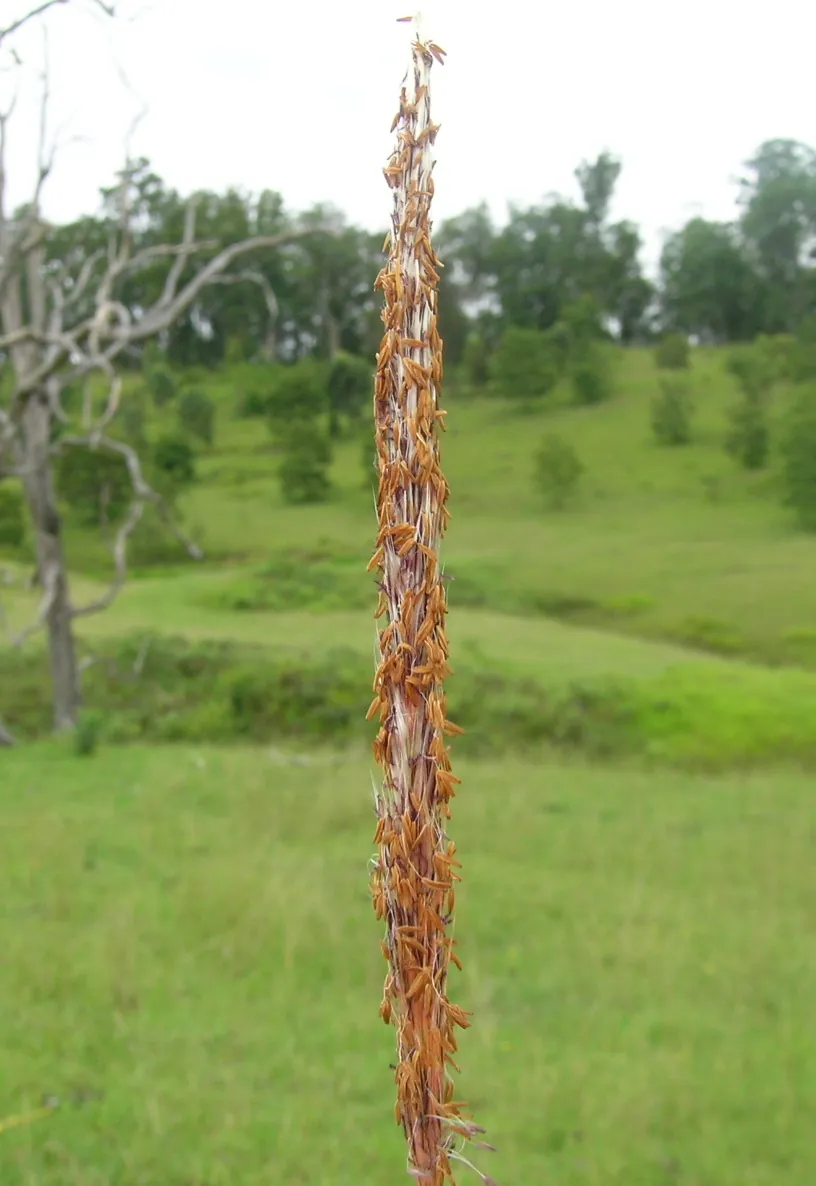
Darbha is a sacred grass used in Ayurveda for urinary burning, stones, bleeding and thirst, as part of Trinapanchamula.
About Darbha
Darbha and Kusha are sacred grasses used in rituals; their roots are diuretic medicines.
Shloka from Bhavaprakasha Nighantu
कुशद्वयं त्रिदोषघ्नं मधुरं तुवरं हिमम्। मूत्रकृच्छ्राश्मरीतृष्णाबस्तिरुक्प्रदरास्रजित्॥
kuśadvayaṃ tridoṣaghnaṃ madhuraṃ tuvaraṃ himam| mūtrakṛcchrāśmarītṛṣṇābastirukpradarāsrajit||
Meaning: Both Kushas (Kusha and Darbha) balance the three doshas, are sweet, astringent and cold, and overcome painful urination, stones, thirst, bladder pain, leucorrhoea and bleeding.
Bhavaprakasha Nighantu
In the classical texts
- Charaka Samhita (Sutrasthana 4)Included in the Stanyajanana and Mutravirechaniya groups; part of Trinapanchamula.
- Bhavaprakasha NighantuDescribed with the shloka above.
Synonyms (paryaya)
दीर्घपत्र,क्षुरपत्र
dīrghapatra,kṣurapatra
Classical indications
त्रिदोषहर, मूत्रकृच्छ्र, अश्मरी, रक्तपित्त, रक्तप्रदरहर
tridoṣahara, mūtrakṛcchra, aśmarī, raktapitta, raktapradarahara
Effect on the three doshas
How vaidyas use it in practice
- Trinapanchamula kwatha in burning urination and stones.
Simple home uses
- Not usually a home remedy.
For minor complaints only. If a problem lasts more than a few days or is severe, see a doctor.
Well-known formulations
तृणपंचमूल क्वाथ
tṛṇapaṃcamūla kvātha
What science says
Roots contain triterpenoids; diuretic effects.
Safety and cautions
Safe in formulas.
Who should not take it
- None in usual use
How to identify it, and common adulterants
Tall grass with silky white plumes.
Growing it at home
Wild grass.
Questions people ask
What is Trinapanchamula?
Five grass roots (Kusha, Kasha, Nala, Darbha, Ikshu) used for urinary disorders.
This page is general information from classical Ayurvedic texts and published research. It is not a prescription. Herbs act differently in different people; take any herb only after a qualified vaidya examines you, and do not stop prescribed medicines.