
Dadima
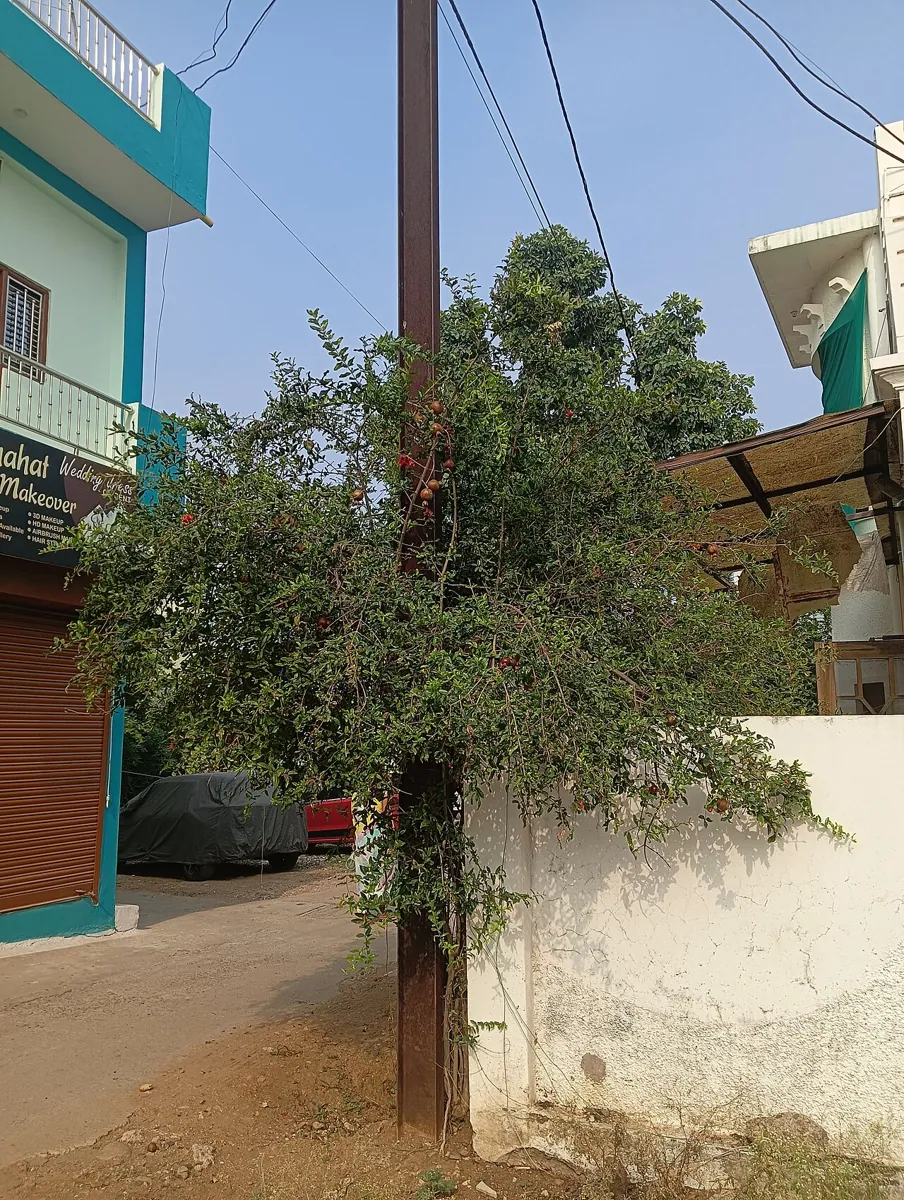
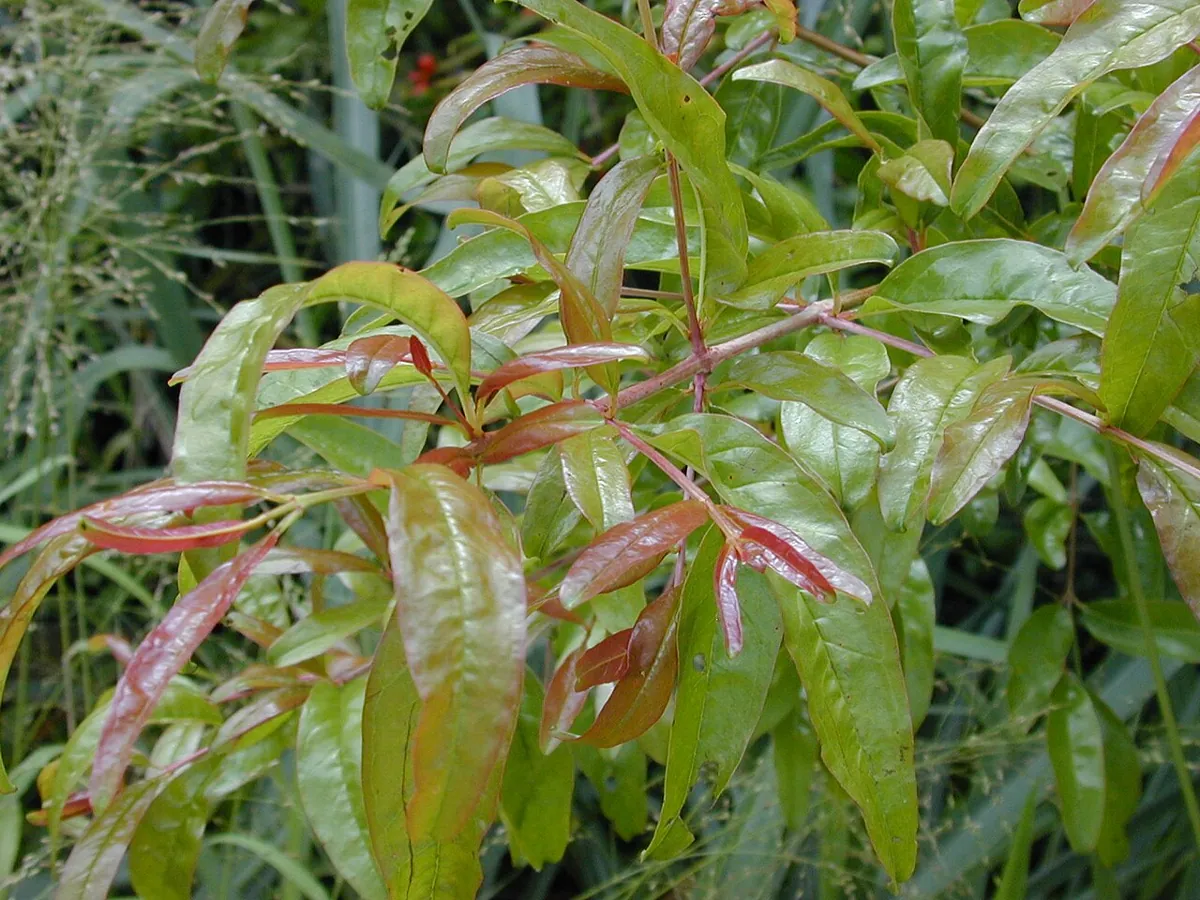
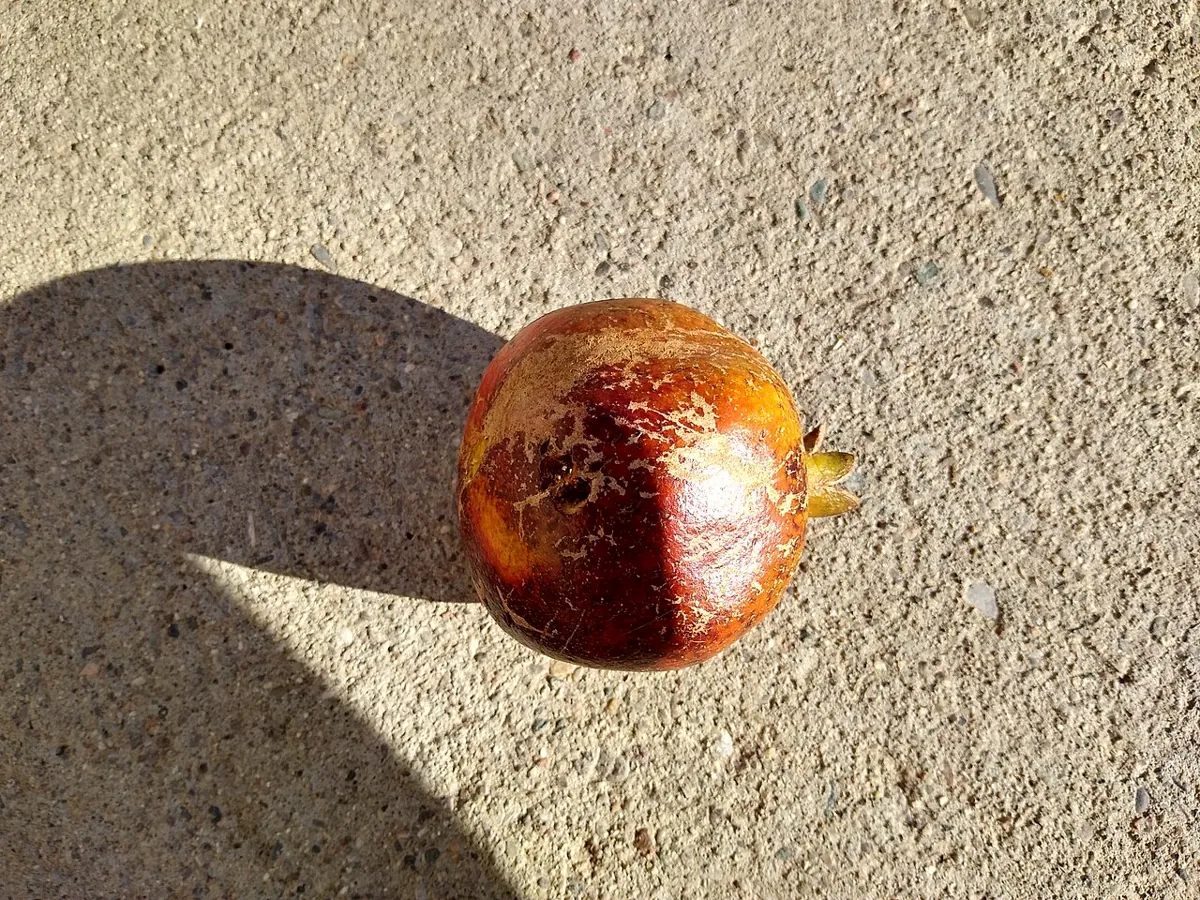
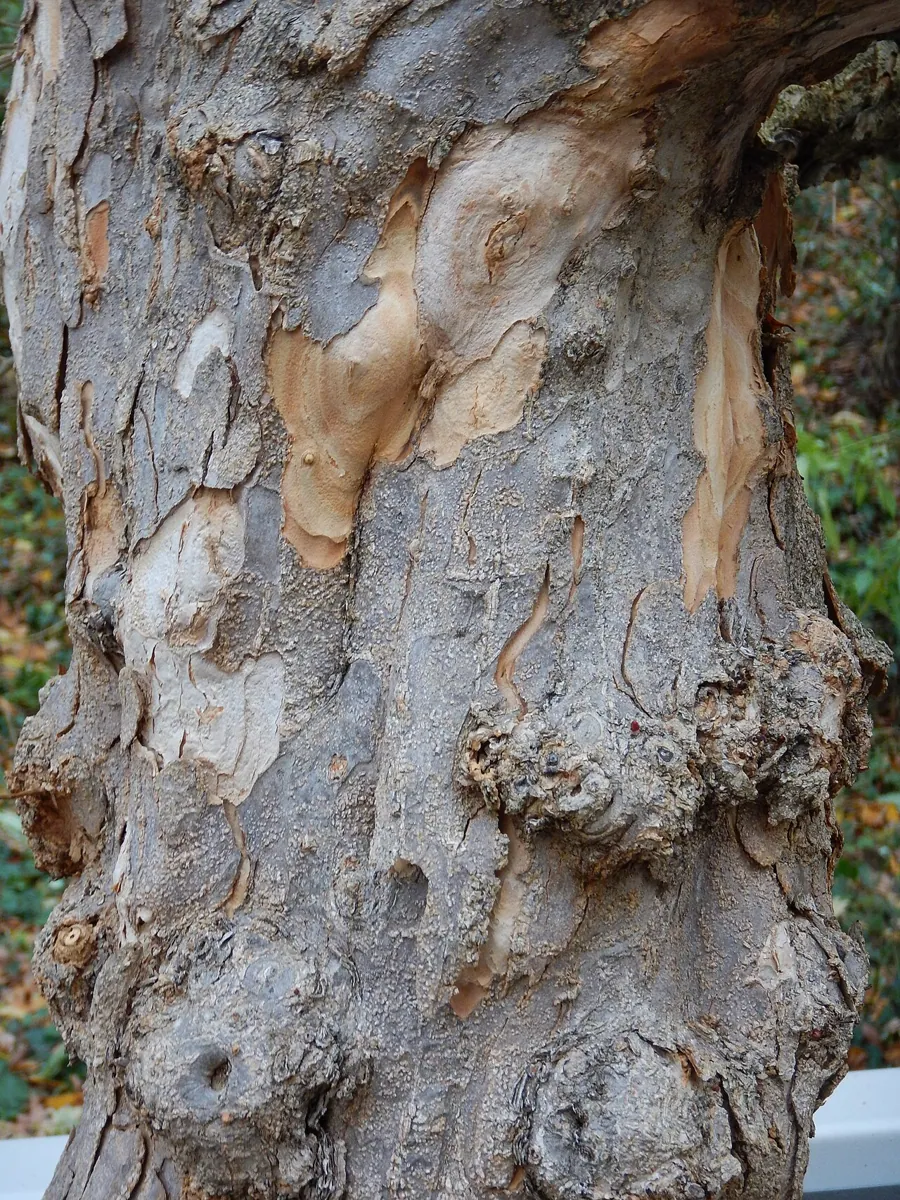
Dadima (pomegranate) is a tridosha-balancing fruit used in Ayurveda for digestion, diarrhoea, heart health, thirst and anaemia.
About Dadima
Pomegranate grows well in Maharashtra, especially Solapur and Nashik. Ayurveda separates sweet and sour types: the sweet type balances all three doshas. The rind and root bark are also medicines.
In the classical texts
- Charaka Samhita (Sutrasthana 27)Among fruits, sweet pomegranate is praised as tridosha-balancing and good for the heart.
- Charaka Samhita (Sutrasthana 4)Included in the Hridya, Chhardinigrahana and Amla skandha.
- Classical formulasDadimashtaka churna for digestion and diarrhoea.
Synonyms (paryaya)
दन्तबीज,लोहितपुष्पक,अनार
dantabīja,lohitapuṣpaka,anāra
Classical indications
सन्तर्पक, शुक्रजनक, ग्राही, मेधाग्निबलवर्धक, हृद्य, कण्ठ, मुखरोगहर, कृमिनाशक स्फीतकृमि
santarpaka, śukrajanaka, grāhī, medhāgnibalavardhaka, hṛdya, kaṇṭha, mukharogahara, kṛmināśaka sphītakṛmi
Effect on the three doshas
How vaidyas use it in practice
- Dadimashtaka churna for loose stools and poor appetite.
- Rind decoction for diarrhoea and as a gargle.
- Fresh fruit and juice for thirst and weakness.
Simple home uses
- Fresh pomegranate seeds or juice for thirst and weakness.
- Dried rind decoction for mild loose stools.
For minor complaints only. If a problem lasts more than a few days or is severe, see a doctor.
Well-known formulations
दाङिम-चतुसम-आष्टक-आद्यघृत-तैल
dāṅima-catusama-āṣṭaka-ādyaghṛta-taila
What science says
Rich in punicalagins and other polyphenols. Studies show antioxidant effects and modest blood-pressure lowering.
Safety and cautions
Very safe as food. Root bark is a strong worm remedy and must be dosed by a vaidya.
Who should not take it
- Root bark at home
How to identify it, and common adulterants
Sweet varieties have deep red, juicy arils.
Growing it at home
Grows well in Vidarbha in full sun; plant grafted saplings.
Questions people ask
Is pomegranate good for anaemia?
It is nourishing food; anaemia still needs testing and treatment.
This page is general information from classical Ayurvedic texts and published research. It is not a prescription. Herbs act differently in different people; take any herb only after a qualified vaidya examines you, and do not stop prescribed medicines.