
Chopachini
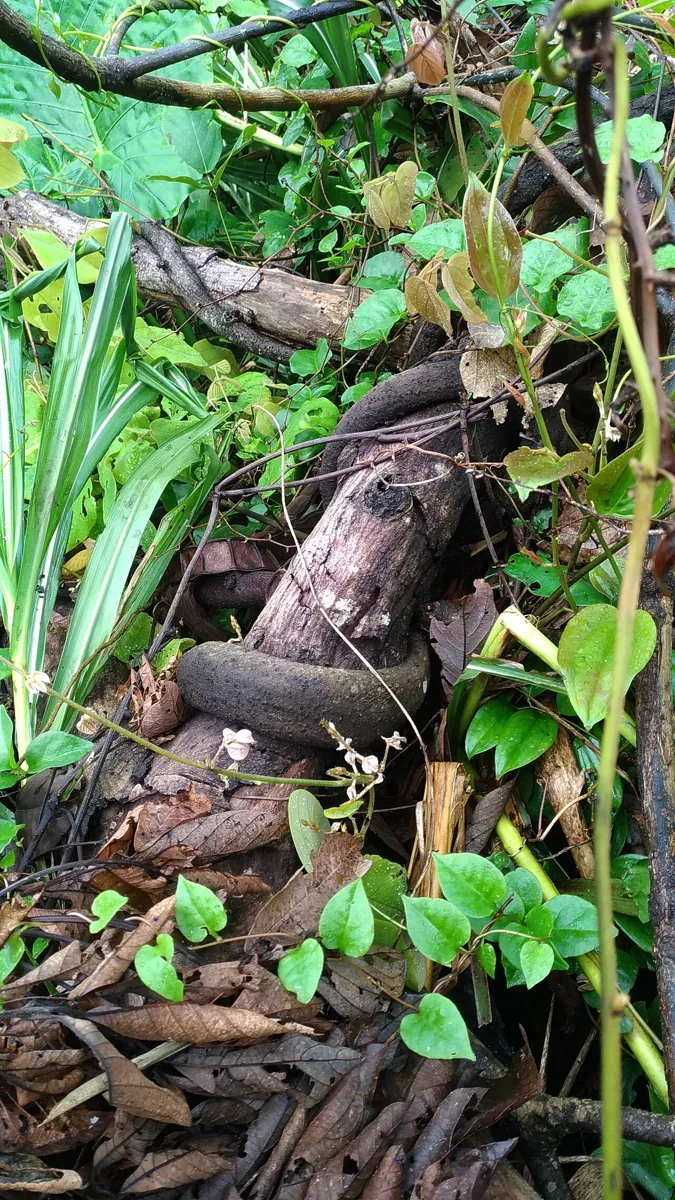
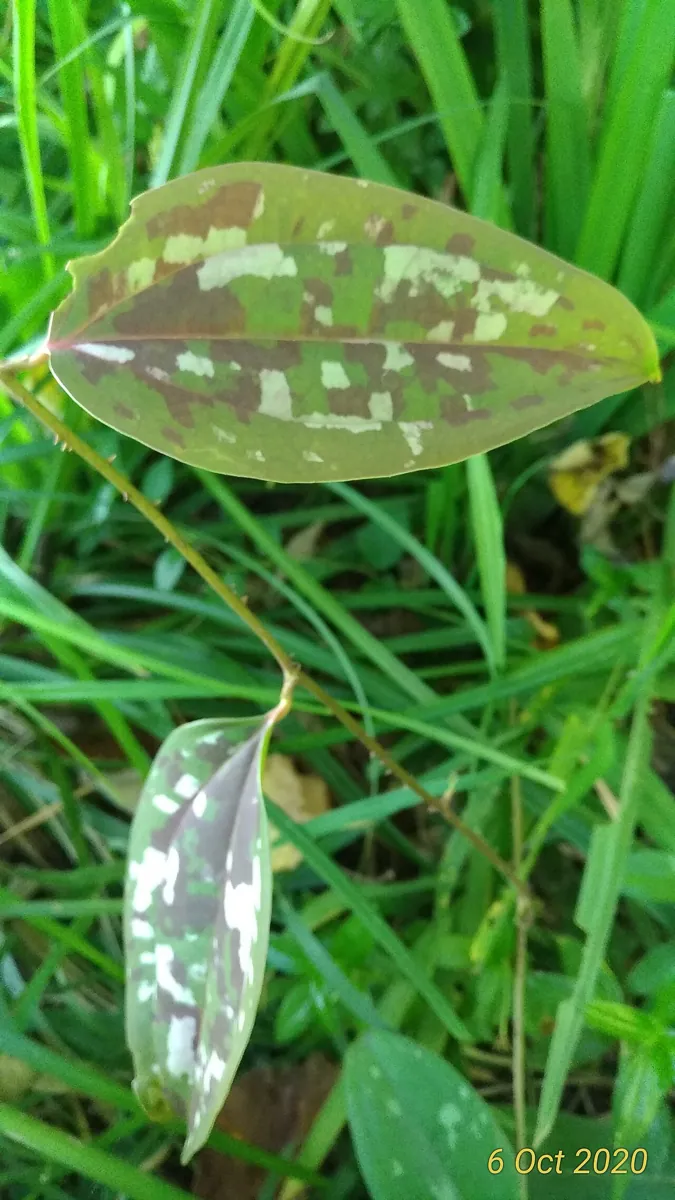
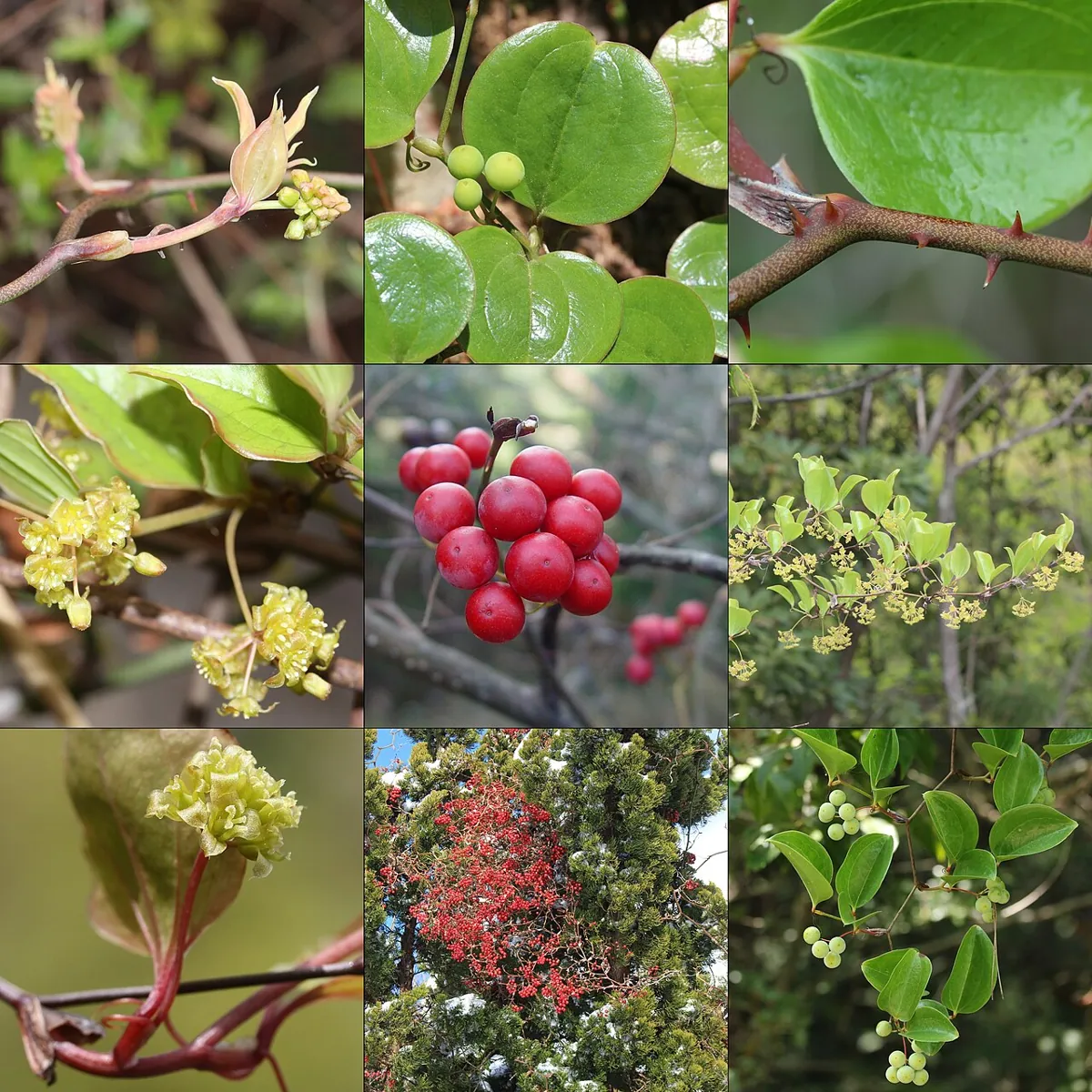
Chopachini (china root) is used in Ayurveda for joint pain, skin disease, nerve pain and blood purification.
About Chopachini
Chopachini is the rhizome of a climbing Smilax from China and East Asia, brought into Ayurveda through trade.
Shloka from Bhavaprakasha Nighantu
द्वीपान्तरवचा किंचित्तिक्ता उष्णाग्निदीप्तिकृत्। विबन्धाध्मानशूलघ्नी शकृन्मूत्रविशोधिनी॥
dvīpāntaravacā kiṃcittiktā uṣṇāgnidīptikṛt| vibandhādhmānaśūlaghnī śakṛnmūtraviśodhinī||
वातव्याधीनपस्मारमुन्मादं तनुवेदनाम्। व्यपोहति विशेषेण फिरङ्गामयनाशिनी॥
vātavyādhīnapasmāramunmādaṃ tanuvedanām| vyapohati viśeṣeṇa phiraṅgāmayanāśinī||
Meaning: Dvipantara Vacha (Chopachini) is slightly bitter, hot and kindles digestion. It removes constipation, bloating and colic and cleanses stool and urine. It removes Vata disorders, epilepsy, insanity and body pain, and especially removes Phiranga (syphilis-type disease).
Bhavaprakasha Nighantu
In the classical texts
- Bhavaprakasha NighantuDescribed with the shloka above, notably for Phiranga roga.
Synonyms (paryaya)
द्वीपान्तरवचा
dvīpāntaravacā
Classical indications
रसायन, रक्तशोधक, बल्य, वाजीकर, आमवात, वातरक्तहर
rasāyana, raktaśodhaka, balya, vājīkara, āmavāta, vātaraktahara
Effect on the three doshas
How vaidyas use it in practice
- Chopachinyadi churna for joint pain and skin.
- In Vatarakta.
Simple home uses
- Not usually a home remedy.
For minor complaints only. If a problem lasts more than a few days or is severe, see a doctor.
Well-known formulations
चोपचीनी पाक-चूर्ण
copacīnī pāka-cūrṇa
What science says
Contains saponins and flavonoids (astilbin).
Safety and cautions
Generally safe in formulas.
Who should not take it
- Pregnancy
How to identify it, and common adulterants
Pinkish-brown starchy rhizome pieces.
Growing it at home
Not grown in Vidarbha.
Questions people ask
Is it good for joint pain?
It is used in classical joint formulas.
This page is general information from classical Ayurvedic texts and published research. It is not a prescription. Herbs act differently in different people; take any herb only after a qualified vaidya examines you, and do not stop prescribed medicines.