
Chitraka
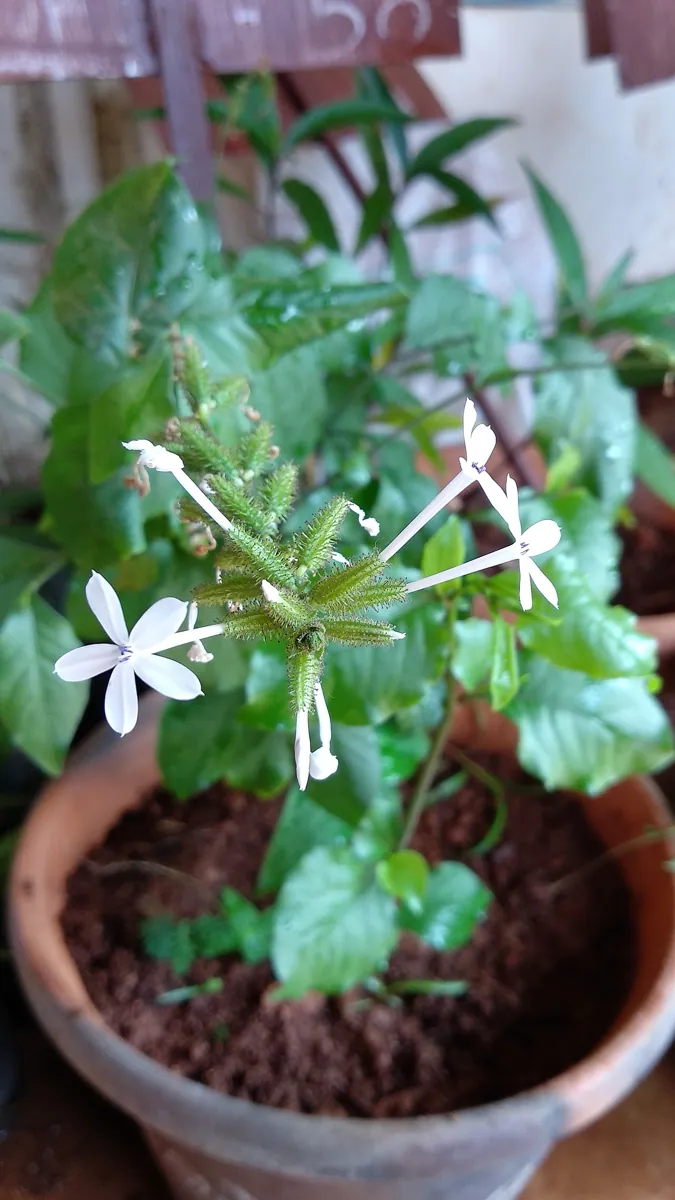
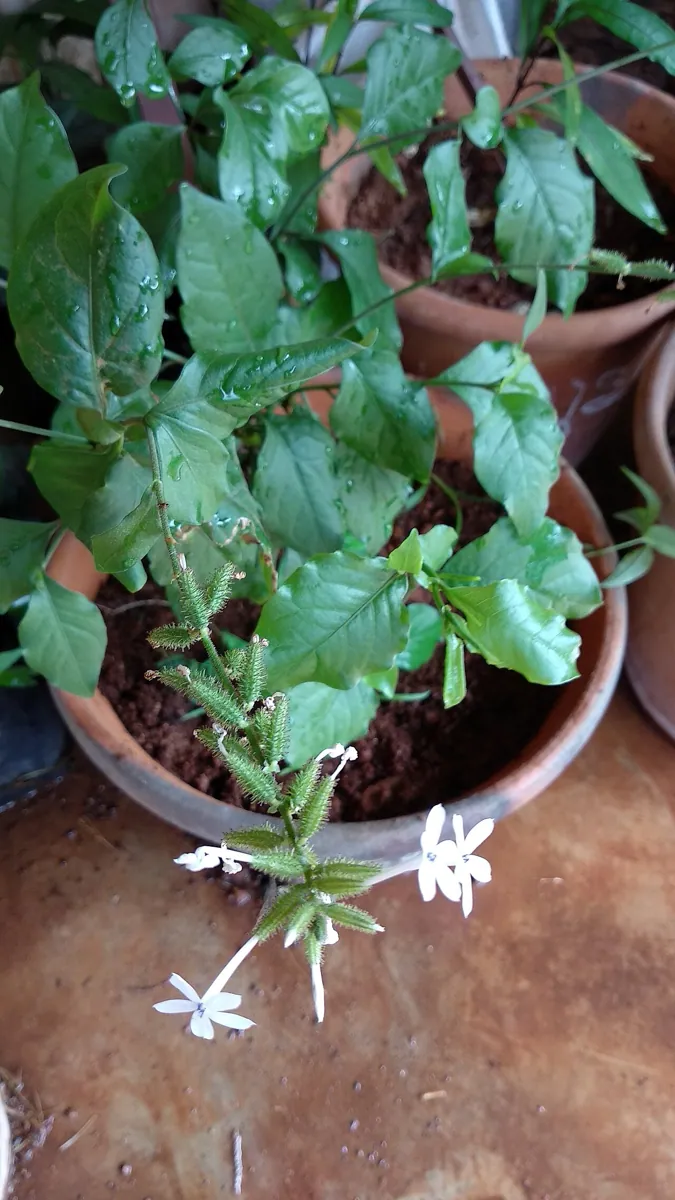
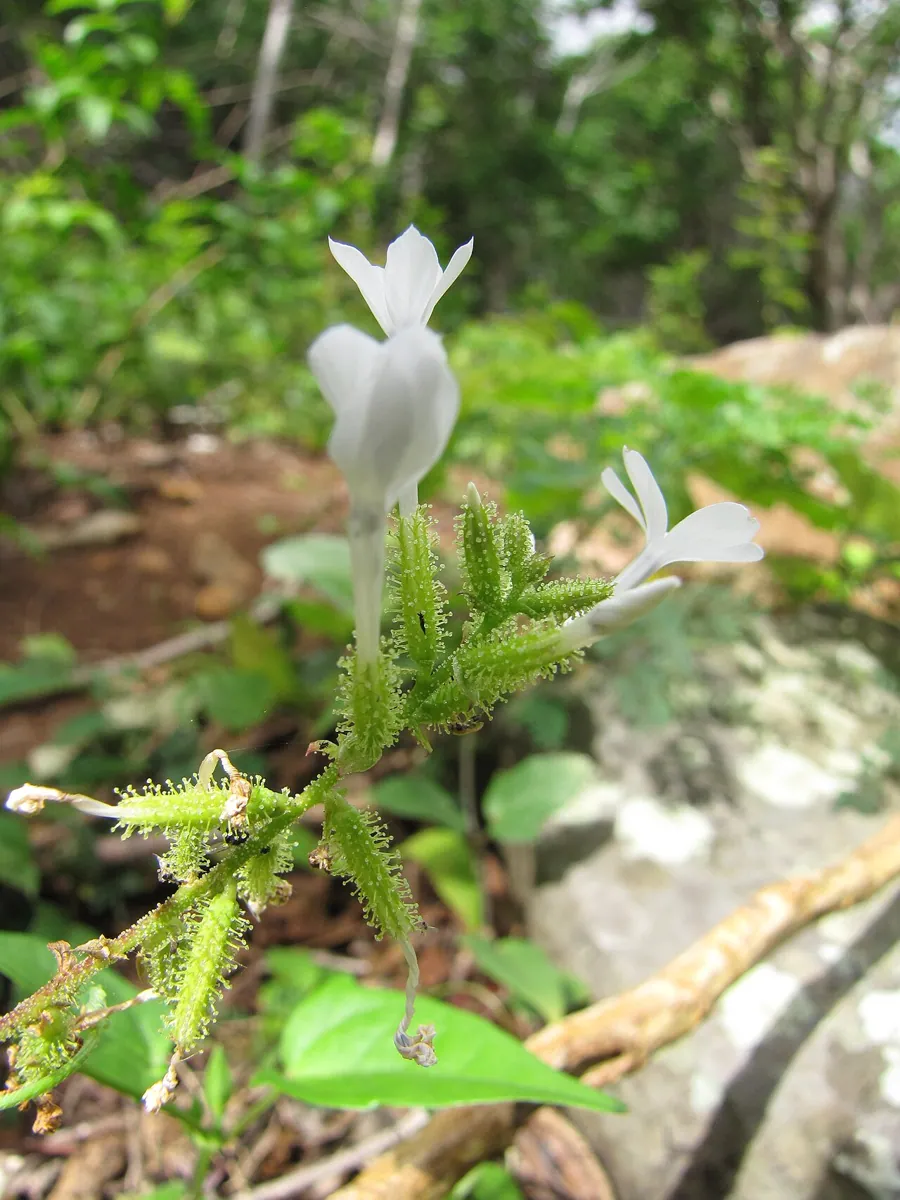
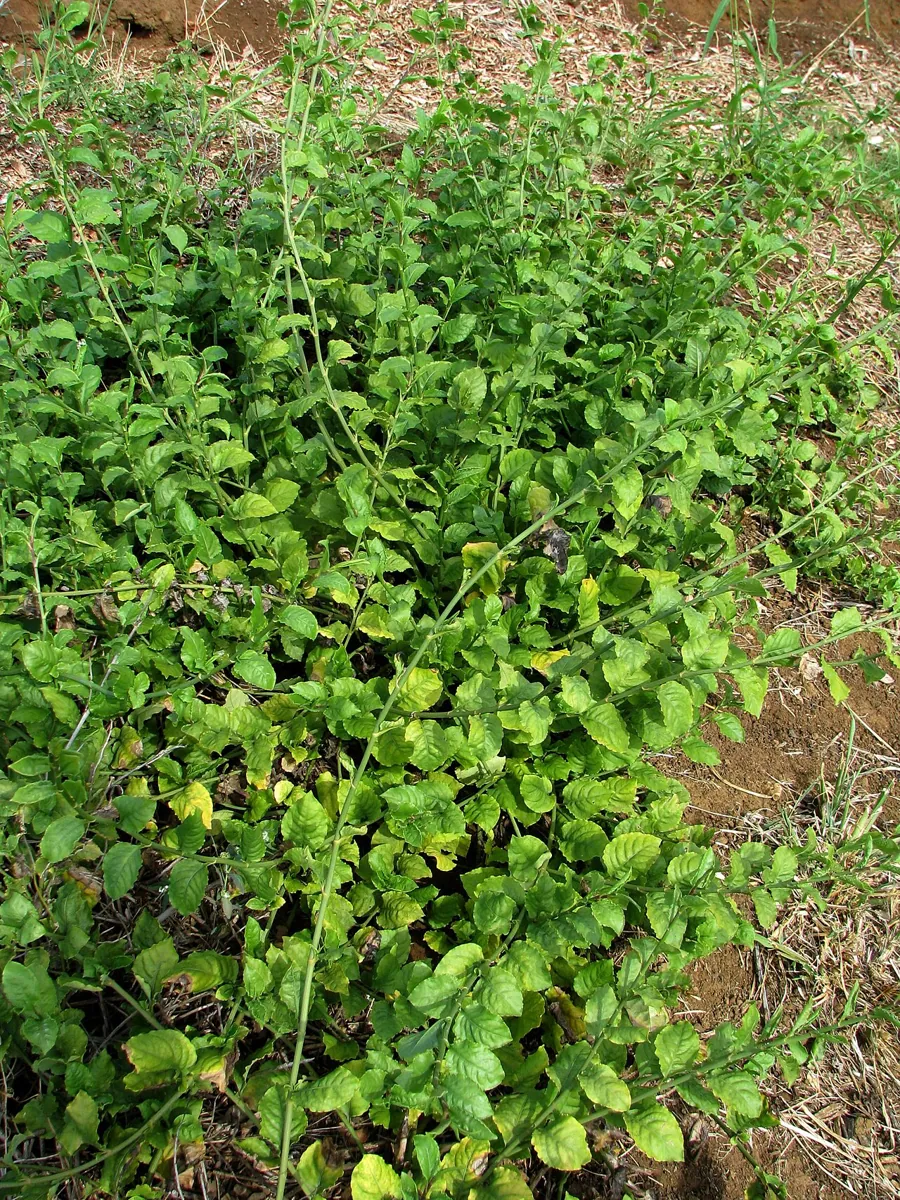
Chitraka is a strongly heating digestive root used in Ayurveda for very weak digestion, piles, ama and fat metabolism; it is used only in measured doses.
About Chitraka
Chitraka is a perennial shrub with white flowers that grows wild and is cultivated across India. The root, which contains a sharp yellow principle, is the part used. It is the strongest of the classical digestive fire-kindlers and is always given in purified (shodhita) form.
Shloka from Bhavaprakasha Nighantu
चित्रकः कटुकः पाके वह्निकृत्पाचनो लघुः। रूक्षोष्णो ग्रहणीकुष्ठशोथार्शःकृमिकासनुत्॥
citrakaḥ kaṭukaḥ pāke vahnikṛtpācano laghuḥ| rūkṣoṣṇo grahaṇīkuṣṭhaśothārśaḥkṛmikāsanut||
Meaning: Chitraka is pungent after digestion, kindles the digestive fire, digests and is light. It is dry and hot, and removes grahani (malabsorption), skin disease, swelling, piles, worms and cough.
Bhavaprakasha Nighantu, Haritakyadi varga
In the classical texts
- Charaka Samhita (Sutrasthana 4)Included in the Dipaniya, Lekhaniya, Arshoghna and Shulaprashamana groups.
- Charaka Samhita (Sutrasthana 25)Named the best herb for kindling digestion and for piles of a dry type and for loss of appetite.
- Bhavaprakasha Nighantu (Haritakyadi varga)Describes white, red and black types; the red one is said to be strongest.
Synonyms (paryaya)
अग्नि
agni
Classical indications
ग्राही, ग्रहणी, मन्दाग्नि, कुष्ठ, शोथ, अर्श, कृमि, कास, वातकफहर, आमवात
grāhī, grahaṇī, mandāgni, kuṣṭha, śotha, arśa, kṛmi, kāsa, vātakaphahara, āmavāta
Effect on the three doshas
How vaidyas use it in practice
- Chitrakadi vati for indigestion, bloating and ama.
- In Panchakola (with Pippali, Pippalimula, Chavya and Shunthi) for weak digestion.
- In Chitraka haritaki for chronic cold and sinus complaints.
- As part of formulas for obesity and high fat, under supervision.
- In piles of a Vata-Kapha type, as decided by the vaidya.
Simple home uses
- Not for home use. Chitraka is used only in prepared formulas such as Chitrakadi vati, as prescribed.
For minor complaints only. If a problem lasts more than a few days or is severe, see a doctor.
Well-known formulations
चित्रकादि वटी, चित्रकहरीतकी
citrakādi vaṭī, citrakaharītakī
What science says
The root contains plumbagin, a naphthoquinone with strong biological activity, along with other quinones. Laboratory studies show anti-inflammatory, antimicrobial and anti-cancer effects in cells. Plumbagin is irritant and can be toxic in excess.
Safety and cautions
Strongly heating and irritant: never use raw root, and never self-medicate. Fresh root on skin causes blisters. It must be avoided in pregnancy (it can cause miscarriage), in acidity, ulcers and bleeding disorders.
Who should not take it
- Pregnancy (can cause miscarriage)
- Acidity, ulcers, bleeding
- Children, except as prescribed
- Raw root on the skin (causes blisters)
How to identify it, and common adulterants
The root is long, reddish-brown outside, yellowish inside, with a sharp acrid taste. Other Plumbago species are sometimes sold; buy shodhita (purified) Chitraka from a licensed pharmacy.
Growing it at home
An ornamental shrub with white flowers that grows from cuttings. The root is not for home preparation.
Questions people ask
Why must Chitraka be purified?
The raw root is very irritant. Classical shodhana (for example in lime water) reduces this before medicinal use.
Is Chitraka safe in pregnancy?
No. It is traditionally known to cause miscarriage and must be avoided.
This page is general information from classical Ayurvedic texts and published research. It is not a prescription. Herbs act differently in different people; take any herb only after a qualified vaidya examines you, and do not stop prescribed medicines.