
Chirabilva
चिरबिल्व
Chirabilva (Indian elm) is used in Ayurveda for skin disease, worms, swelling and piles.
Rasa (taste)तिक्त,कषाय (bitter, astringent)
Guna (qualities)लघु,रूक्ष (light, dry)
Virya (potency)उष्ण (hot)
Vipaka (post-digestive effect)कटु (pungent)
Main action (karma)कर्शन (reduces weight)
Part usedत्वक (bark)
Classical dose (adult)50-100 ml — only as your vaidya prescribes
About Chirabilva
Chirabilva is a deciduous tree common in dry forests of India.
In the classical texts
- Charaka Samhita (Sutrasthana 4)Included in the Lekhaniya and Bhedaniya groups.
Synonyms (paryaya)
करंजी,चिलबिल
karaṃjī,cilabila
Classical indications
वमन, कृमि, कुष्ठ, अर्श, प्रमेहहर
vamana, kṛmi, kuṣṭha, arśa, pramehahara
Effect on the three doshas
VataCalms
PittaIncreases
KaphaCalms
How vaidyas use it in practice
- Bark paste on swellings.
- In piles and skin formulas.
Simple home uses
- Not usually a home remedy.
For minor complaints only. If a problem lasts more than a few days or is severe, see a doctor.
What science says
Contains friedelin and flavonoids.
Safety and cautions
Prescribed use.
Who should not take it
- Pregnancy
How to identify it, and common adulterants
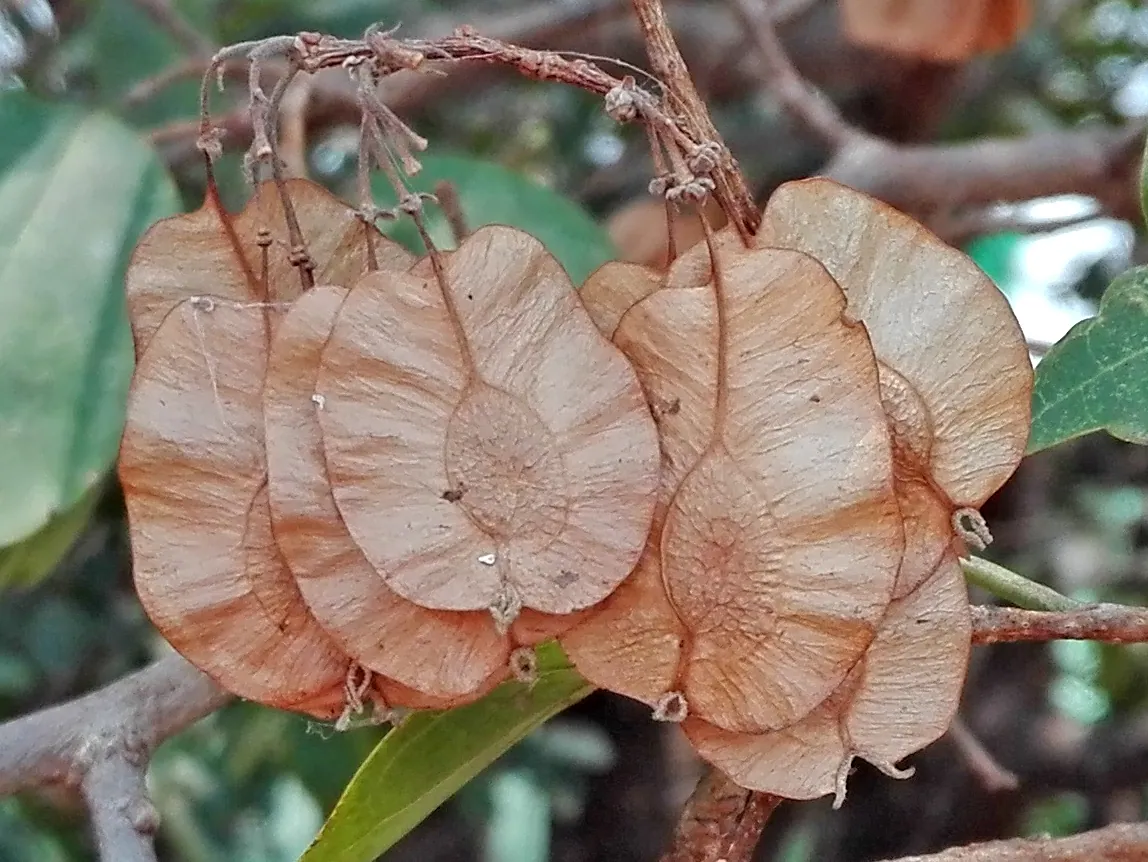
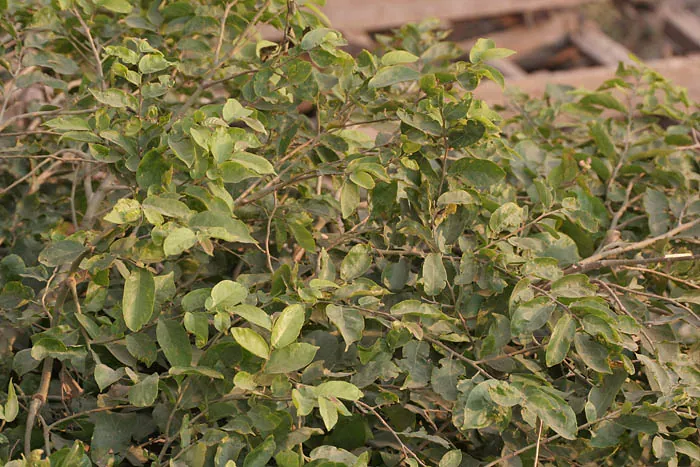
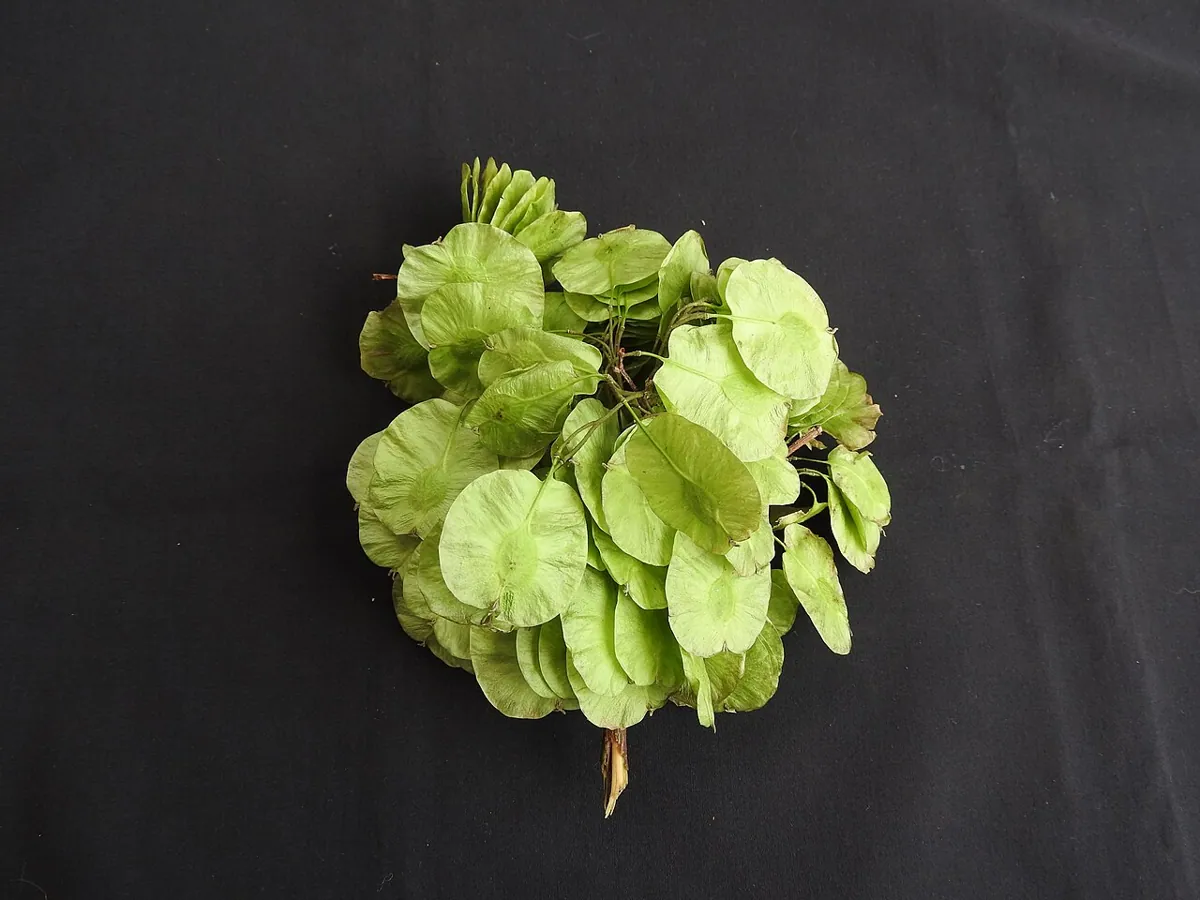
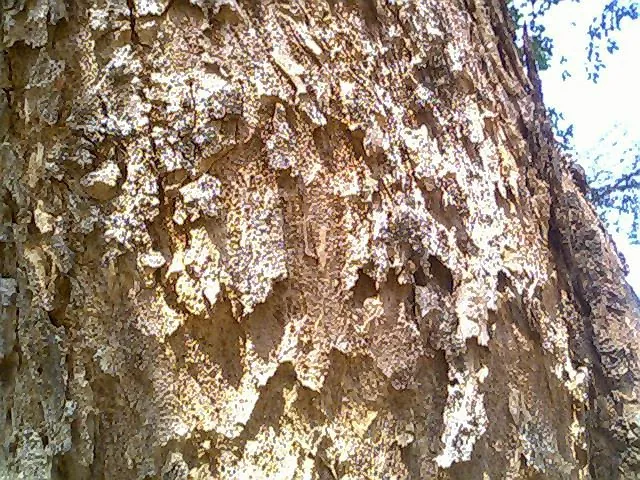
Elm-like leaves; winged round fruits.
Growing it at home
Forest tree.
Questions people ask
Is it common?
Yes, in Vidarbha forests.
Want to know whether this herb suits your body type? Speak to a Parijatak vaidya.Book a consultation
This page is general information from classical Ayurvedic texts and published research. It is not a prescription. Herbs act differently in different people; take any herb only after a qualified vaidya examines you, and do not stop prescribed medicines.