
Chandana
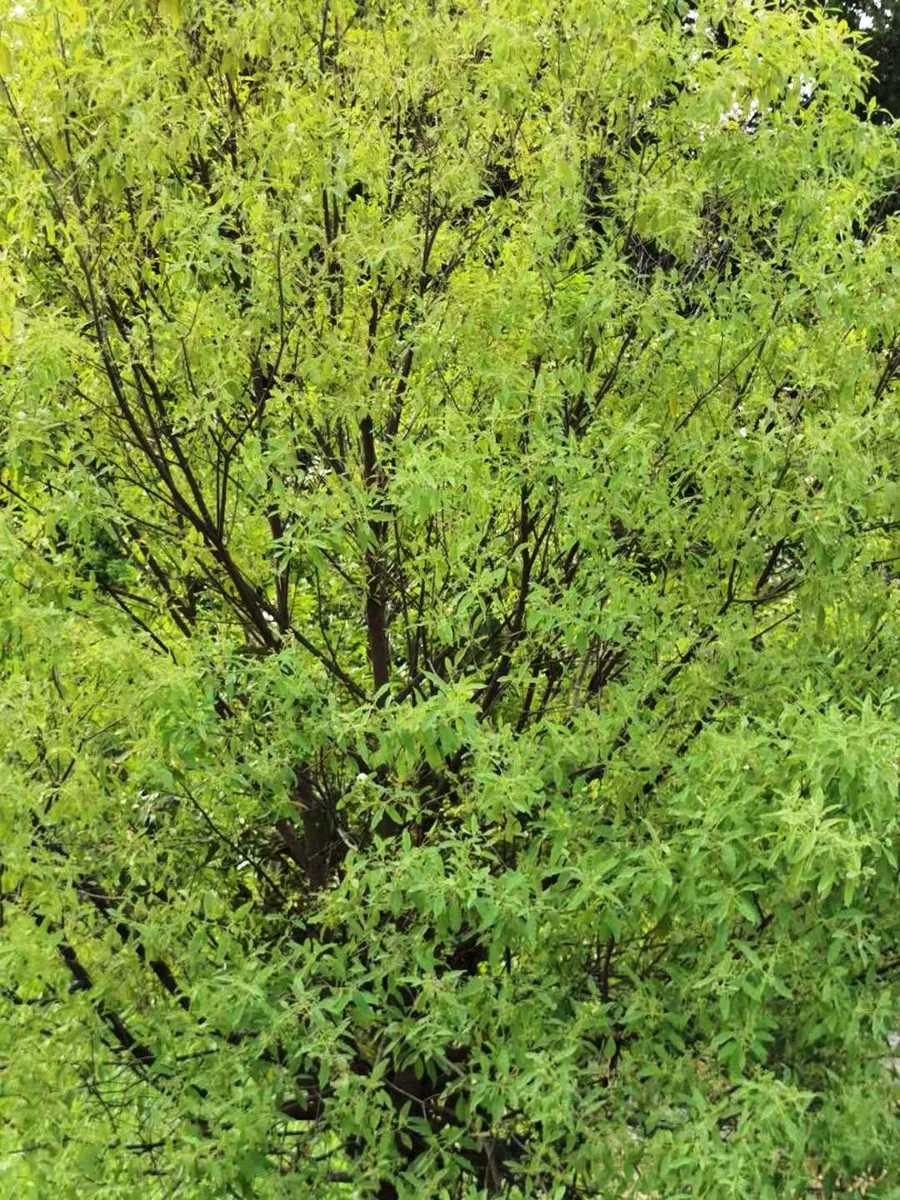
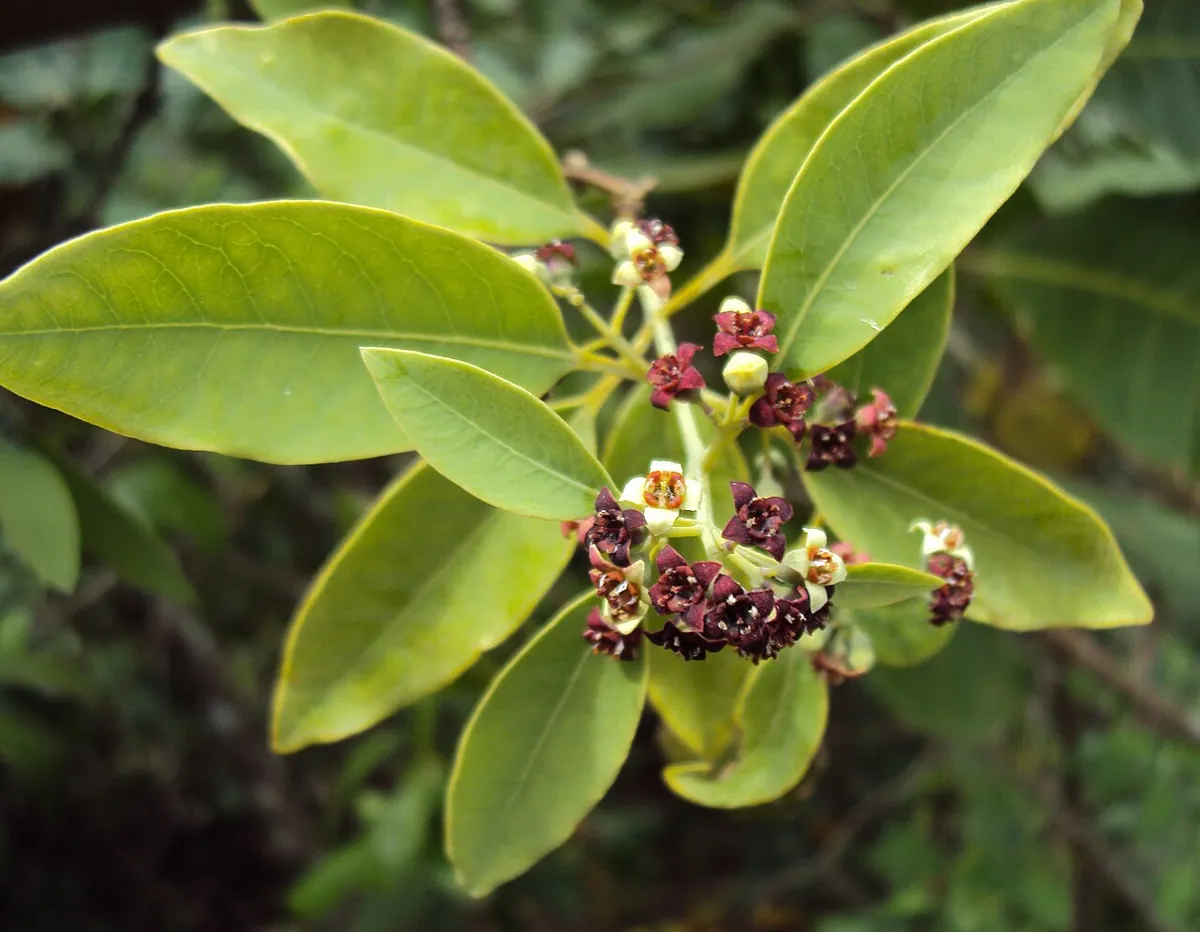
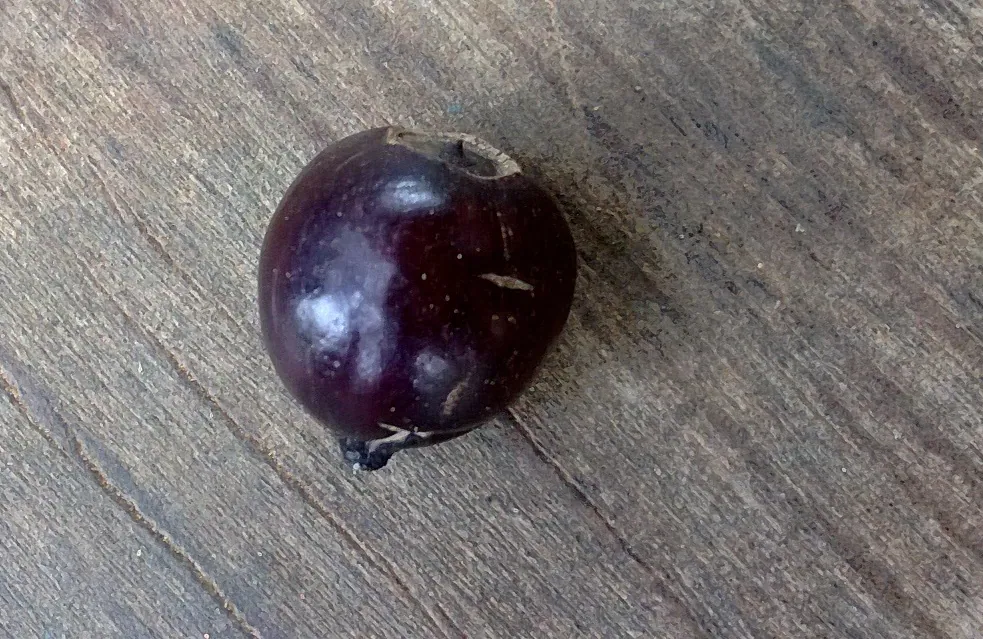
Chandana (sandalwood) is Ayurveda's most cooling fragrant wood: used for burning, fever, skin, thirst and calm.
About Chandana
Sandalwood is the fragrant heartwood of a slow-growing tree of the dry hills of Karnataka and Tamil Nadu. It is precious and heavily adulterated. Its paste is applied to the forehead in worship and in fever.
Shloka from Bhavaprakasha Nighantu
श्रीखण्डं शीतलं रूक्षं तिक्तमाह्लादनं लघु। श्रमशोषविषश्लेष्मतृष्णापित्तास्रदाहनुत्॥
śrīkhaṇḍaṃ śītalaṃ rūkṣaṃ tiktamāhlādanaṃ laghu| śramaśoṣaviṣaśleṣmatṛṣṇāpittāsradāhanut||
Meaning: Shrikhanda (sandalwood) is cold, dry, bitter, delightful and light. It removes fatigue, wasting, poison, Kapha, thirst, Pitta, blood disorders and burning.
Bhavaprakasha Nighantu, Karpuradi varga
In the classical texts
- Charaka Samhita (Sutrasthana 4)Included in the Varnya, Kandughna, Dahaprashamana and Trishnanigrahana groups.
- Bhavaprakasha Nighantu (Karpuradi varga)Described with the shloka above.
- Classical formulasChandanasava for burning urination and Chandanadi taila.
Synonyms (paryaya)
श्रीखण्ड,गन्धसार,मलयज
śrīkhaṇḍa,gandhasāra,malayaja
Classical indications
आह्लादितकर, शोष, विष, श्लेष्मा, पित्त, रक्त, दाहहर
āhlāditakara, śoṣa, viṣa, śleṣmā, pitta, rakta, dāhahara
Effect on the three doshas
How vaidyas use it in practice
- Sandalwood paste on the forehead in fever and headache from heat.
- Chandanasava for burning urination.
- In face packs for acne and pigmentation.
- Sandal water for thirst in summer.
Simple home uses
- Sandalwood paste with rose water as a cooling face pack.
For minor complaints only. If a problem lasts more than a few days or is severe, see a doctor.
Well-known formulations
चन्दनादि-चूर्ण-वटी-चन्दनासव
candanādi-cūrṇa-vaṭī-candanāsava
What science says
Sandalwood oil contains alpha- and beta-santalol. Studies show anti-inflammatory and calming effects; it is used in dermatology for acne and inflammation.
Safety and cautions
Generally safe externally. Market 'sandalwood' is often fake; oil may cause skin allergy.
Who should not take it
- Skin allergy to sandalwood
How to identify it, and common adulterants
Genuine sandalwood is pale yellow-brown, heavy, with a lasting sweet woody smell. Fake products use other woods with synthetic fragrance.
Growing it at home
A semi-parasitic tree needing host plants; it can be grown in Vidarbha but is protected and needs permits to harvest.
Questions people ask
Is red sandal the same?
No. Rakta Chandana (Pterocarpus santalinus) is a different, unscented wood.
Is sandal good for acne?
Yes, externally.
This page is general information from classical Ayurvedic texts and published research. It is not a prescription. Herbs act differently in different people; take any herb only after a qualified vaidya examines you, and do not stop prescribed medicines.