
Bilva
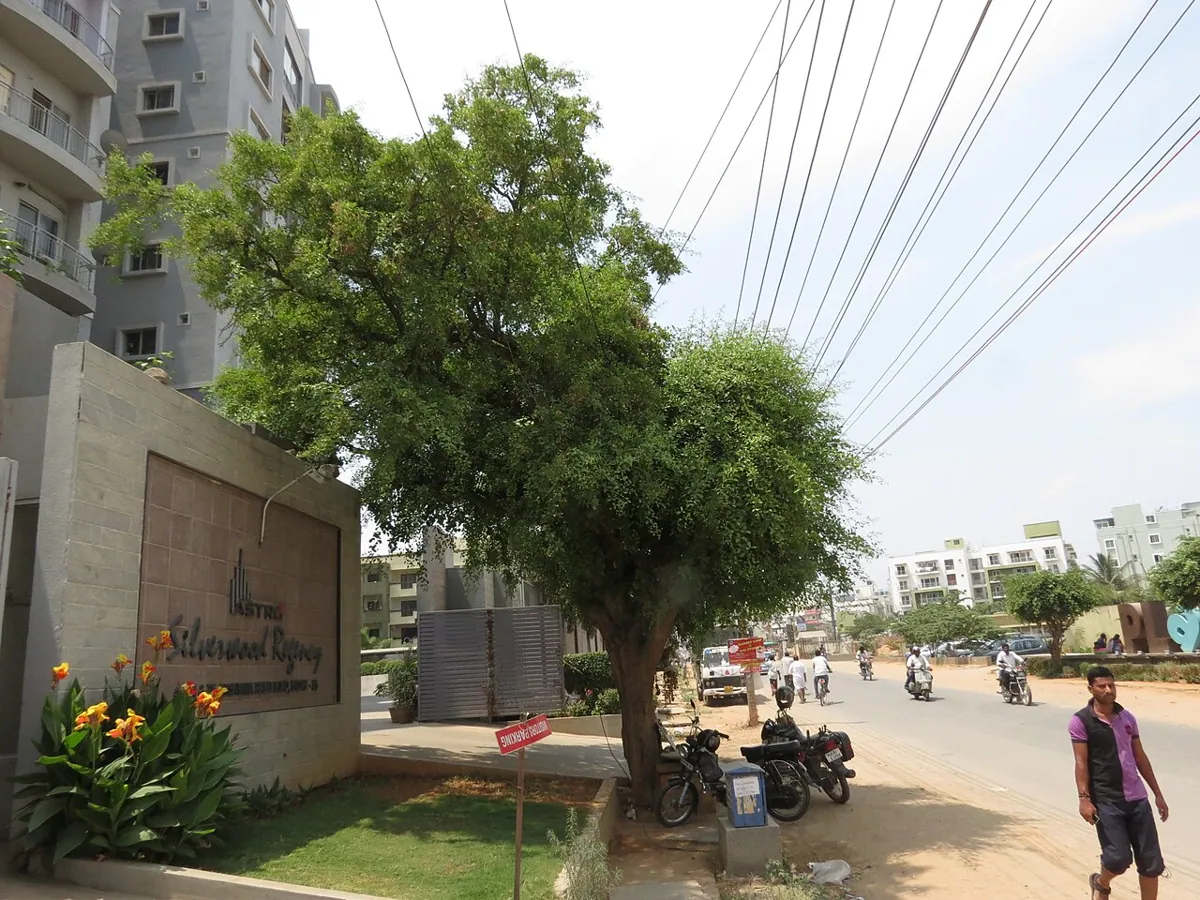
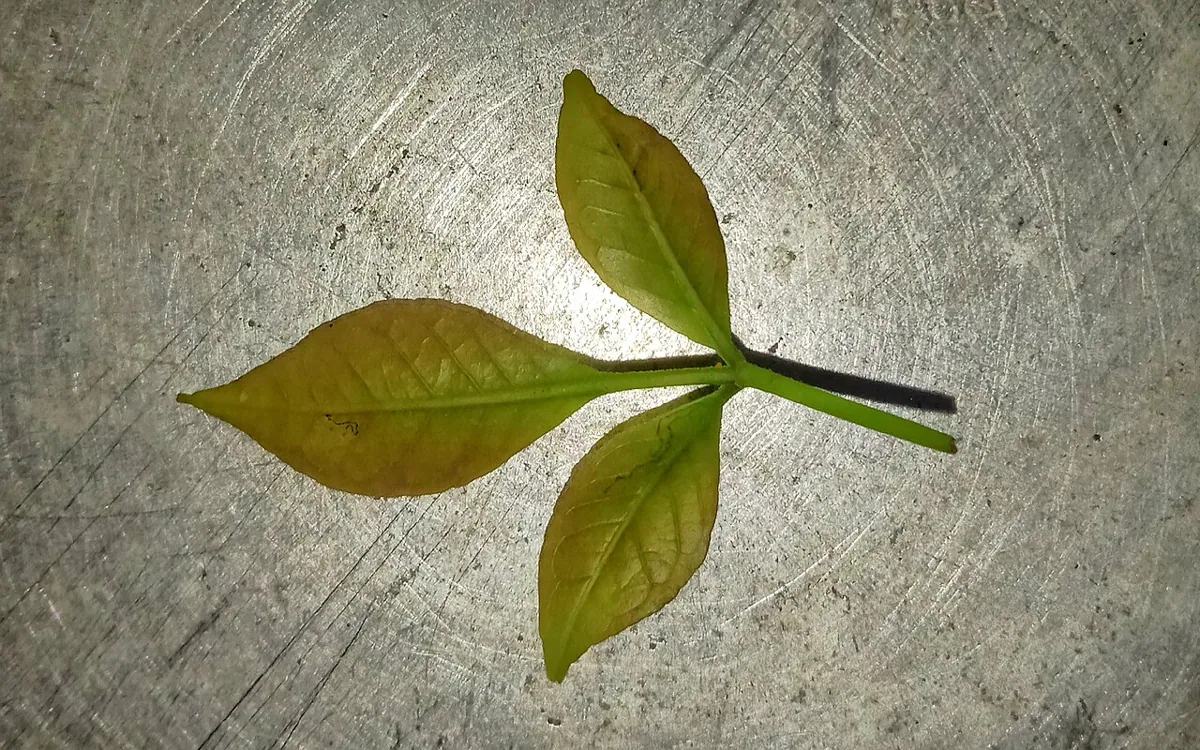
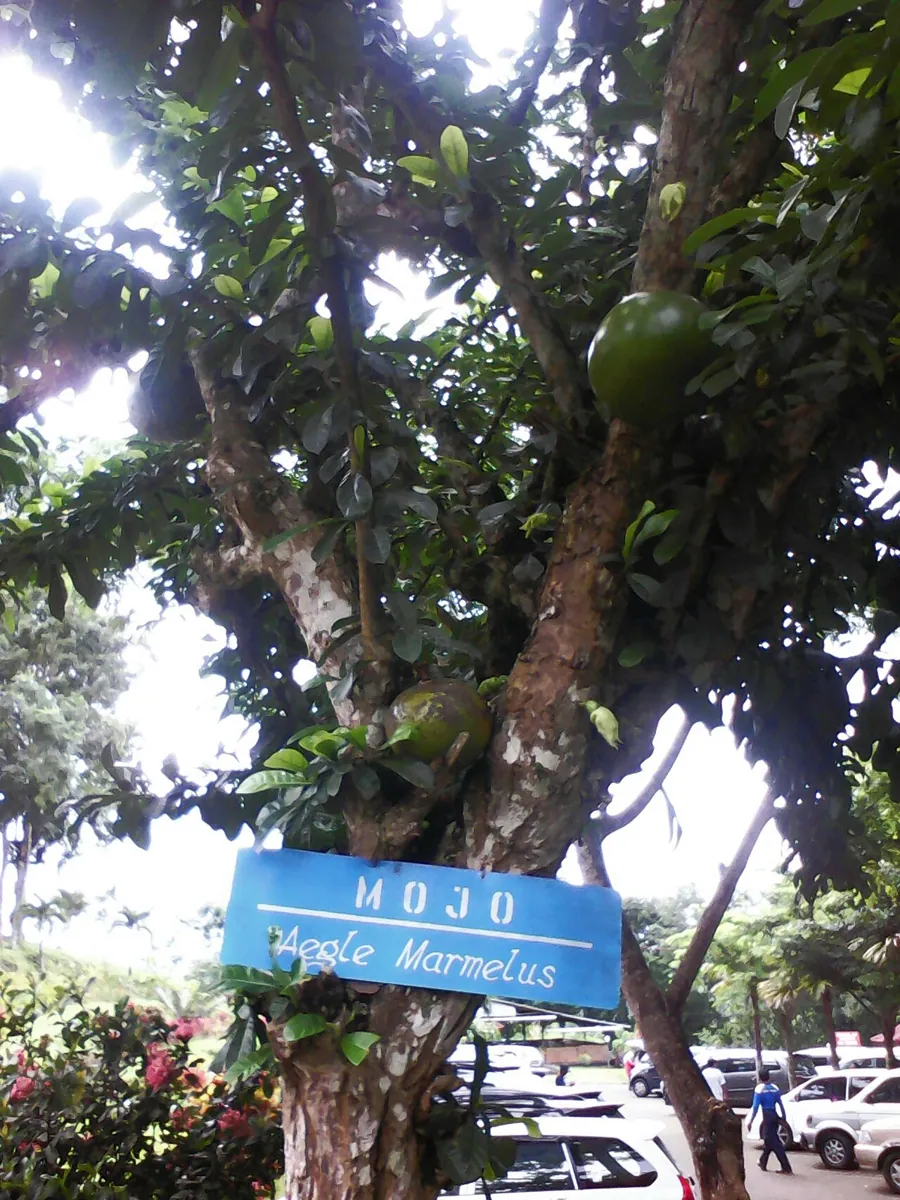
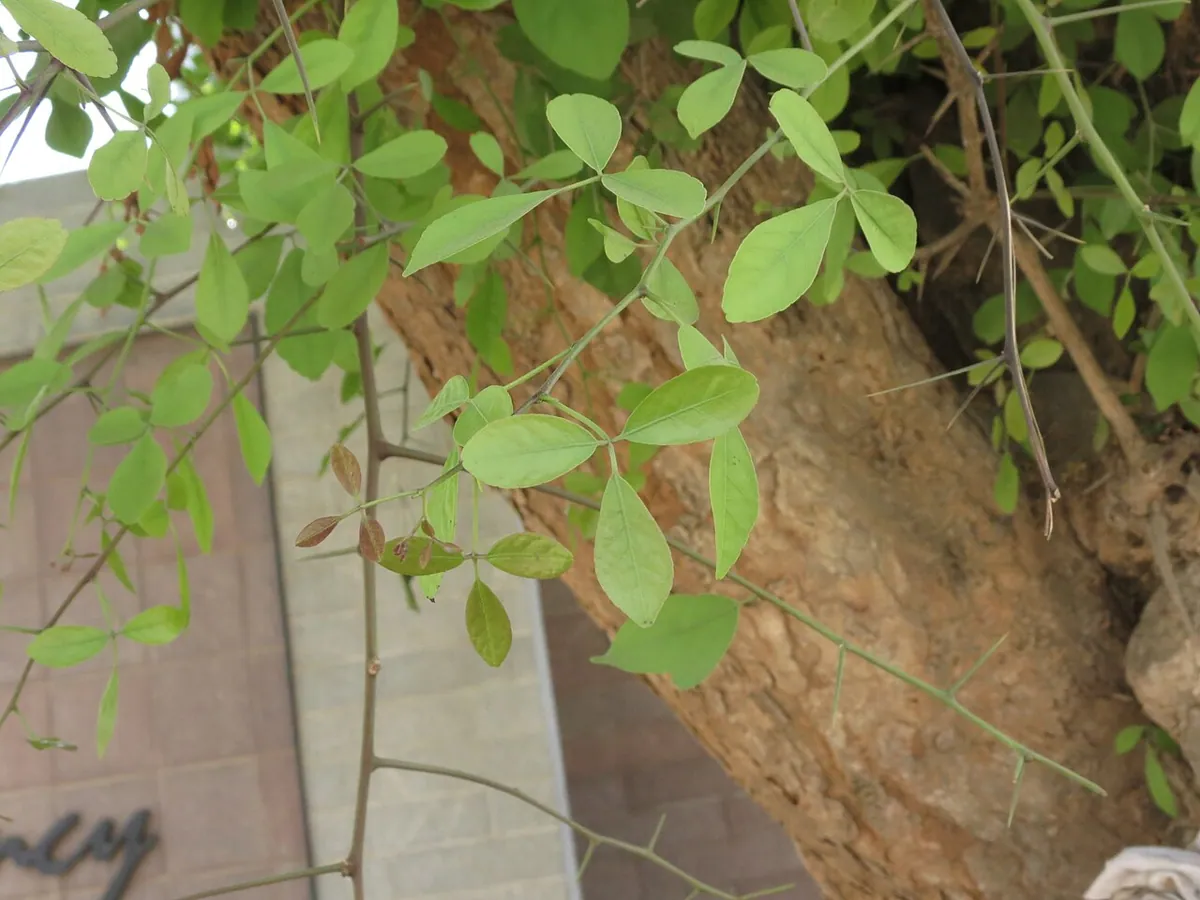
Bilva (bael) is the sacred tree whose unripe fruit is Ayurveda's leading medicine for diarrhoea and dysentery, and whose root is part of Dashamula.
About Bilva
Bilva is a thorny deciduous tree of dry forests and temple grounds across India, sacred to Shiva. Its leaves are offered in worship, its ripe fruit pulp makes a cooling summer drink, and its unripe fruit and root are medicines. The root is one of the five roots of Brihat Panchamula.
Shloka from Bhavaprakasha Nighantu
बालं बिल्वफलं ग्राहि दीपनं पाचनं कटु। कषायोष्णं लघु स्निग्धं तिक्तं वातकफापहम्॥
bālaṃ bilvaphalaṃ grāhi dīpanaṃ pācanaṃ kaṭu| kaṣāyoṣṇaṃ laghu snigdhaṃ tiktaṃ vātakaphāpaham||
Meaning: The young (unripe) Bilva fruit is binding, kindles and digests; it is pungent, astringent, hot, light, unctuous and bitter, and removes Vata and Kapha.
Bhavaprakasha Nighantu, Guduchyadi varga
In the classical texts
- Charaka Samhita (Sutrasthana 4)The root is in the Shvayathuhara (anti-swelling) group and in Brihat Panchamula.
- Charaka Samhita (Sutrasthana 25)Bilva is named the best binding and appetising herb for diarrhoea (sangrahi).
- Bhavaprakasha Nighantu (Guduchyadi varga)Says the unripe fruit is binding and digestive while the ripe fruit is heavy and harder to digest.
Synonyms (paryaya)
श्रीफल,शोण्डिल्य,शैलूष,मालूर,गन्धगर्भ,सदाफल,महाकपित्थ,ग्रन्थिल,बेल
śrīphala,śoṇḍilya,śailūṣa,mālūra,gandhagarbha,sadāphala,mahākapittha,granthila,bela
Classical indications
अपक्व-ग्राही, अग्निवर्धक, पित्तकारक, कफनाशक, बलकारक, आन्त्रबलकारक
apakva-grāhī, agnivardhaka, pittakāraka, kaphanāśaka, balakāraka, āntrabalakāraka
Effect on the three doshas
How vaidyas use it in practice
- Unripe bael fruit powder (Bilva churna) or Bilvadi leha in diarrhoea and dysentery.
- Ripe bael sherbet in summer for heat and mild constipation.
- Bilva leaf juice in blood-sugar care, alongside the doctor's treatment.
- Dashamula (with Bilva root) in Vata disorders, fever and post-delivery care.
- Bilva in IBS with loose stools, as decided by the vaidya.
Simple home uses
- Ripe bael sherbet in summer.
- A teaspoon of unripe bael powder with buttermilk for loose stools.
For minor complaints only. If a problem lasts more than a few days or is severe, see a doctor.
Well-known formulations
बिल्वपंचक क्वाथ, बिल्वादि चूर्ण, बिल्वतैल
bilvapaṃcaka kvātha, bilvādi cūrṇa, bilvataila
What science says
Bael contains marmelosin (imperatorin), marmin, tannins, pectin and alkaloids such as aegeline. Laboratory and animal studies show anti-diarrhoeal, antimicrobial and blood-sugar-lowering effects. Clinical trials are few.
Safety and cautions
The unripe fruit can cause constipation if overused. People on diabetes medicines should monitor sugar when taking bael leaf. Ask your doctor before use in pregnancy.
Who should not take it
- Constipation (unripe fruit)
- On diabetes medicines without sugar monitoring (leaf)
- Pregnancy (medicinal doses)
How to identify it, and common adulterants
The fruit has a hard woody shell and aromatic orange pulp. Dried unripe slices sold as Bilva should be reddish-brown, hard and aromatic, not mouldy.
Growing it at home
A hardy, thorny tree for dry soils. Plant a grafted sapling in the monsoon; it fruits in 4–5 years.
Questions people ask
Is ripe or unripe bael used for diarrhoea?
The unripe (or half-ripe) fruit is used for diarrhoea; the ripe fruit is a mild laxative and cooling food.
Which part of Bilva goes into Dashamula?
The root.
This page is general information from classical Ayurvedic texts and published research. It is not a prescription. Herbs act differently in different people; take any herb only after a qualified vaidya examines you, and do not stop prescribed medicines.