
Bibhitaka
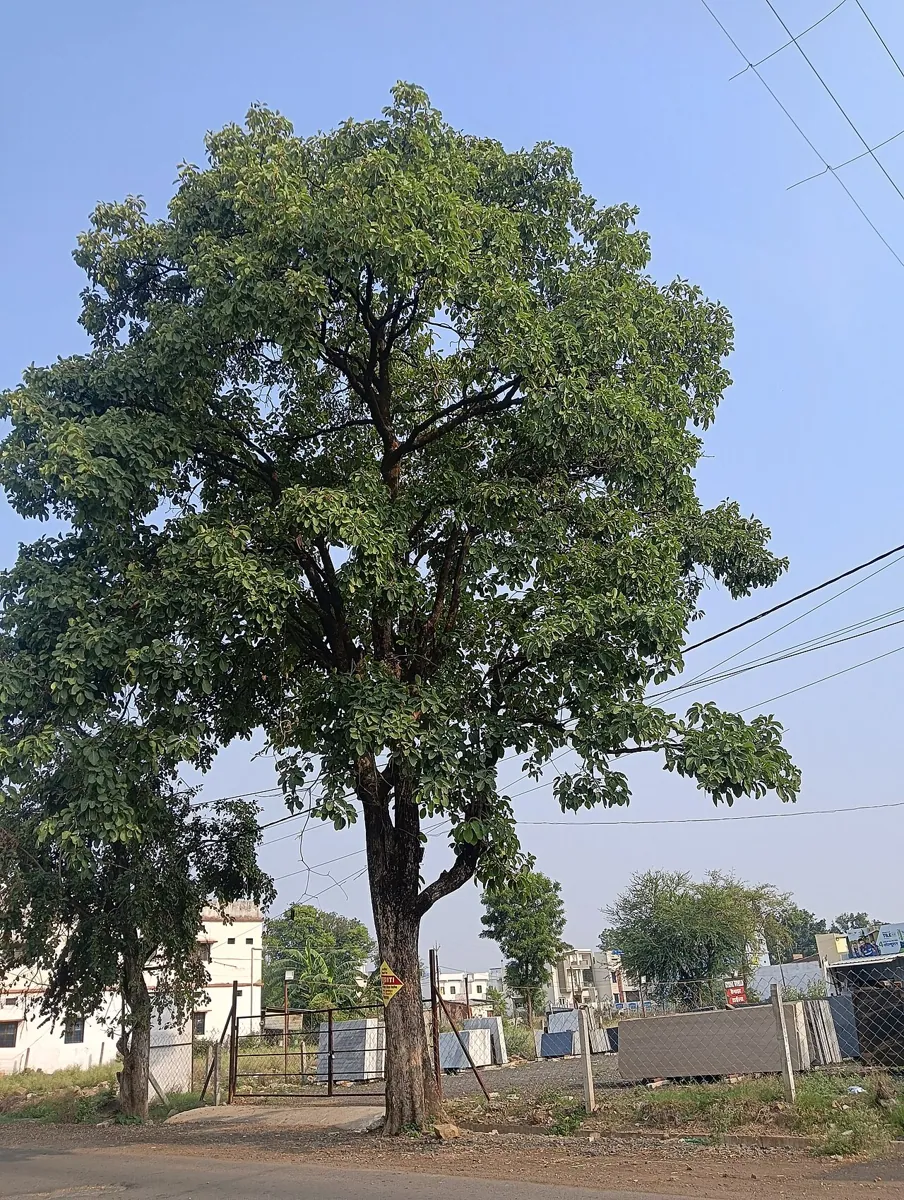
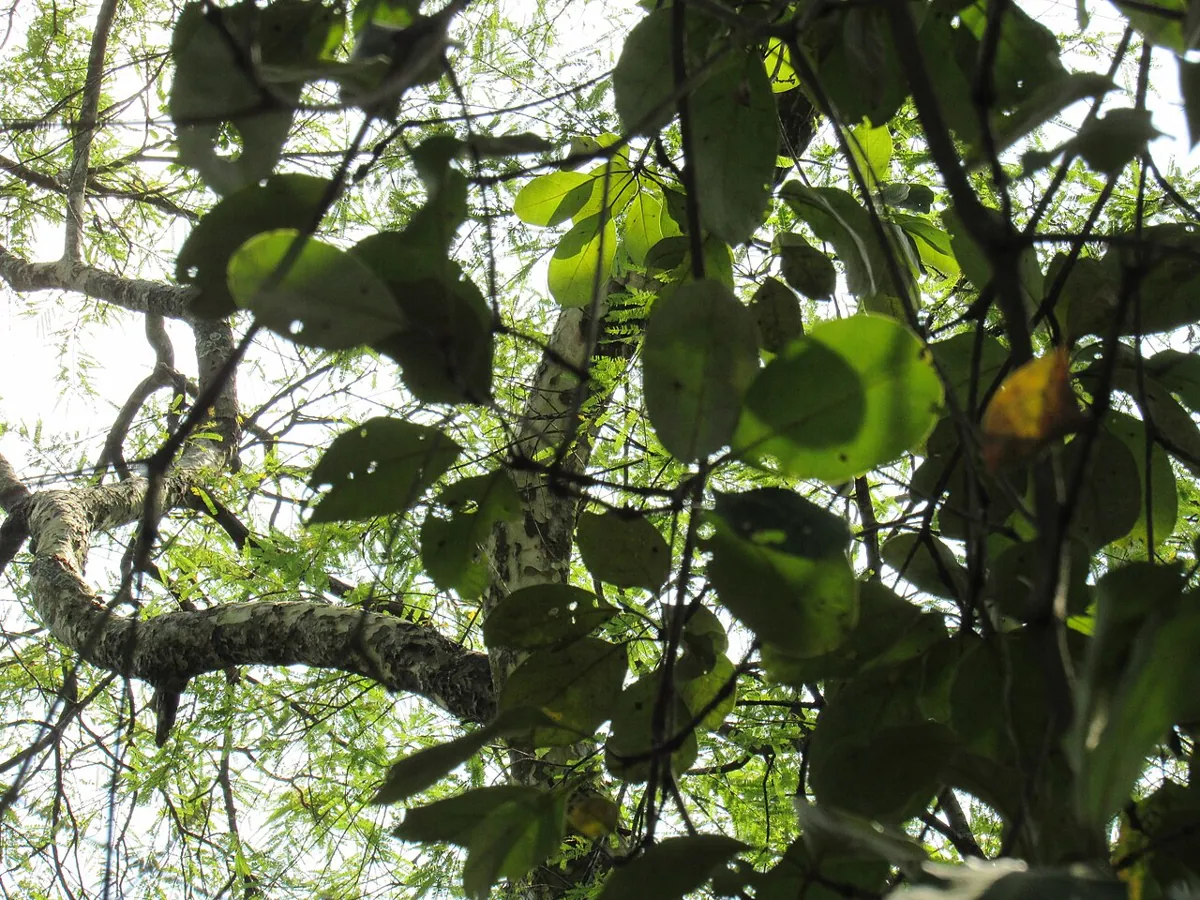
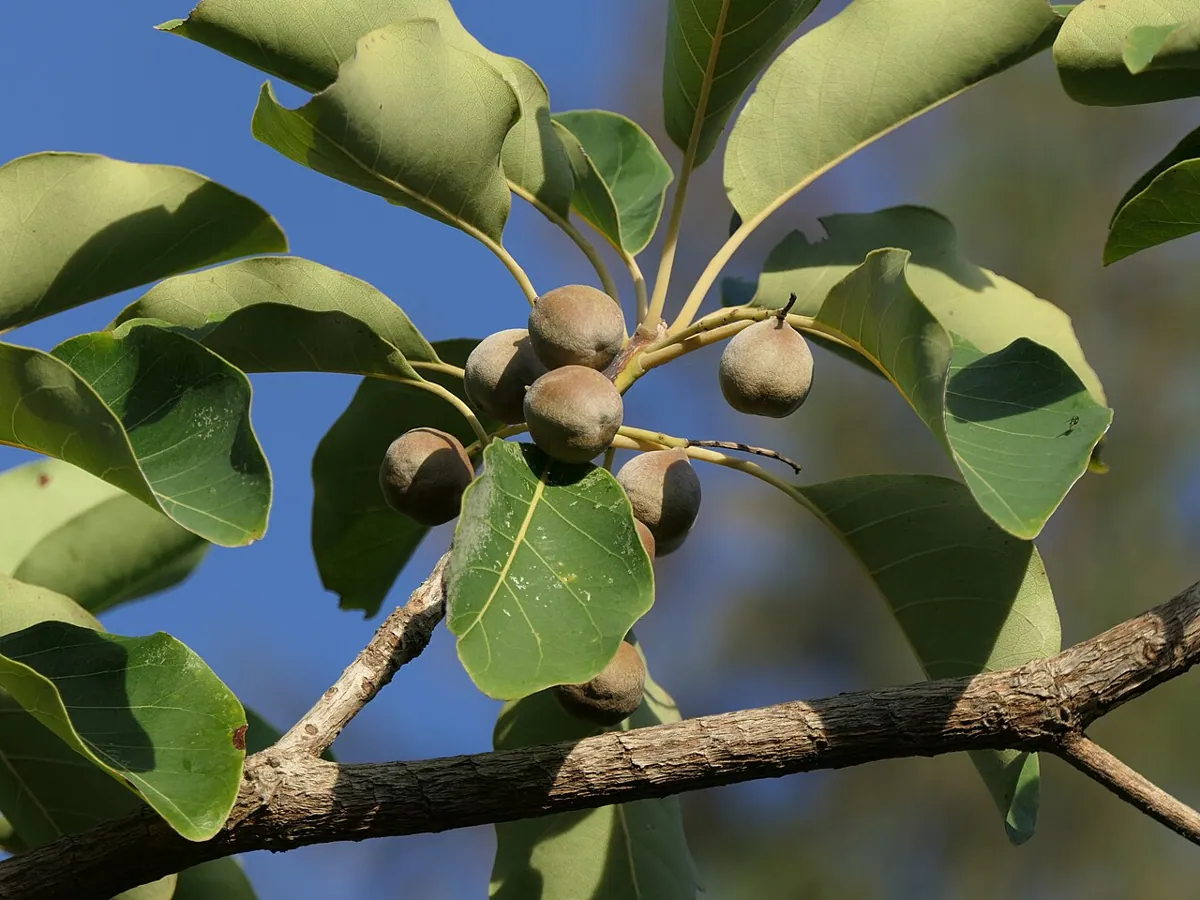
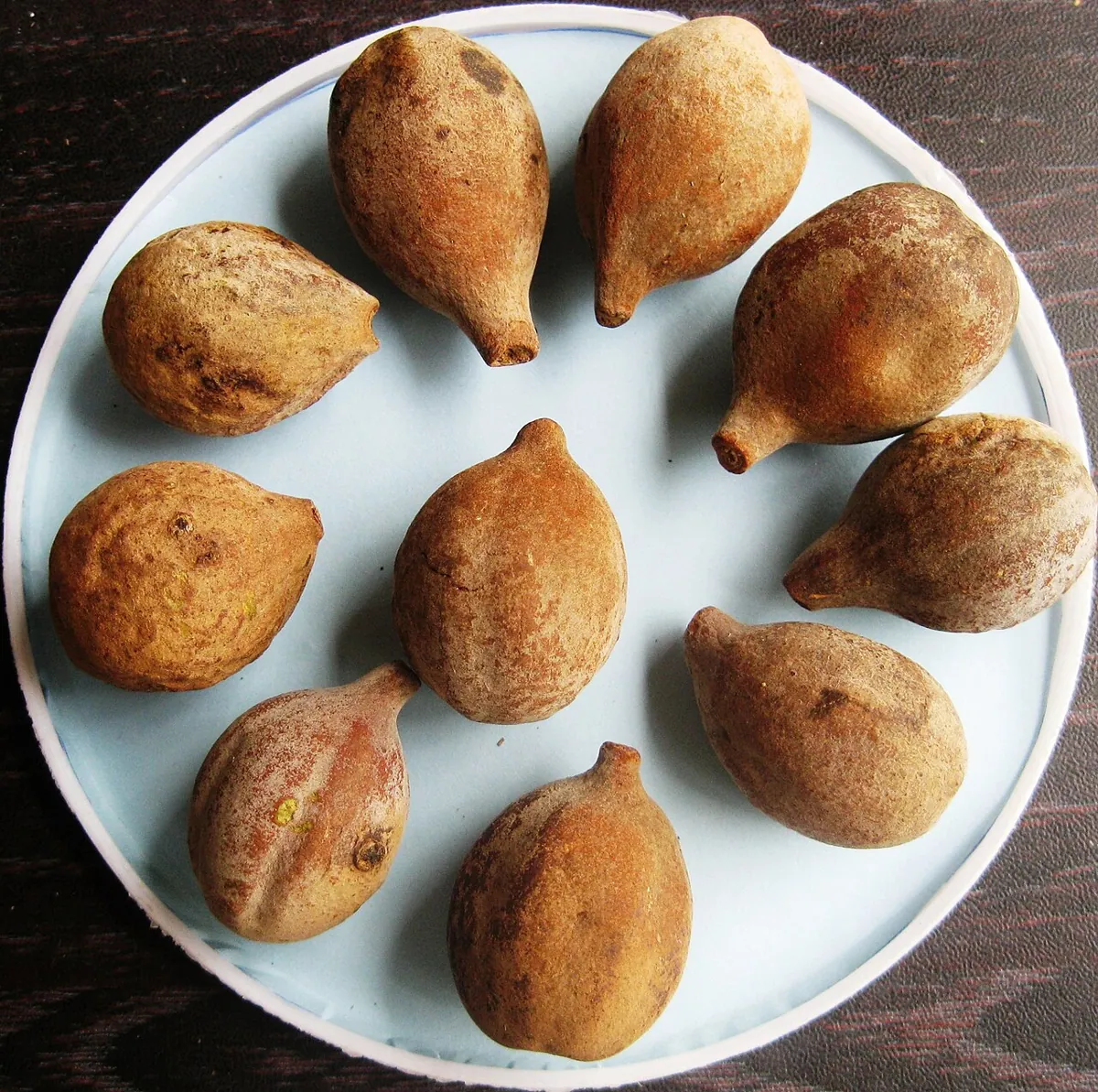
Bibhitaka (baheda) is the second fruit of Triphala: astringent, heating in potency, and used for cough, voice, eyes, hair and Kapha conditions.
About Bibhitaka
Bibhitaka is the dried fruit of a tall deciduous tree found across the forests of central India, including Vidarbha. The name means 'the one that removes fear (of disease)'. It is one of the three fruits of Triphala, alongside Haritaki and Amalaki, and is valued especially for the respiratory tract and the eyes.
Shloka from Bhavaprakasha Nighantu
बिभीतकं स्वादुपाकं कषायं कफपित्तनुत्। उष्णवीर्यं हिमस्पर्शं भेदनं कासनाशनम्॥
bibhītakaṃ svādupākaṃ kaṣāyaṃ kaphapittanut| uṣṇavīryaṃ himasparśaṃ bhedanaṃ kāsanāśanam||
रूक्षं नेत्रहितं केश्यं कृमिवैस्वर्यनाशनम्॥
rūkṣaṃ netrahitaṃ keśyaṃ kṛmivaisvaryanāśanam||
Meaning: Bibhitaka is sweet after digestion and astringent; it removes Kapha and Pitta. It is hot in potency but cold to the touch, laxative and removes cough. It is dry, good for the eyes and hair, and removes worms and hoarseness of voice.
Bhavaprakasha Nighantu, Haritakyadi varga
In the classical texts
- Charaka Samhita (Sutrasthana 4)Included in the Jvaraghna (fever) and Virechanopaga (aiding purgation) mahakashayas.
- Bhavaprakasha Nighantu (Haritakyadi varga)Described with Haritaki and Amalaki as one of the three fruits; its seed kernel (majja) is said to relieve thirst and vomiting.
- Ashtanga HridayaTriphala, which includes Bibhitaka, is the classic daily formula for eyes and for clearing the bowel.
Synonyms (paryaya)
कर्षफल,अक्ष,कलिद्रुम,बहेङा
karṣaphala,akṣa,kalidruma,baheṅā
Classical indications
भेदन, कास, नेत्ररोग, केश्य, कृमि, स्वरभेद, मदकारी
bhedana, kāsa, netraroga, keśya, kṛmi, svarabheda, madakārī
Effect on the three doshas
How vaidyas use it in practice
- Bibhitaka powder with honey for productive cough and hoarse voice.
- Roasted fruit pulp kept in the mouth for sore throat and loss of voice, a traditional household practice.
- As part of Triphala at night for constipation and as Triphala eye-wash, only as the vaidya shows.
- Triphala oil and Bibhitaka-containing hair oils for hair care.
- Lavangadi vati and Talisadi churna contain related herbs for cough; the vaidya chooses the formula.
Simple home uses
- A pinch of Bibhitaka powder with honey for productive cough.
- Keep a piece of roasted Baheda in the mouth for a hoarse voice.
For minor complaints only. If a problem lasts more than a few days or is severe, see a doctor.
Well-known formulations
तालिसादि चूर्ण, लंवगादि वटी
tālisādi cūrṇa, laṃvagādi vaṭī
What science says
The fruit contains tannins (gallic acid, ellagic acid, chebulagic acid), lignans and flavonoids. Laboratory studies show antioxidant, antibacterial and liver-protective effects, and Triphala as a whole has been studied for constipation and dental plaque. Studies on Bibhitaka alone in people are few.
Safety and cautions
Generally safe in usual doses. Large amounts can cause dryness and constipation in some people and loose stools in others. The seed kernel is said to be mildly intoxicating in excess. Avoid medicinal doses in pregnancy unless prescribed.
Who should not take it
- Pregnancy (medicinal doses)
- Dry cough with a parched throat (unless combined with soothing herbs)
How to identify it, and common adulterants
Dried fruits are grey-brown, round to oval with a velvety skin and a hard stone. They are lighter than Haritaki and have a soft, slightly sweet-astringent pulp.
Growing it at home
A tall forest tree for large spaces, common in Vidarbha forests. Plant saplings in the monsoon.
Questions people ask
Is Bibhitaka hot or cold?
Hot in potency (ushna virya) but cold to the touch, as Bhavaprakasha says. That is why it suits Kapha conditions such as cough.
Can Bibhitaka be taken alone?
Yes, it is used alone for cough and voice. For bowel and eye care it is usually given as Triphala.
This page is general information from classical Ayurvedic texts and published research. It is not a prescription. Herbs act differently in different people; take any herb only after a qualified vaidya examines you, and do not stop prescribed medicines.