
Bhumyamalaki
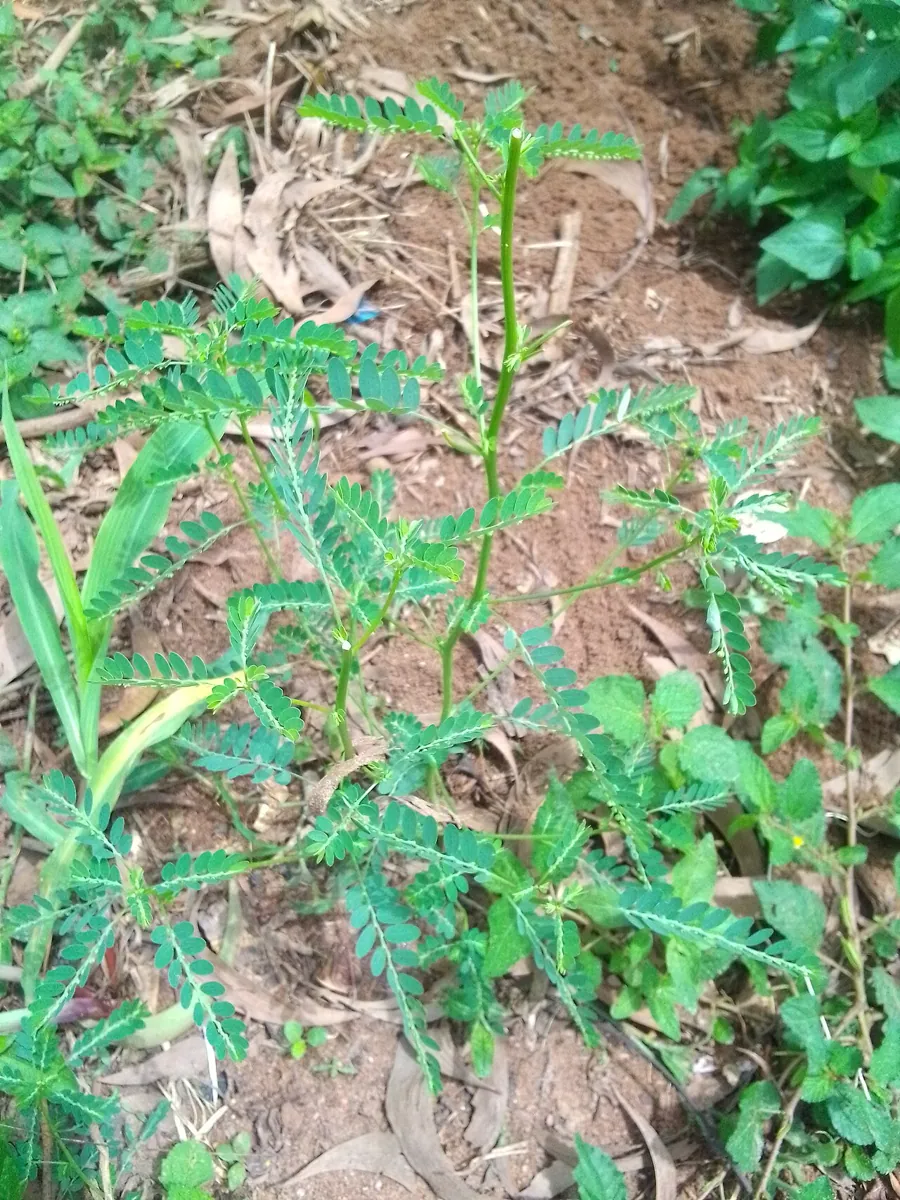
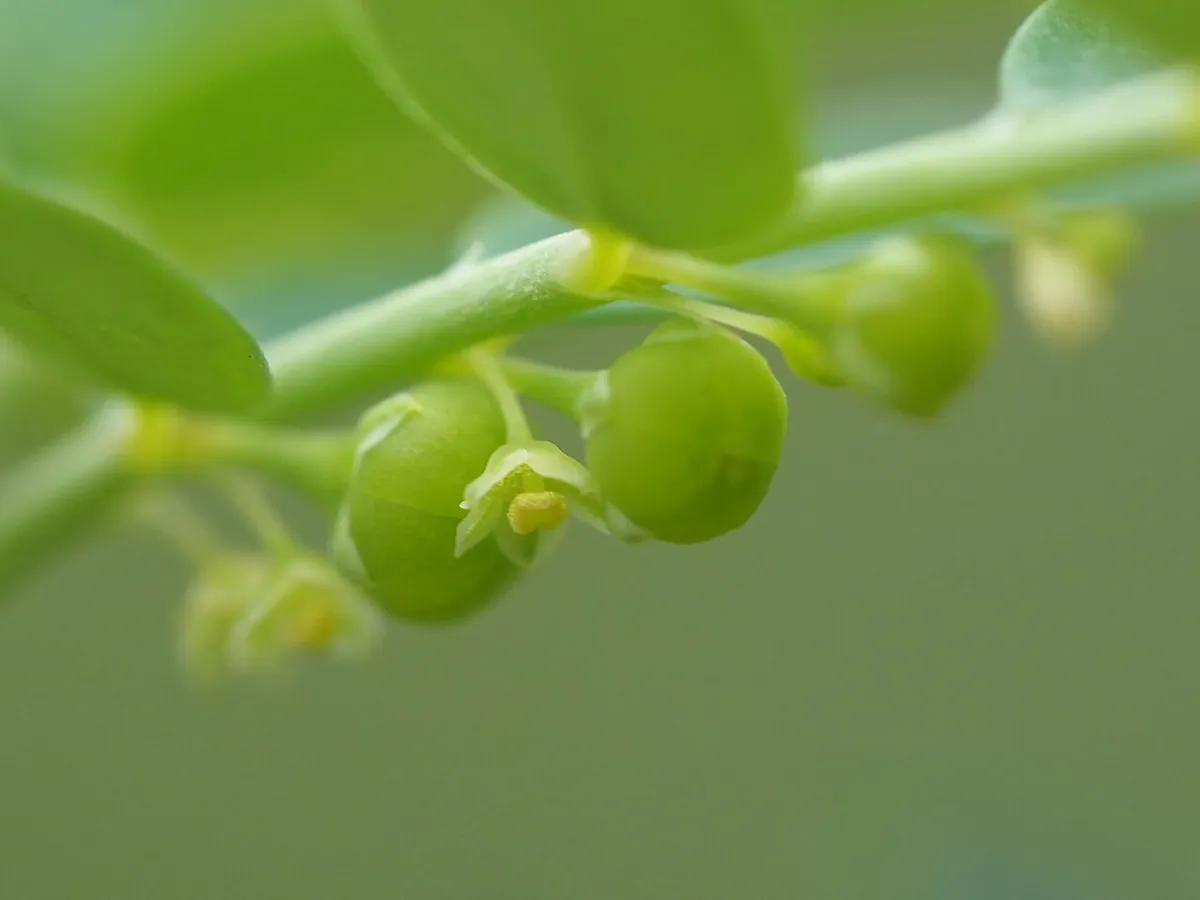
Bhumyamalaki (bhui amla) is a small bitter herb used in Ayurveda for liver health, jaundice, hepatitis and urinary stones.
About Bhumyamalaki
Bhumyamalaki is a small monsoon herb whose tiny fruits sit under the leaves like miniature amlas. It grows in every garden and field in the rains.
Shloka from Bhavaprakasha Nighantu
भूम्यामलकी तिक्ता कषाया मधुरा हिमा। पिपासाकासपित्तास्रकफकण्डूक्षतापहा॥
bhūmyāmalakī tiktā kaṣāyā madhurā himā| pipāsākāsapittāsrakaphakaṇḍūkṣatāpahā||
Meaning: Bhumyamalaki is bitter, astringent, sweet and cold. It removes thirst, cough, Pitta-Rakta disorders, Kapha, itching and injury.
Bhavaprakasha Nighantu
In the classical texts
- Charaka Samhita (Sutrasthana 4)Tamalaki is included in the Kasaghna group.
- Bhavaprakasha NighantuDescribed with the shloka above.
Synonyms (paryaya)
भूधात्री,तामलकी,बहुफला,भूमि,आंवला,
bhūdhātrī,tāmalakī,bahuphalā,bhūmi,āṃvalā,
Classical indications
तृषा, कास, कामला, हेपिटाइटिस विकारहर
tṛṣā, kāsa, kāmalā, hepiṭāiṭisa vikārahara
Effect on the three doshas
How vaidyas use it in practice
- Fresh juice or powder in jaundice and liver sluggishness, with medical tests.
- In urinary stones.
- In blood-sugar care.
Simple home uses
- Not a home remedy for jaundice; get tested first.
For minor complaints only. If a problem lasts more than a few days or is severe, see a doctor.
What science says
Contains lignans (phyllanthin, hypophyllanthin); studied in hepatitis B with mixed results, and in kidney stones.
Safety and cautions
Jaundice needs medical tests.
Who should not take it
- Pregnancy
- On diabetes medicines without monitoring
How to identify it, and common adulterants
Small herb with tiny fruits in rows under the leaflets.
Growing it at home
Comes up by itself in the monsoon.
Questions people ask
Does it cure hepatitis?
It is studied as support; hepatitis needs medical treatment.
This page is general information from classical Ayurvedic texts and published research. It is not a prescription. Herbs act differently in different people; take any herb only after a qualified vaidya examines you, and do not stop prescribed medicines.