
Bhallataka
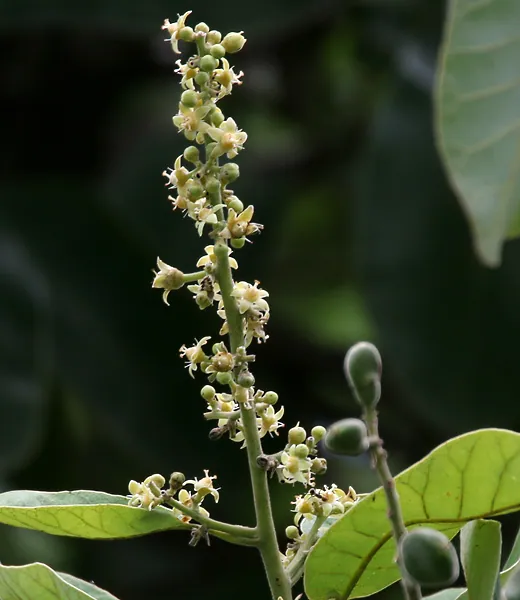
Bhallataka (marking nut) is a powerful, irritant rasayana used in Ayurveda for piles, skin disease, Vata and Kapha disorders, only after purification.
About Bhallataka
Bhallataka is the fruit of a deciduous tree common in central India. Its black, oily nut juice was used as laundry marking ink. It is extremely irritant and must be purified (shodhana) before medicinal use.
Shloka from Bhavaprakasha Nighantu
भल्लातकफलं पक्वं स्वादुपाकरसं लघु। कषायं पाचनं स्निग्धं तीक्ष्णोष्णं छेदि भेदनम्॥
bhallātakaphalaṃ pakvaṃ svādupākarasaṃ laghu| kaṣāyaṃ pācanaṃ snigdhaṃ tīkṣṇoṣṇaṃ chedi bhedanam||
मेध्यं वह्निकरं हन्ति कफवातव्रणोदरम्। कुष्ठार्शोग्रहणीगुल्मशोफानाहज्वरक्रिमीन्॥
medhyaṃ vahnikaraṃ hanti kaphavātavraṇodaram| kuṣṭhārśograhaṇīgulmaśophānāhajvarakrimīn||
Meaning: The ripe Bhallataka fruit is sweet in taste and after digestion, light, astringent, digestive, unctuous, sharp and hot, scraping and purgative. It is good for the intellect, kindles digestion, and removes Kapha, Vata, wounds, abdominal disease, skin disease, piles, grahani, gulma, swelling, bloating, fever and worms.
Bhavaprakasha Nighantu, Haritakyadi varga
In the classical texts
- Charaka Samhita (Chikitsasthana 1)Bhallataka rasayana, with careful rules and cautions.
- Charaka Samhita (Sutrasthana 25)Named the best among herbs for piles of a dry type.
- Bhavaprakasha Nighantu (Haritakyadi varga)Described with the shloka above.
Synonyms (paryaya)
अरुष्कर,अग्नि,शोफकृत,अग्निमुख
aruṣkara,agni,śophakṛta,agnimukha
Classical indications
शुक्रल, उदररोग, कुष्ठ, ग्रहणी, श्वित्र, अग्निमांद्य, कृमि, व्रण, अर्श, वातकफहर, विबन्ध
śukrala, udararoga, kuṣṭha, grahaṇī, śvitra, agnimāṃdya, kṛmi, vraṇa, arśa, vātakaphahara, vibandha
Effect on the three doshas
How vaidyas use it in practice
- Purified Bhallataka in Bhallatakadi formulas for piles and skin disease, under close supervision.
- Sanjivani vati contains purified Bhallataka.
- Never used raw.
Simple home uses
- Never use at home: the juice causes severe blisters and allergic reactions.
For minor complaints only. If a problem lasts more than a few days or is severe, see a doctor.
Well-known formulations
अमृतभल्लातक, तिलारुष्करयोग
amṛtabhallātaka, tilāruṣkarayoga
What science says
The nut shell oil contains urushiol-like phenols (bhilawanols, anacardic acids) that cause contact dermatitis. Laboratory studies show anti-inflammatory and anti-cancer effects.
Safety and cautions
Highly irritant: causes severe skin blisters, swelling and allergy. Only purified preparations from a licensed pharmacy, under a vaidya.
Who should not take it
- Pregnancy and breastfeeding
- Children
- High Pitta, bleeding, summer season
- Anyone with prior allergy
How to identify it, and common adulterants
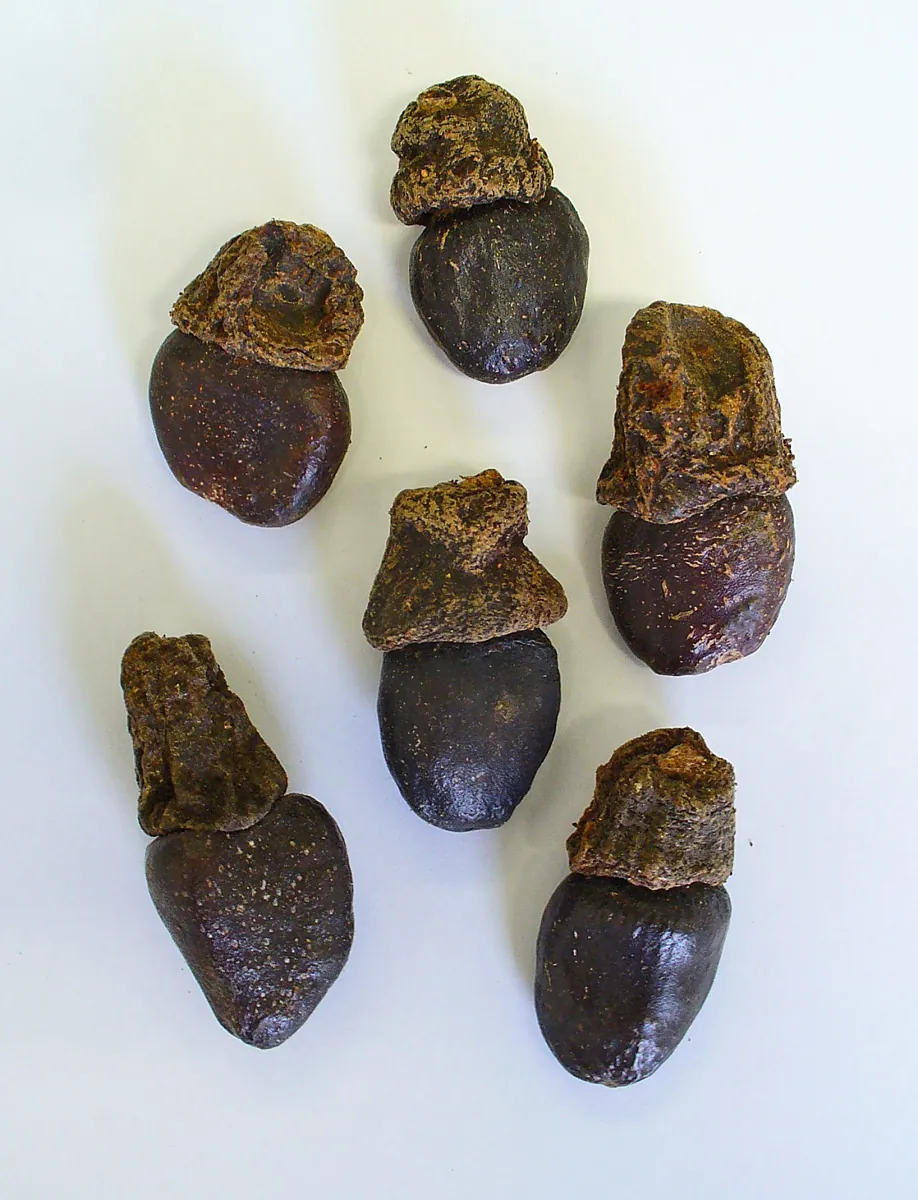
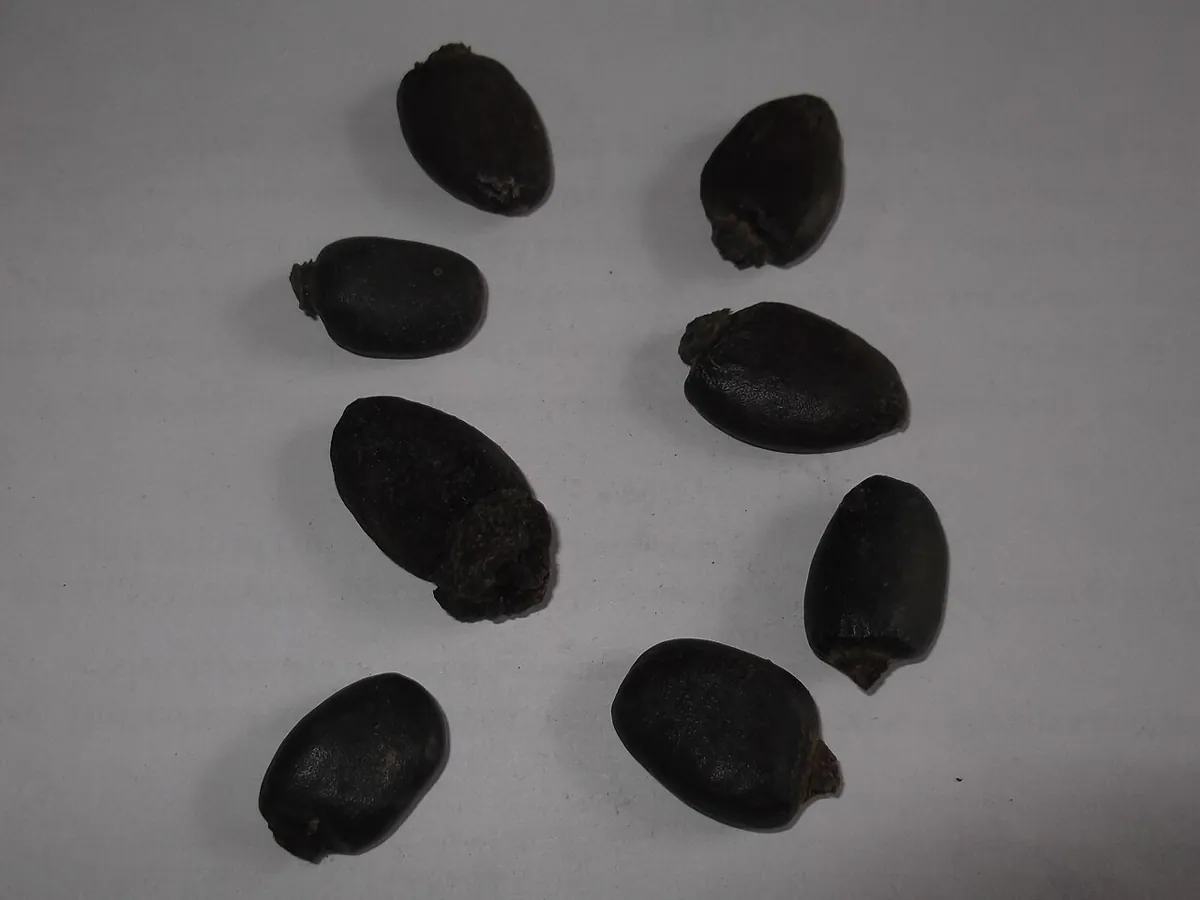
Heart-shaped black nuts with an orange fleshy stalk; the shell releases a black oily juice.
Growing it at home
A forest tree of central India; not for home planting near children.
Questions people ask
Why is Bhallataka dangerous?
Its oil causes severe blisters. Only purified forms are used, by experienced vaidyas.
This page is general information from classical Ayurvedic texts and published research. It is not a prescription. Herbs act differently in different people; take any herb only after a qualified vaidya examines you, and do not stop prescribed medicines.