
Bala
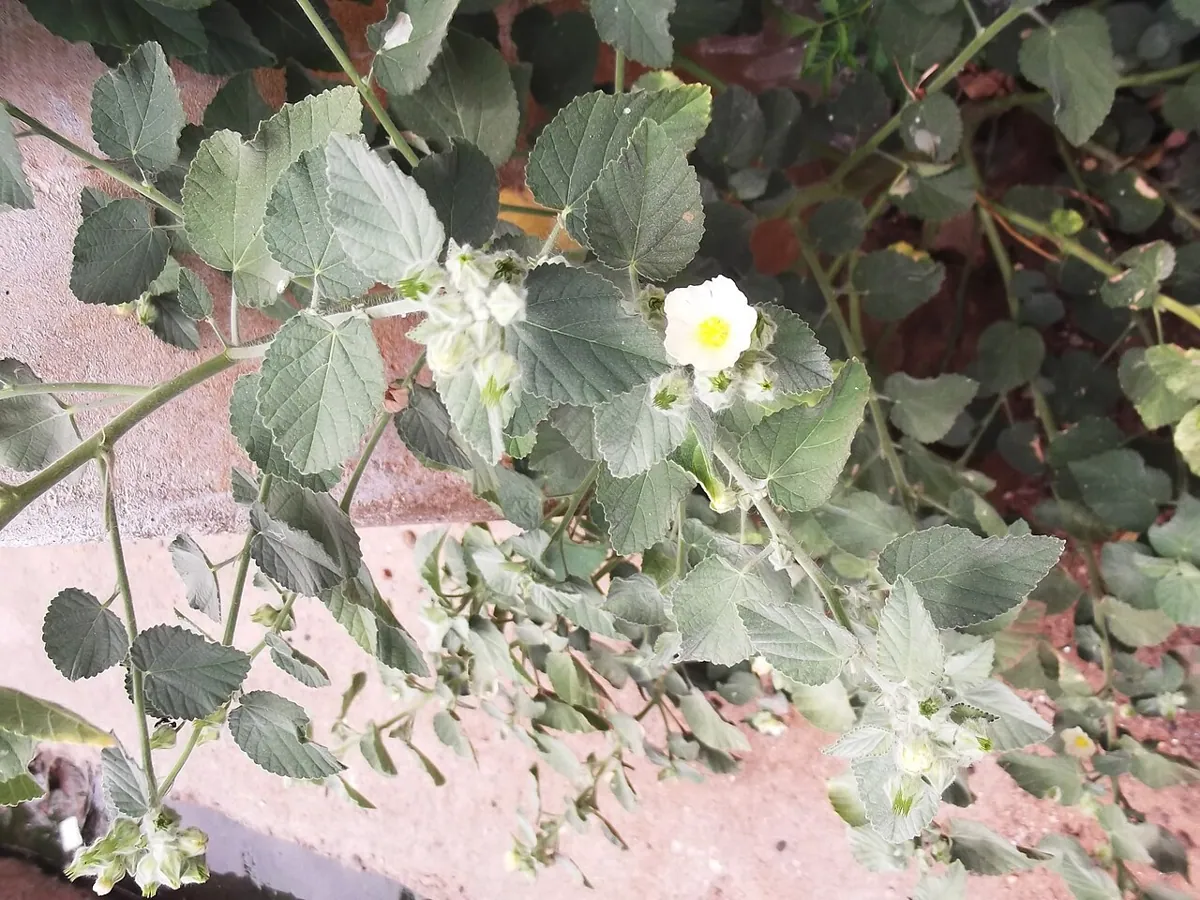
Bala ('strength') is a sweet, cooling Vata-pacifying root used in Ayurveda for weakness, nerve and muscle pain, and in many massage oils.
About Bala
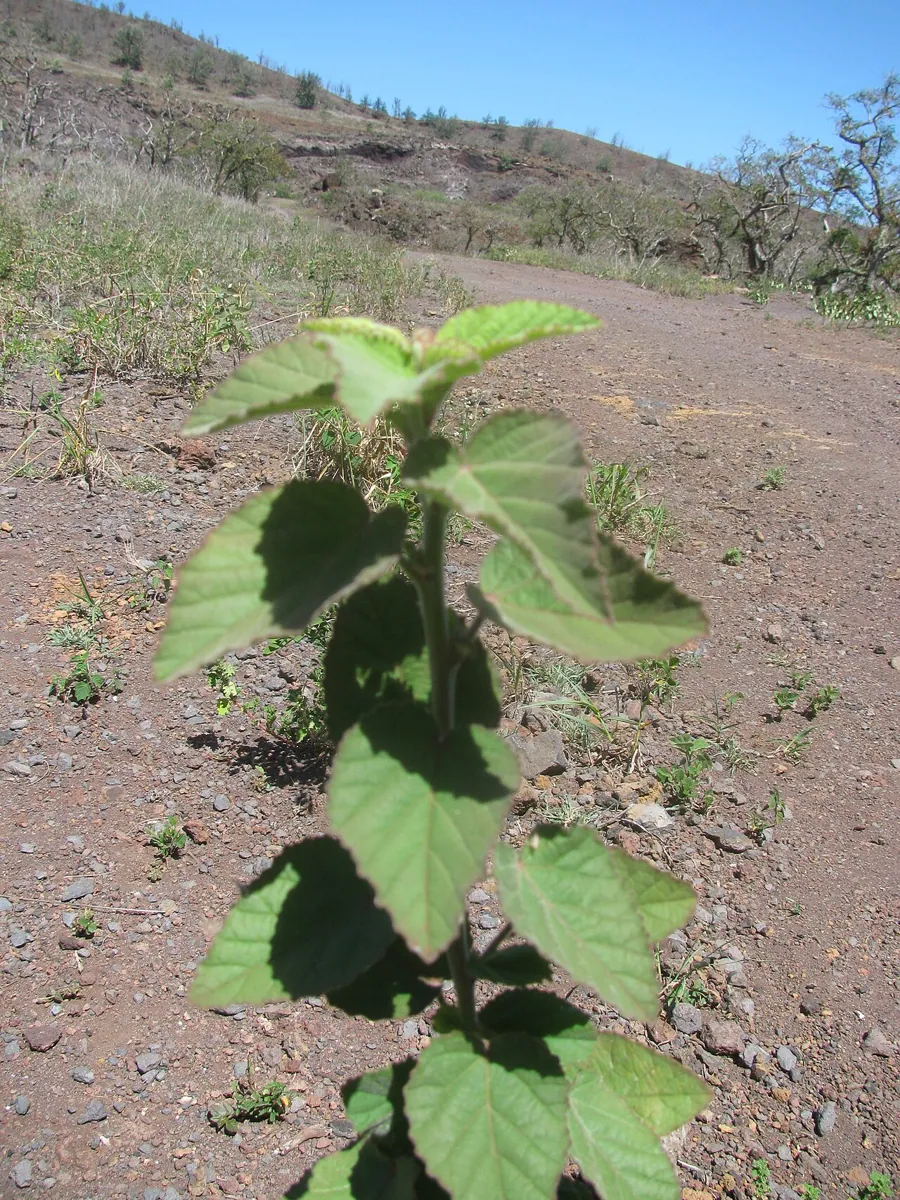
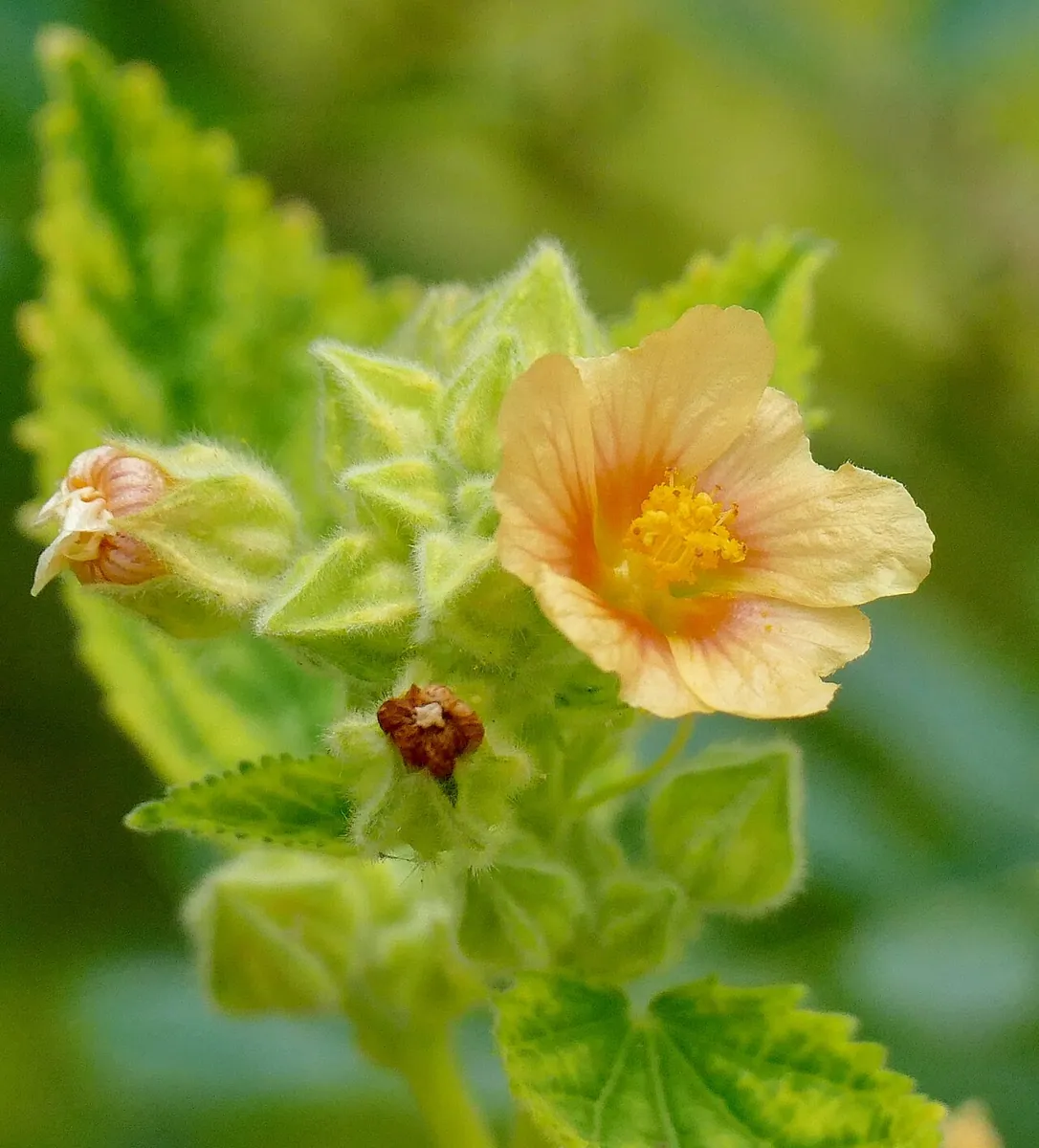
Bala is an erect, softly hairy shrub with small yellow flowers that grows in waste places throughout India. The root is the main part used. Texts describe a group of related plants (Bala, Atibala, Nagabala, Mahabala), together called Balachatushtaya.
In the classical texts
- Charaka Samhita (Sutrasthana 4)Included in the Balya (strength-giving) mahakashaya; also used in Brimhana (nourishing) treatment.
- Charaka Samhita (Chikitsasthana 28)Bala is a key ingredient of oils and ghee for Vata disorders, such as Bala taila.
- Sushruta Samhita (Chikitsasthana)Bala taila and Bala ksheerapaka for nerve and muscle disorders.
- Bhavaprakasha NighantuDescribes Bala as madhura, shita, snigdha, balya and vata-pitta-hara, useful in raktapitta and kshata.
Synonyms (paryaya)
वाट्यालिका,खरयष्टिका,बरियार,खिरैंटी,बीजबन्द
vāṭyālikā,kharayaṣṭikā,bariyāra,khiraiṃṭī,bījabanda
Classical indications
रसायन, मूत्रजनन, वाजीकर, प्रदरहर, बल्य, क्षय, श्वासहर
rasāyana, mūtrajanana, vājīkara, pradarahara, balya, kṣaya, śvāsahara
Effect on the three doshas
How vaidyas use it in practice
- Bala ashvagandhadi taila or Ksheerabala taila for Abhyanga in muscle weakness, body ache and nerve pain.
- Ksheerabala (oil cooked 101 times) as drops or massage in Vata disorders of the head and nerves, under supervision.
- Bala root boiled in milk (ksheerapaka) for weakness after illness.
- In Bala arishta for Vata disorders and weakness.
- In facial palsy, sciatica and frozen shoulder as part of the Panchakarma plan.
Simple home uses
- Massage with a Bala-based oil for tired legs and back pain.
For minor complaints only. If a problem lasts more than a few days or is severe, see a doctor.
Well-known formulations
बलाद्य-घृत-रिष्ट-चन्दनबलालाक्षादि तैल
balādya-ghṛta-riṣṭa-candanabalālākṣādi taila
What science says
Sida cordifolia contains small amounts of ephedrine and pseudoephedrine, along with vasicine-type alkaloids, flavonoids and steroids. Laboratory studies show anti-inflammatory and pain-relieving effects. Its ephedrine content means concentrated extracts should be used carefully.
Safety and cautions
Because of its ephedrine content, people with high blood pressure, heart rhythm problems, overactive thyroid, glaucoma or on stimulants should avoid concentrated internal use except under a doctor. External oils are generally safe.
Who should not take it
- High blood pressure, heart rhythm problems, overactive thyroid (internal use)
- Glaucoma
- With stimulant medicines
How to identify it, and common adulterants
Sida cordifolia is a soft, hairy herb with heart-shaped, toothed leaves and small yellow flowers. Several Sida species are sold as Bala; the vaidya and pharmacy should confirm the species.
Growing it at home
Grows wild in the monsoon on open ground and can be sown from seed in any soil.
Questions people ask
Is Bala safe in high blood pressure?
Massage oils are fine. Internal concentrated preparations should be avoided unless your doctor approves, because the plant contains ephedrine.
What is Ksheerabala taila?
A classical oil made from Bala, milk and sesame oil, used for Vata disorders of the nerves, joints and head.
This page is general information from classical Ayurvedic texts and published research. It is not a prescription. Herbs act differently in different people; take any herb only after a qualified vaidya examines you, and do not stop prescribed medicines.