
Babbula
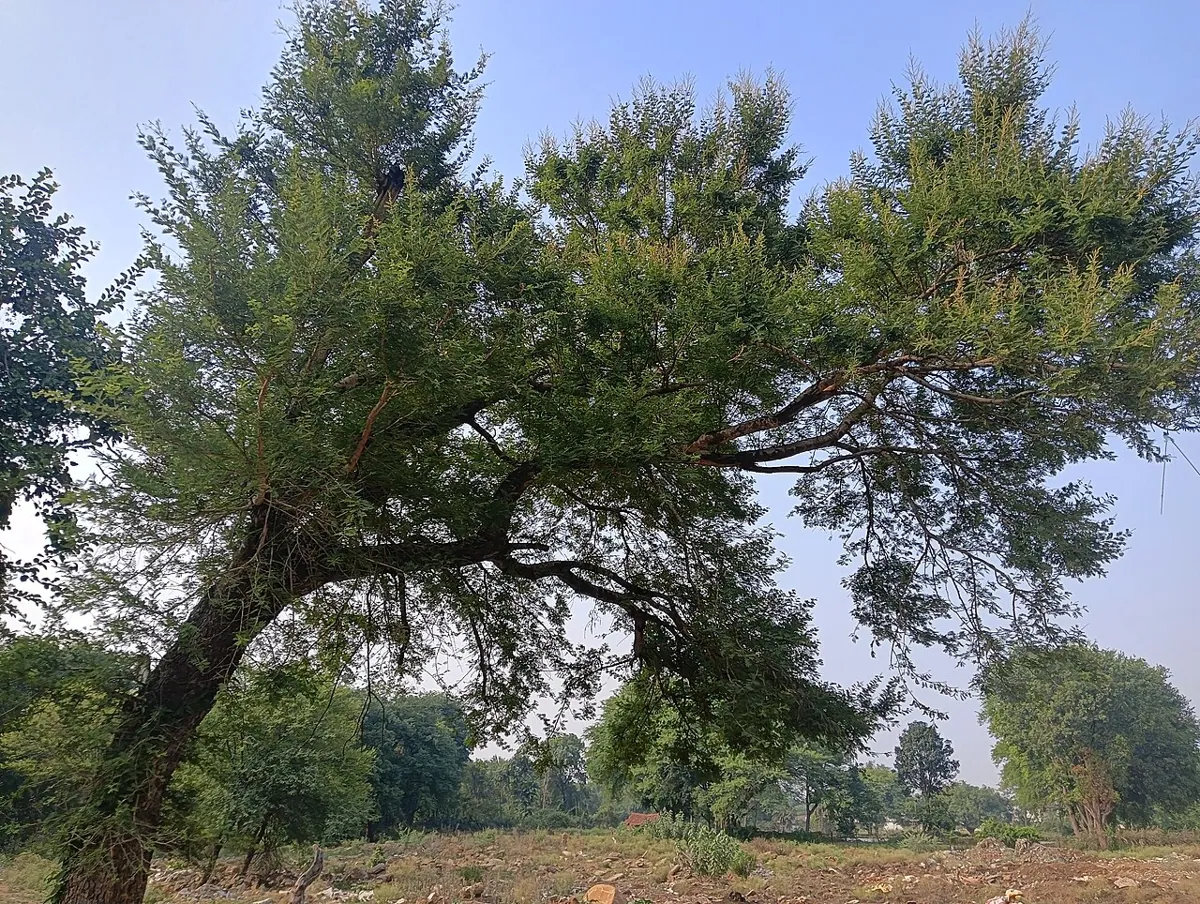
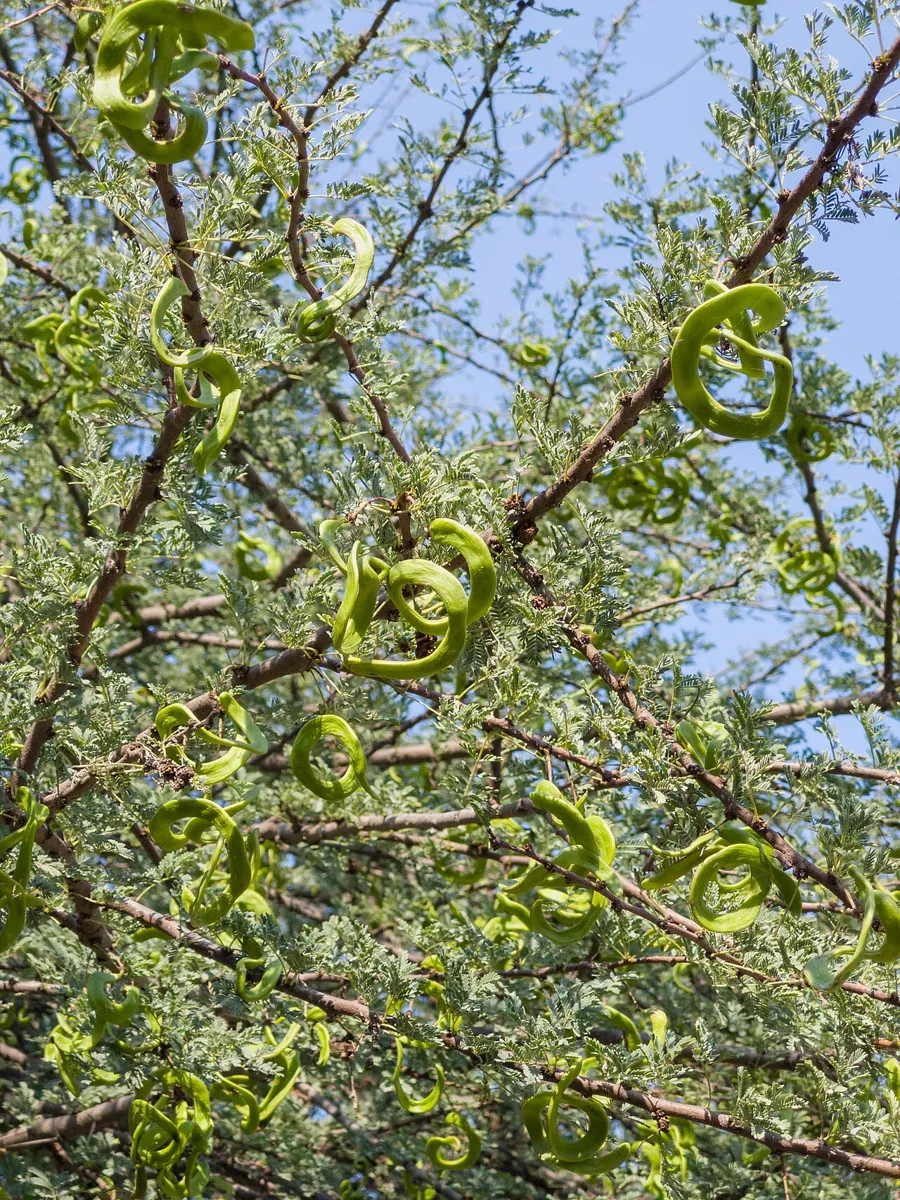
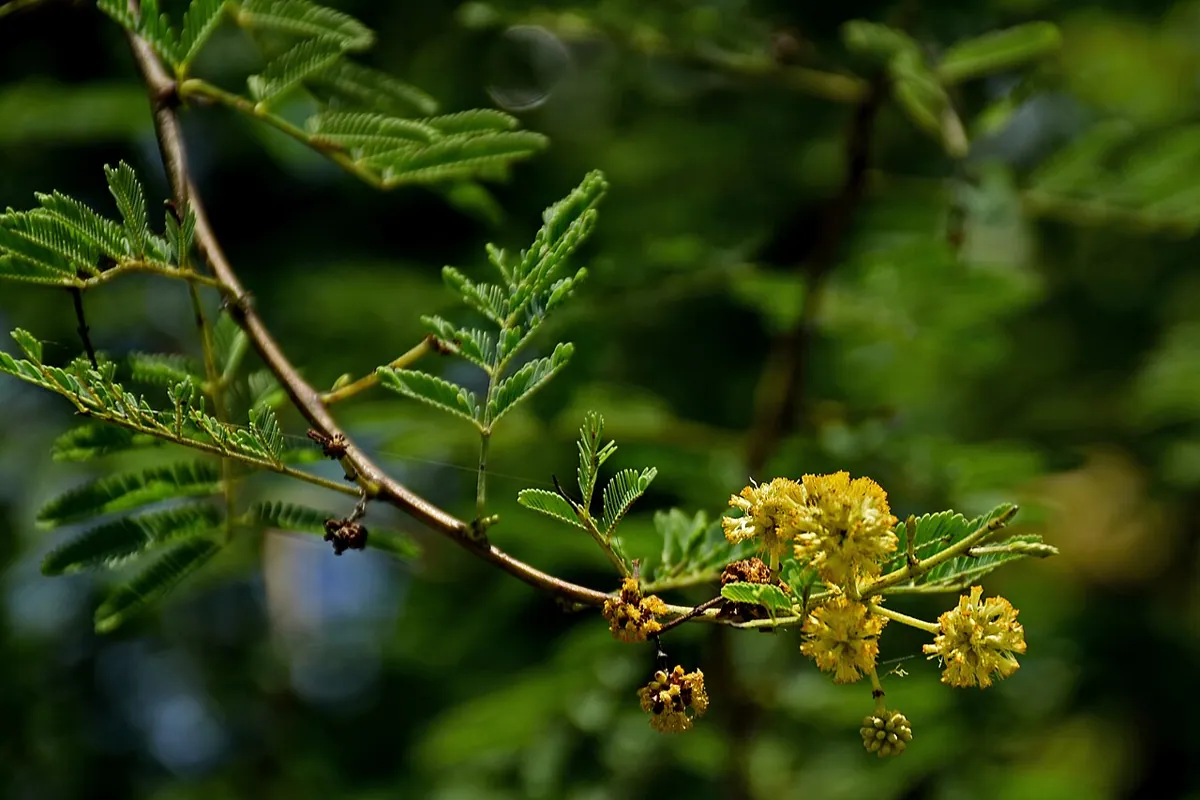
Babbula (babool) is used in Ayurveda for teeth and gums, diarrhoea, bleeding and skin.
About Babbula
Babool is a thorny tree of dry India; twigs are used as tooth-sticks and gum as gum arabic.
Shloka from Bhavaprakasha Nighantu
बब्बूलः कफहृद्ग्राही कुष्ठक्रिमिविषापहः॥
babbūlaḥ kaphahṛdgrāhī kuṣṭhakrimiviṣāpahaḥ||
Meaning: Babbula removes Kapha, binds, and removes skin disease, worms and poison.
Bhavaprakasha Nighantu, Vatadi varga
In the classical texts
- Bhavaprakasha Nighantu (Vatadi varga)Described with the line above.
Synonyms (paryaya)
युग्मकण्ट,दृढरुहा,सुक्ष्मपत्रा,मालाफल,किंकर
yugmakaṇṭa,dṛḍharuhā,sukṣmapatrā,mālāphala,kiṃkara
Classical indications
भग्न, वृष्य, प्रदर, फली-शुक्रस्तम्भक
bhagna, vṛṣya, pradara, phalī-śukrastambhaka
Effect on the three doshas
How vaidyas use it in practice
- Twig as tooth-stick.
- Bark gargle for gums.
- Gum in diarrhoea.
Simple home uses
- Babool twig datun.
For minor complaints only. If a problem lasts more than a few days or is severe, see a doctor.
Well-known formulations
बब्बूलारिष्ट, लवंगादि वटी
babbūlāriṣṭa, lavaṃgādi vaṭī
What science says
Bark rich in tannins; antibacterial for gums.
Safety and cautions
Astringent.
Who should not take it
- Constipation
How to identify it, and common adulterants
White thorns; yellow ball flowers.
Growing it at home
Hardy in Vidarbha.
Questions people ask
Is babool good for teeth?
Yes, traditionally.
This page is general information from classical Ayurvedic texts and published research. It is not a prescription. Herbs act differently in different people; take any herb only after a qualified vaidya examines you, and do not stop prescribed medicines.