
Avartaki
आवर्तकी
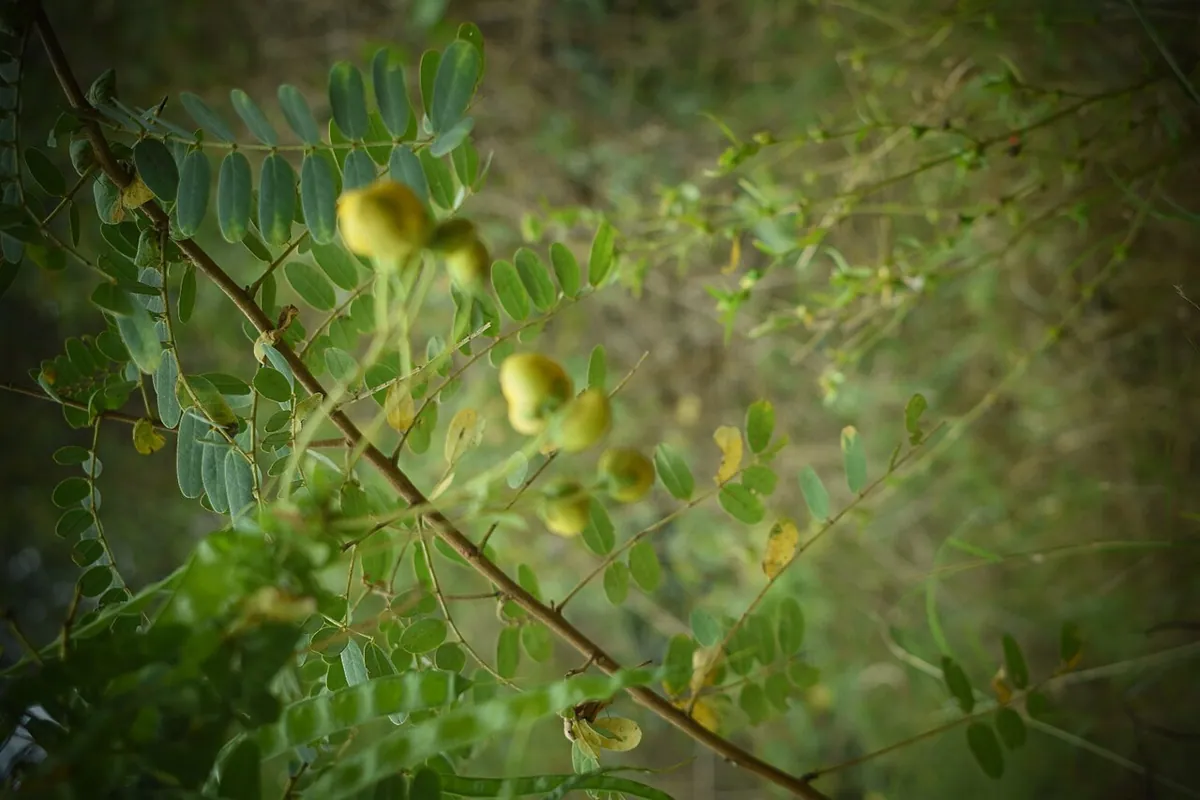
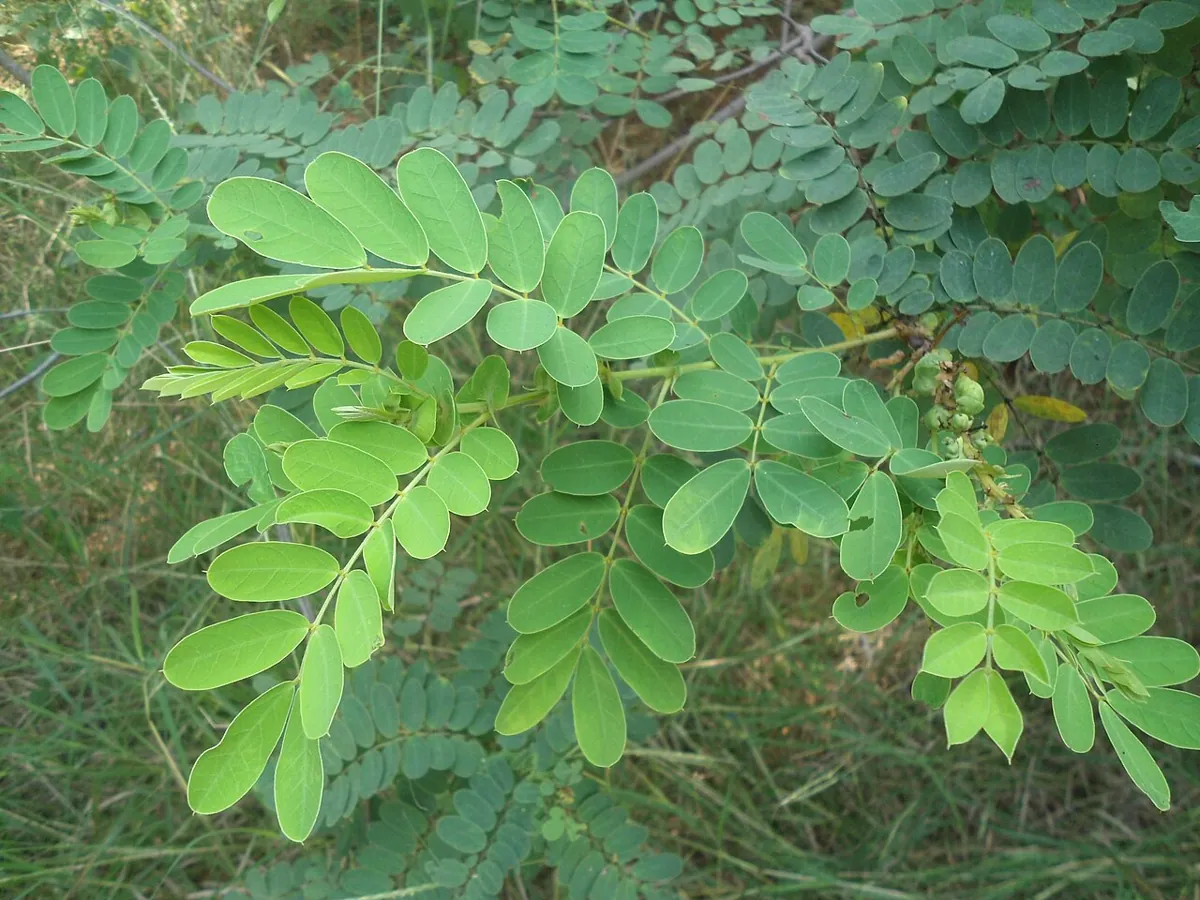
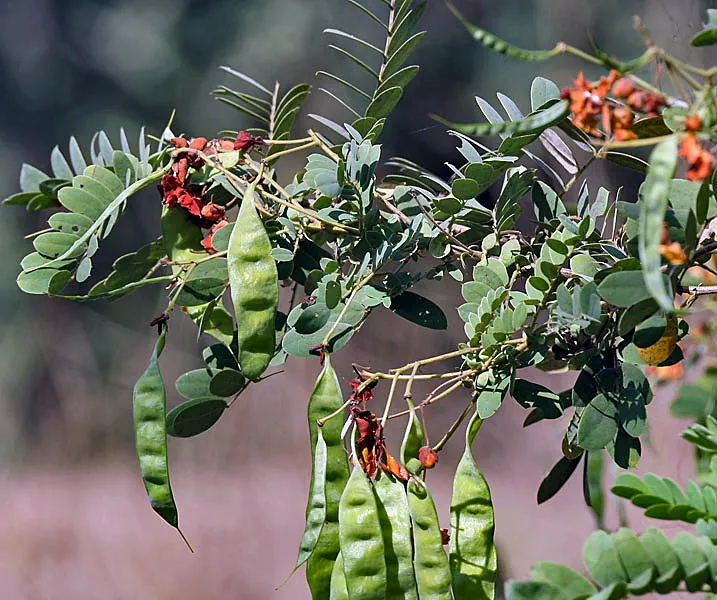
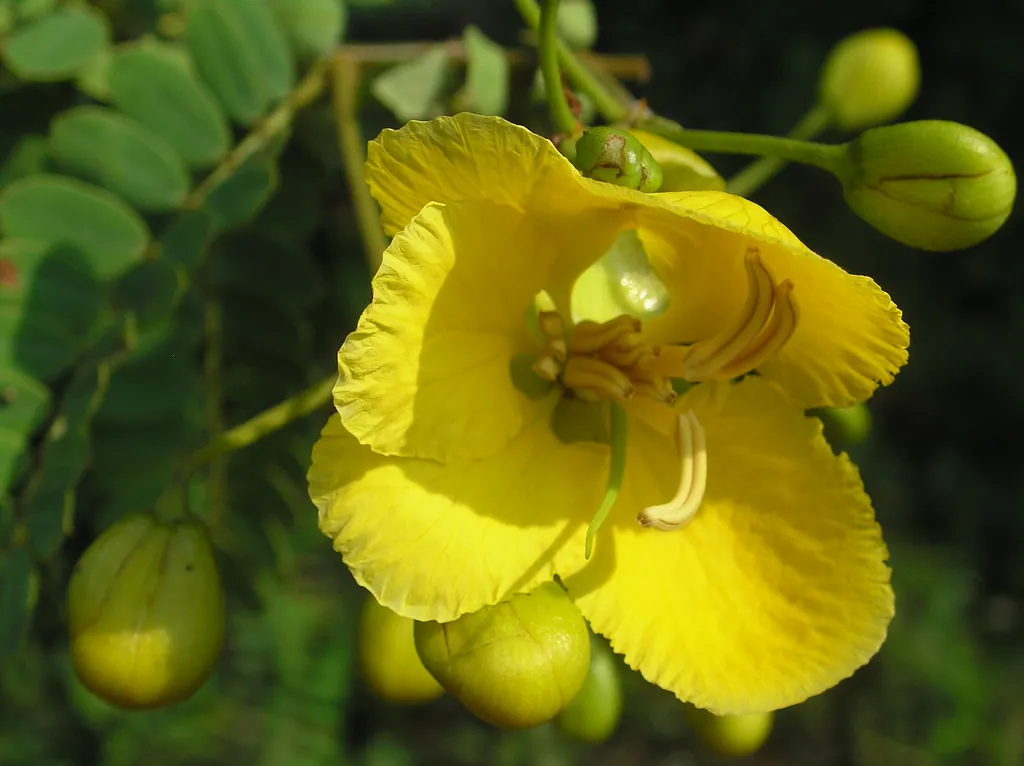
Avartaki (tarwar) is a yellow-flowered shrub used in Ayurveda for diabetes, urinary burning, skin and eyes.
Rasa (taste)कषाय,तिक्त (astringent, bitter)
Guna (qualities)लघु,रूक्ष (light, dry)
Virya (potency)शीत (cold)
Vipaka (post-digestive effect)कटु (pungent)
Main action (karma)स्तम्भन (checks discharge)
Part usedत्वक,पुष्प,बीज (bark, flower, seed)
Classical dose (adult)3-6 gm — only as your vaidya prescribes
About Avartaki
Tarwar grows wild in dry areas of central and southern India.
In the classical texts
- Bhavaprakasha NighantuDescribed as cold, bitter, astringent; removes prameha and burning.
Synonyms (paryaya)
चर्मरंगा,पीतपुष्पा,
carmaraṃgā,pītapuṣpā,
Classical indications
कृमि, कुष्ठ, प्रमेहहर
kṛmi, kuṣṭha, pramehahara
Effect on the three doshas
VataCan increase
PittaCalms
KaphaCalms
How vaidyas use it in practice
- Flowers and bark in blood-sugar care.
- Avartaki tea.
Simple home uses
- Flower tea, if the doctor agrees.
For minor complaints only. If a problem lasts more than a few days or is severe, see a doctor.
What science says
Flowers show blood-sugar-lowering effects in animals.
Safety and cautions
Monitor sugar.
Who should not take it
- On diabetes medicines without monitoring
How to identify it, and common adulterants
Bright yellow flowers.
Growing it at home
Grows wild in dry land.
Questions people ask
Is tarwar tea good for diabetes?
Studied; use with medicines.
Want to know whether this herb suits your body type? Speak to a Parijatak vaidya.Book a consultation
This page is general information from classical Ayurvedic texts and published research. It is not a prescription. Herbs act differently in different people; take any herb only after a qualified vaidya examines you, and do not stop prescribed medicines.