
Atibala
Atibala is a strength-giving, Vata-calming herb used in Ayurveda for weakness, urinary complaints, piles and nerve pain.
About Atibala
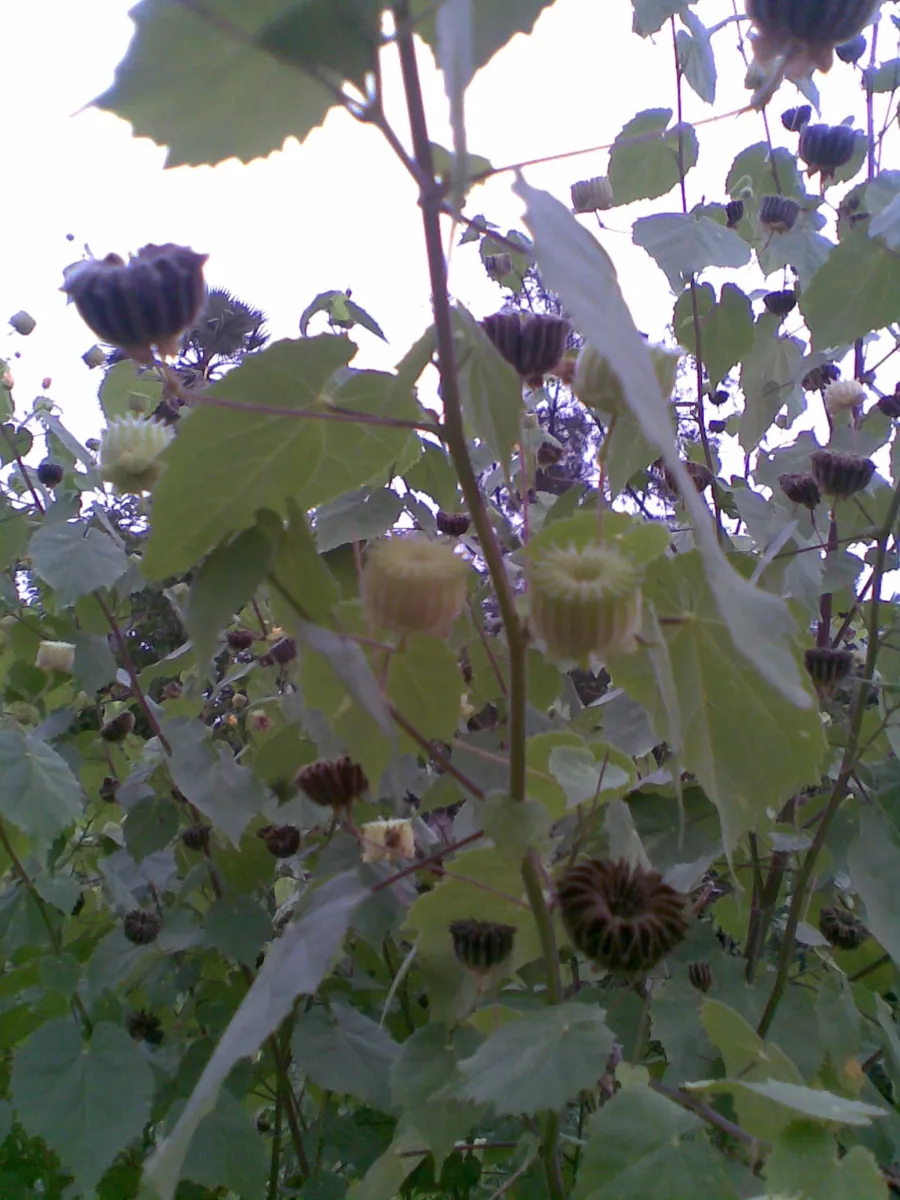
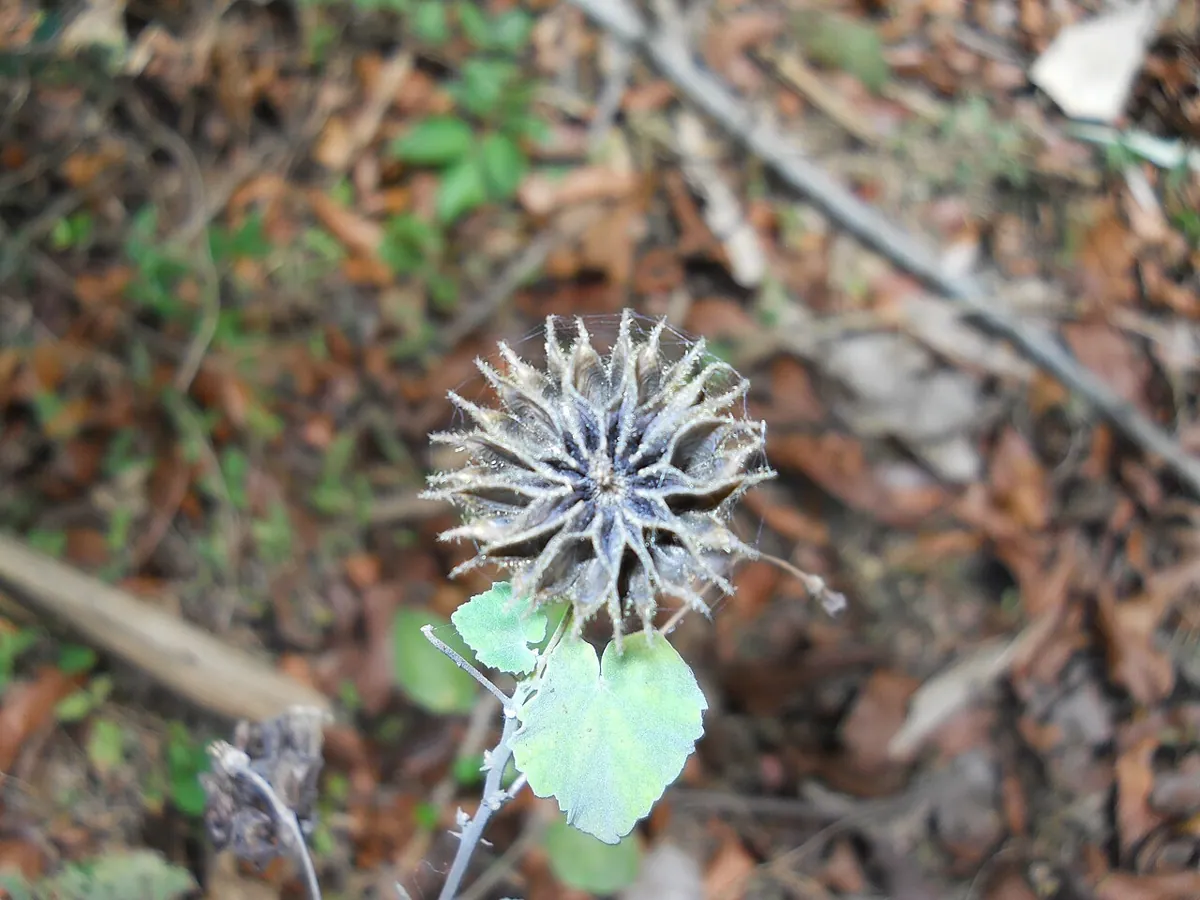
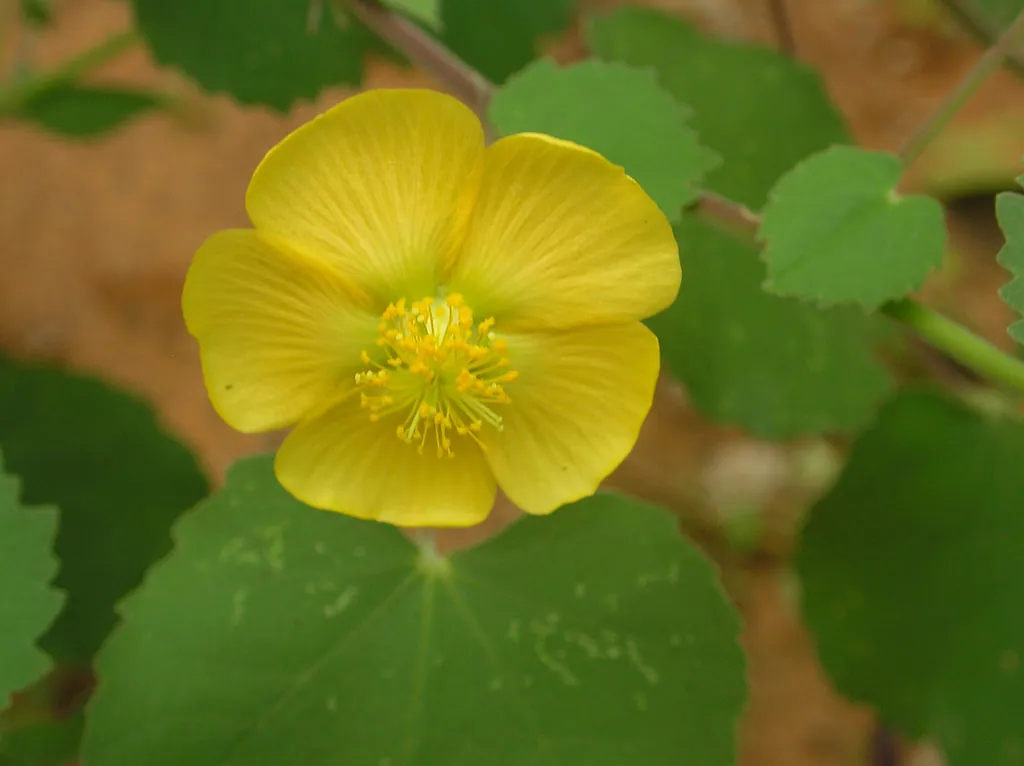
Atibala is a tall softly hairy shrub with yellow flowers and ring-shaped fruits, common on wasteland. It is one of the four Balas, with Bala, Nagabala and Mahabala.
In the classical texts
- Charaka Samhita (Sutrasthana 4)Included in the Balya and Brimhaniya groups.
- Bhavaprakasha NighantuDescribed with Bala as madhura, shita, balya and vata-pitta-hara, useful in prameha and urinary disorders.
Synonyms (paryaya)
कंकतिका,कंघी
kaṃkatikā,kaṃghī
Classical indications
वातहर, रसायन, मूत्रजनन, वाजीकर, प्रदरहर, बल्य
vātahara, rasāyana, mūtrajanana, vājīkara, pradarahara, balya
Effect on the three doshas
How vaidyas use it in practice
- In massage oils with Bala for weakness and nerve pain.
- Root decoction in urinary burning and piles, as advised.
- Seeds in formulas for male weakness.
Simple home uses
- Leaf decoction as a mouth gargle for toothache, traditionally.
For minor complaints only. If a problem lasts more than a few days or is severe, see a doctor.
What science says
Abutilon indicum contains flavonoids, mucilage and fatty acids. Studies show anti-inflammatory and pain-relieving effects.
Safety and cautions
Generally safe; supervised internal use in pregnancy.
Who should not take it
- Pregnancy (without advice)
How to identify it, and common adulterants
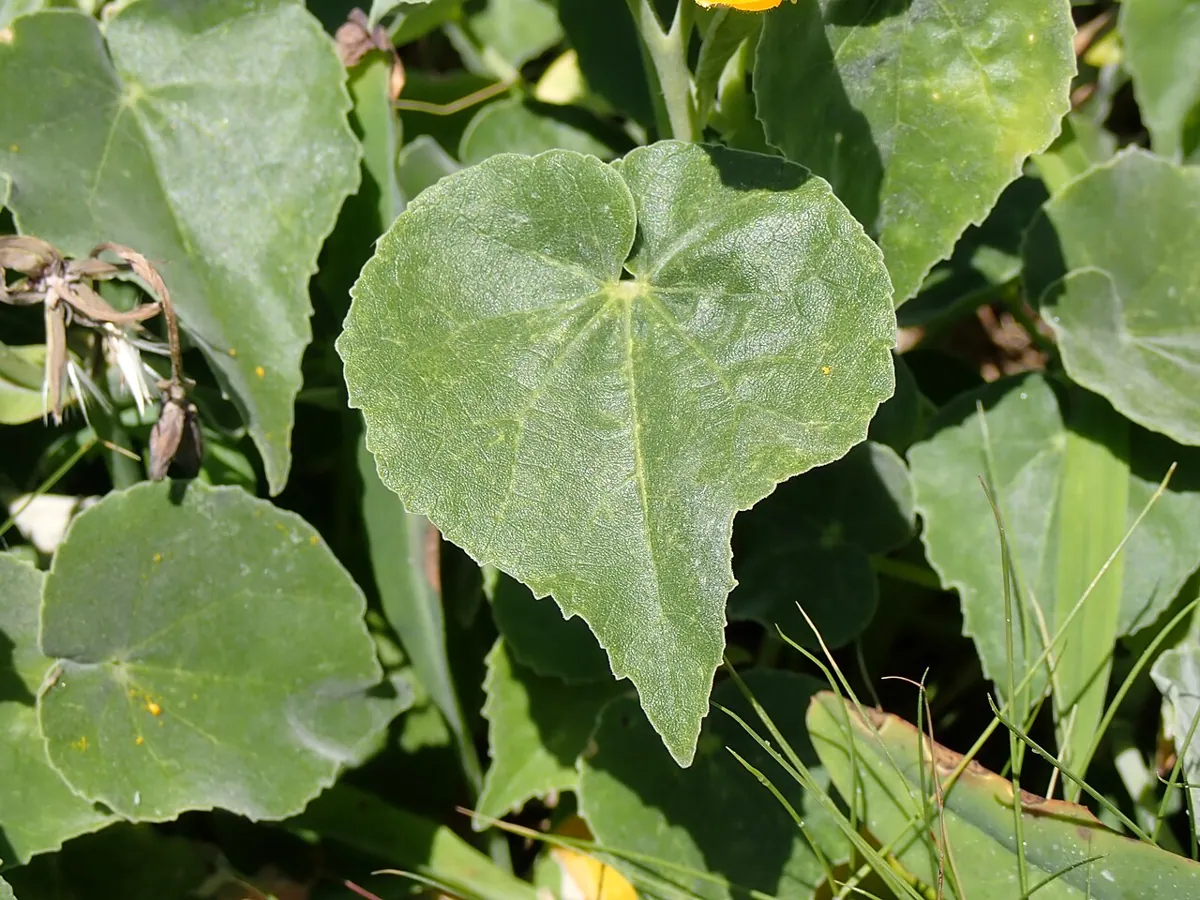
Heart-shaped velvety leaves, yellow flowers, and distinctive ring-shaped fruit with many segments.
Growing it at home
Grows wild; sow seeds in the monsoon.
Questions people ask
How is Atibala different from Bala?
Both are Malvaceae herbs with similar actions; Atibala is Abutilon, Bala is Sida.
This page is general information from classical Ayurvedic texts and published research. It is not a prescription. Herbs act differently in different people; take any herb only after a qualified vaidya examines you, and do not stop prescribed medicines.