
Ashvattha
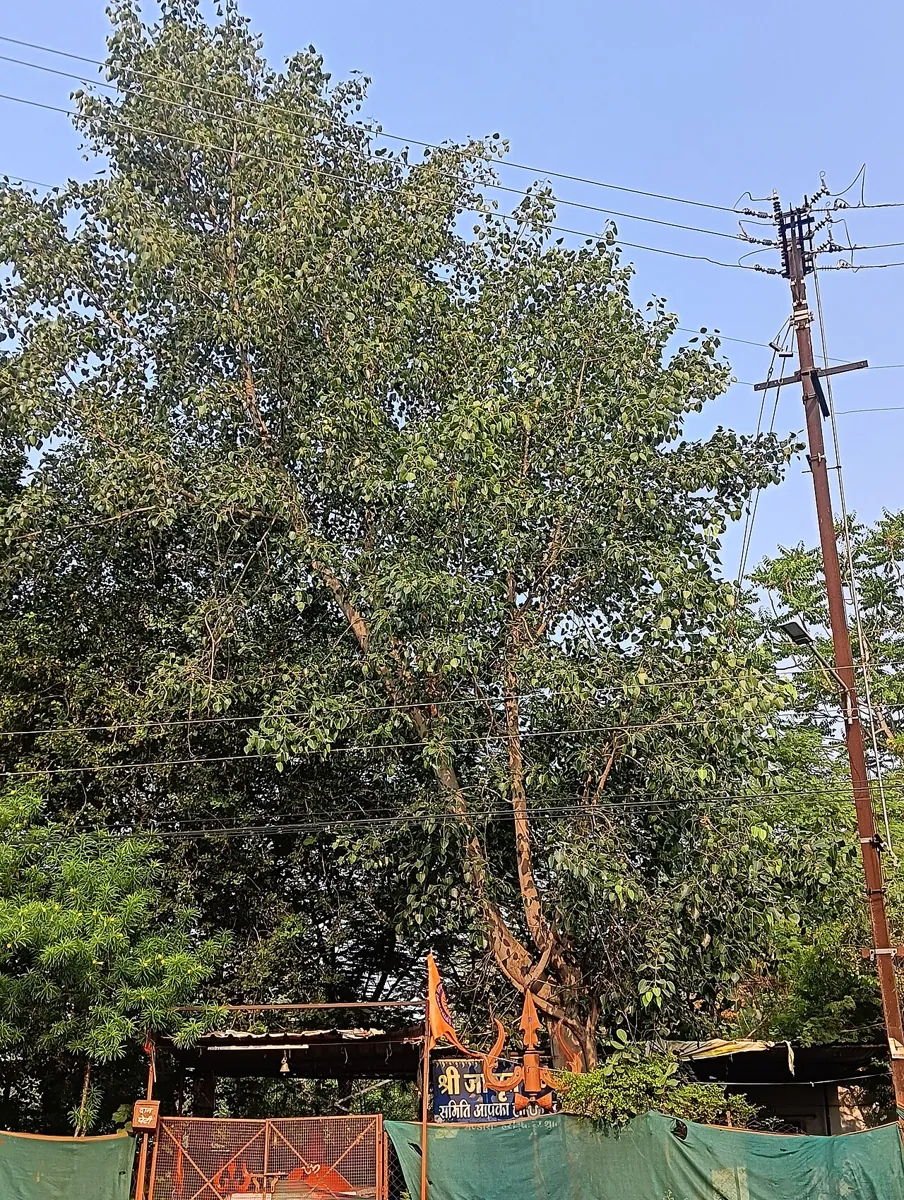
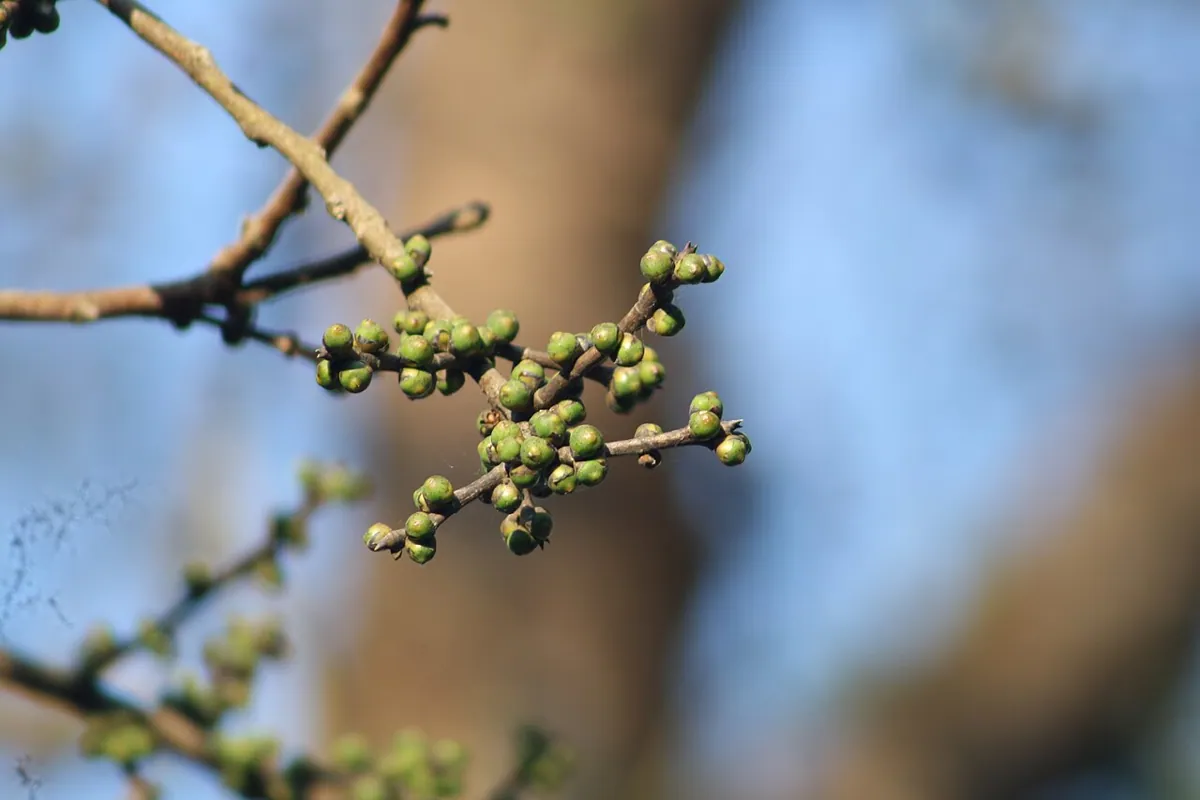
Ashvattha (peepal) is an astringent, cooling sacred tree used in Ayurveda for bleeding, skin, wounds and women's health.
About Ashvattha
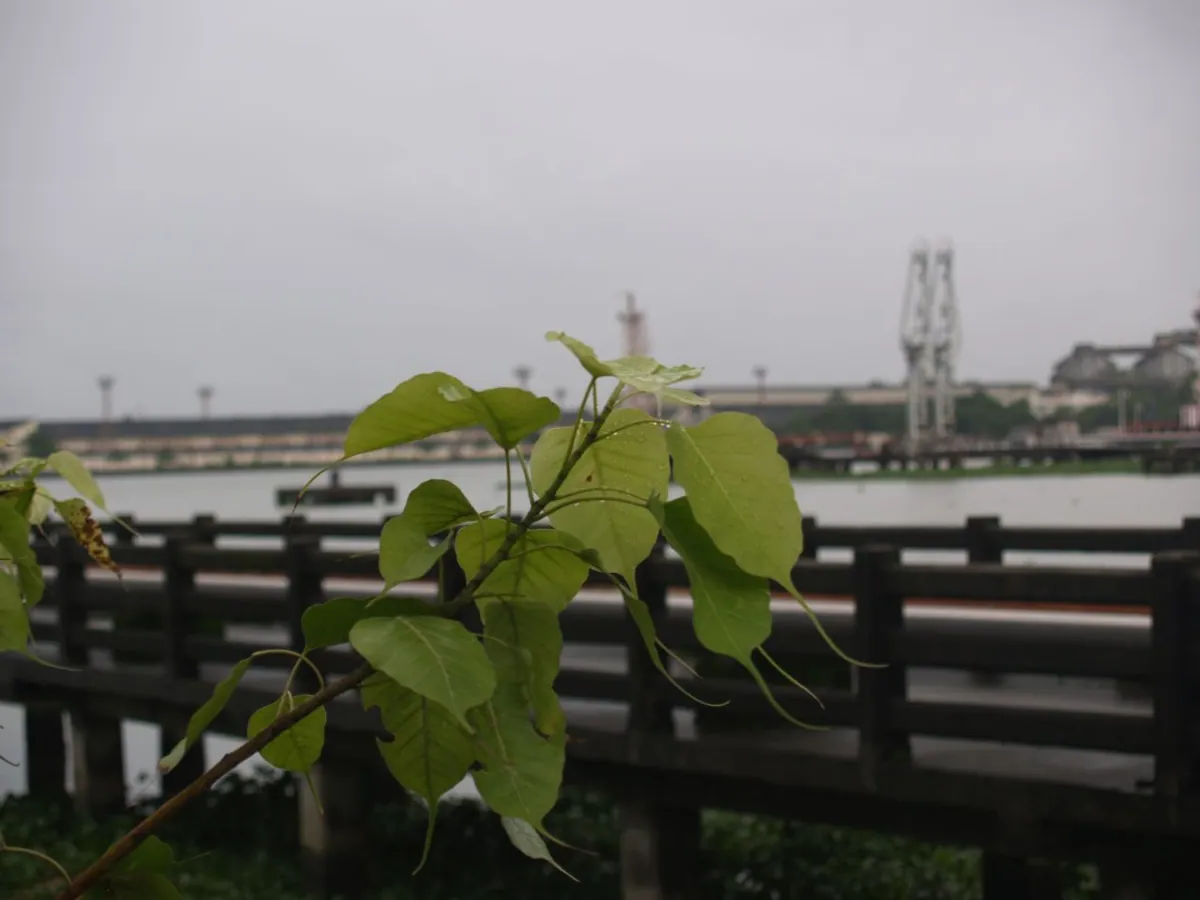
Peepal is the sacred fig with heart-shaped leaves.
Shloka from Bhavaprakasha Nighantu
पिप्पलो दुर्जरः शीतः पित्तश्लेष्मव्रणास्रजित्। गुरुस्तुवरको रूक्षो वर्ण्यो योनिविशोधनः॥
pippalo durjaraḥ śītaḥ pittaśleṣmavraṇāsrajit| gurustuvarako rūkṣo varṇyo yoniviśodhanaḥ||
Meaning: Pippala is hard to digest, cold, removes Pitta, Kapha, wounds and blood disorders. It is heavy, astringent, dry, improves complexion and cleanses the female tract.
Bhavaprakasha Nighantu, Vatadi varga
In the classical texts
- Charaka Samhita (Sutrasthana 4)Included in the Mutrasangrahaniya group.
- Bhavaprakasha Nighantu (Vatadi varga)Described with the shloka above.
Synonyms (paryaya)
पिप्पल,चलपत्र,बोधिद्रु,पीपल
pippala,calapatra,bodhidru,pīpala
Classical indications
प्रमेह, व्रण, वातरक्त, शुक्रस्तभक
prameha, vraṇa, vātarakta, śukrastabhaka
Effect on the three doshas
How vaidyas use it in practice
- Bark in heavy bleeding.
- Bark paste on wounds.
Simple home uses
- Not usually a home remedy.
For minor complaints only. If a problem lasts more than a few days or is severe, see a doctor.
What science says
Contains tannins and flavonoids.
Safety and cautions
Astringent.
Who should not take it
- Constipation
How to identify it, and common adulterants
Heart-shaped leaves with long drip tips.
Growing it at home
Grows anywhere.
Questions people ask
Is peepal medicinal?
Yes, bark and fruits.
This page is general information from classical Ayurvedic texts and published research. It is not a prescription. Herbs act differently in different people; take any herb only after a qualified vaidya examines you, and do not stop prescribed medicines.