
Ashvagola (Ishabgola)
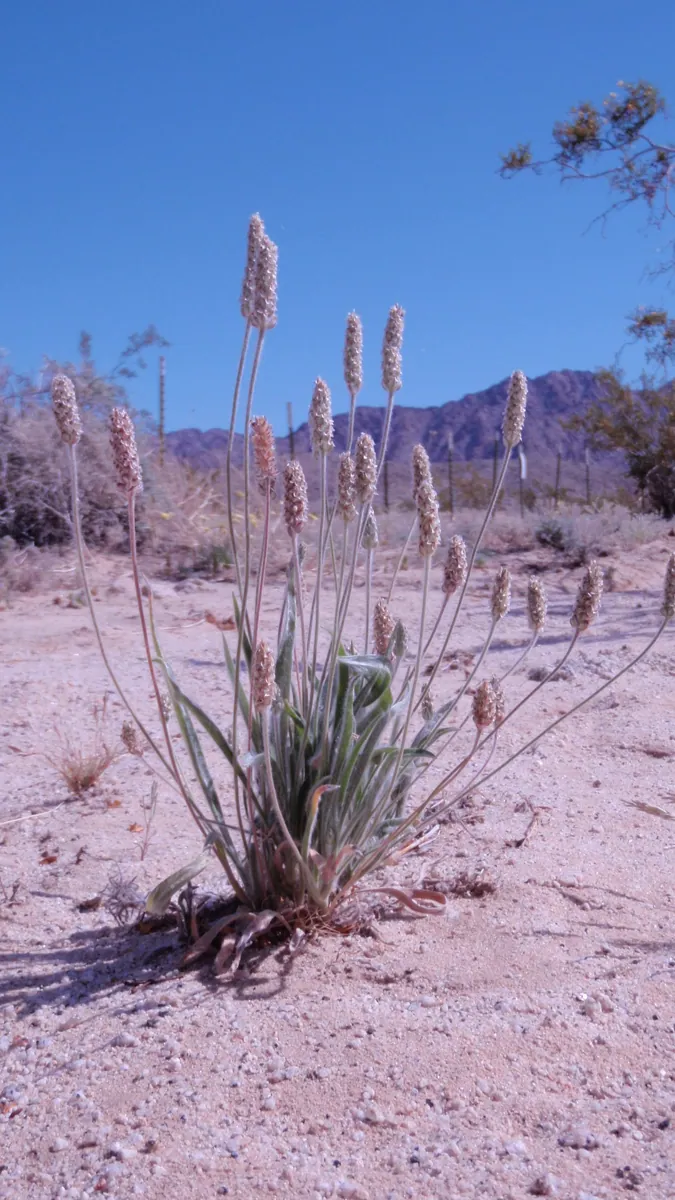
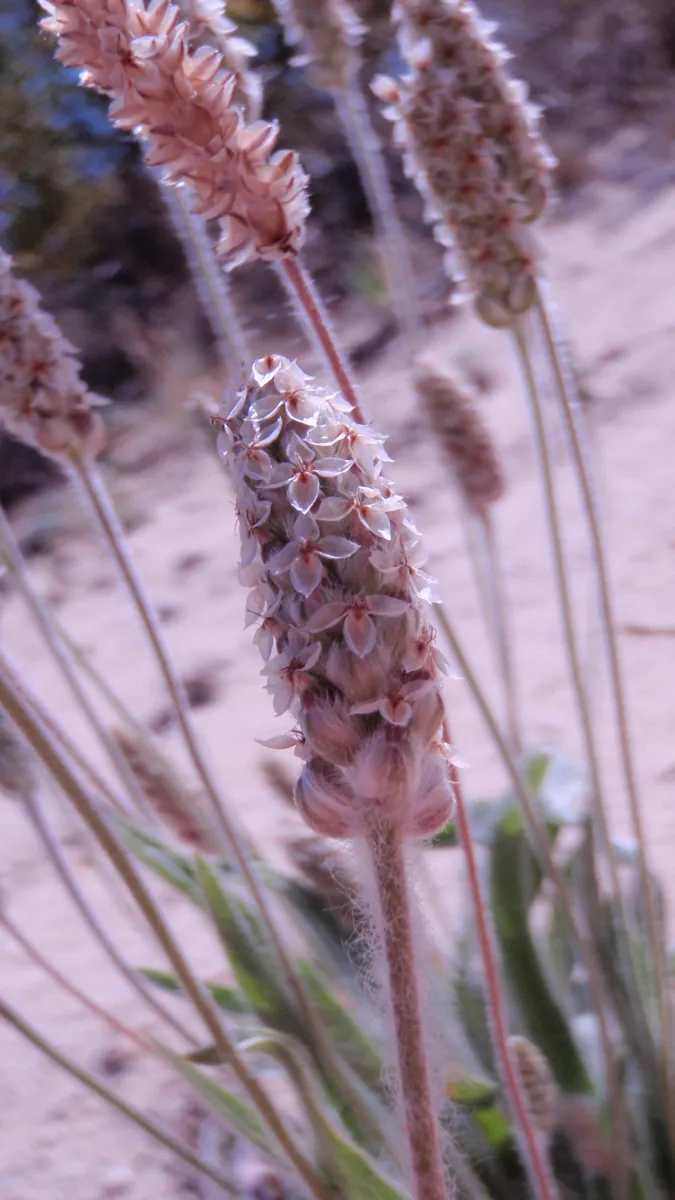
Ashvagola (isabgol, psyllium) is a gentle fibre used for constipation, loose stools, piles and acidity.
About Ashvagola (Ishabgola)
Isabgol is the seed husk of a small plant grown mainly in Gujarat and Rajasthan; India supplies most of the world's psyllium. It entered Indian medicine through Unani practice and is widely used in Ayurveda today.
In the classical texts
- Unani and later Ayurvedic practiceDescribed as madhura, shita, snigdha, and useful in constipation, diarrhoea, burning urination and bleeding piles.
- Ayurvedic PharmacopoeiaHusk is an official drug for bowel disorders.
Synonyms (paryaya)
ईषद् गोल,अश्वकर्णबीज,शीतबीज
īṣad gola,aśvakarṇabīja,śītabīja
Classical indications
आतिसार, प्रवाहिका, शुष्ककास, तृषा, विबन्ध, अल्सर, अम्लपित्त
ātisāra, pravāhikā, śuṣkakāsa, tṛṣā, vibandha, alsara, amlapitta
Effect on the three doshas
How vaidyas use it in practice
- Husk in warm water or milk at night for constipation.
- Husk with curd for loose stools.
- In piles to soften stools.
- In acidity with cool water.
Simple home uses
- One to two teaspoons of husk stirred in a full glass of water, drunk at once, at bedtime.
- Isabgol with curd for mild loose motions.
For minor complaints only. If a problem lasts more than a few days or is severe, see a doctor.
What science says
Psyllium husk is soluble fibre that forms a gel. Good evidence supports it for constipation, IBS and modest lowering of cholesterol and blood sugar.
Safety and cautions
Always take with plenty of water; dry husk can choke or block the gut. Take other medicines 2 hours apart.
Who should not take it
- Swallowing difficulty or bowel narrowing
- Taking without enough water
How to identify it, and common adulterants
Pure husk is light, pinkish-white and swells greatly in water. Low-grade husk has dust and seed particles.
Growing it at home
A winter crop of dry regions; it can be sown in Vidarbha in November.
Questions people ask
Can isabgol be taken daily?
Yes, with enough water, for most people.
This page is general information from classical Ayurvedic texts and published research. It is not a prescription. Herbs act differently in different people; take any herb only after a qualified vaidya examines you, and do not stop prescribed medicines.