
Ashvagandha
Ashvagandha is Ayurveda's best-known strength-giving root: warming, nourishing for muscle and nerve, and used for fatigue, sleep and recovery.
About Ashvagandha
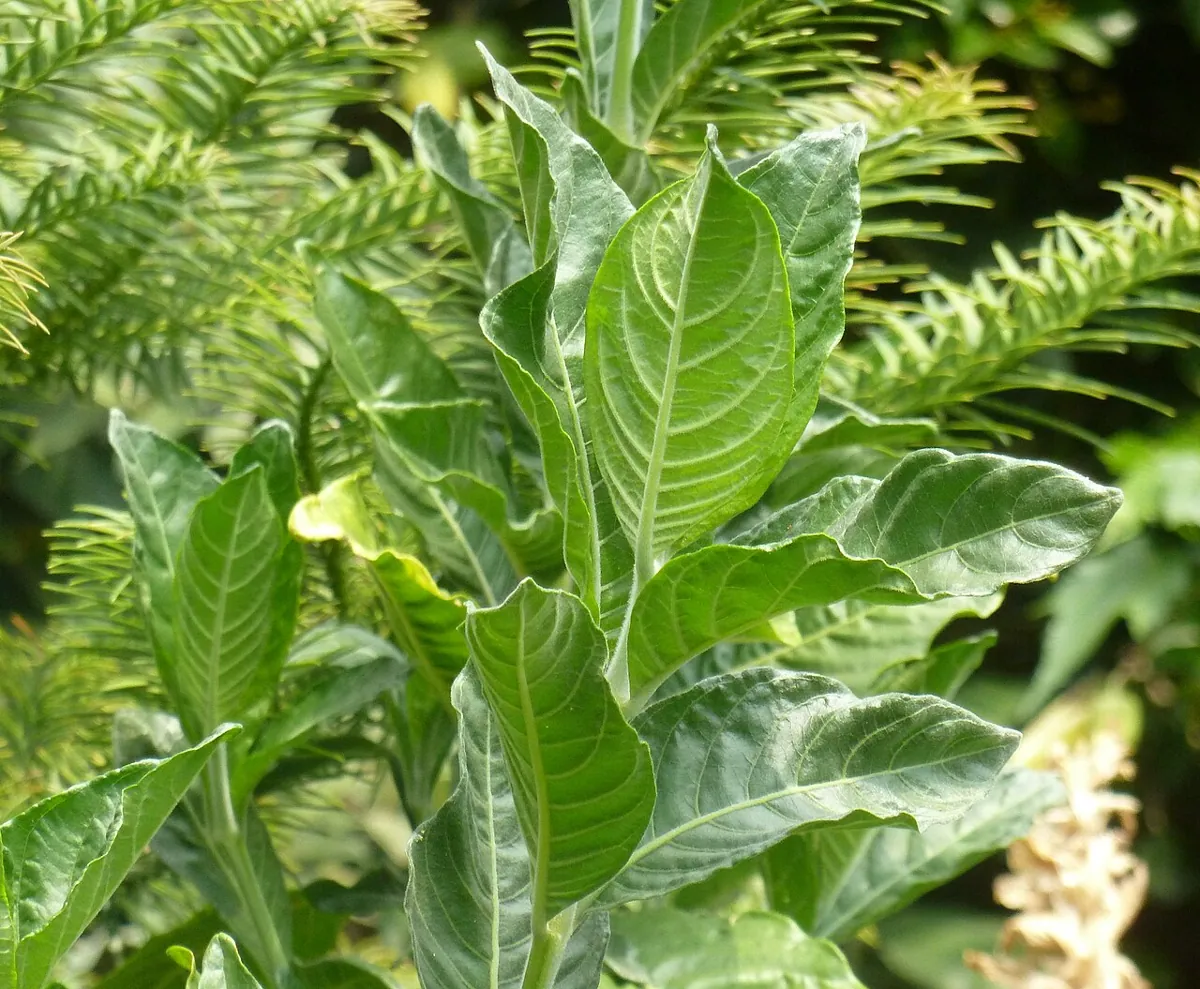
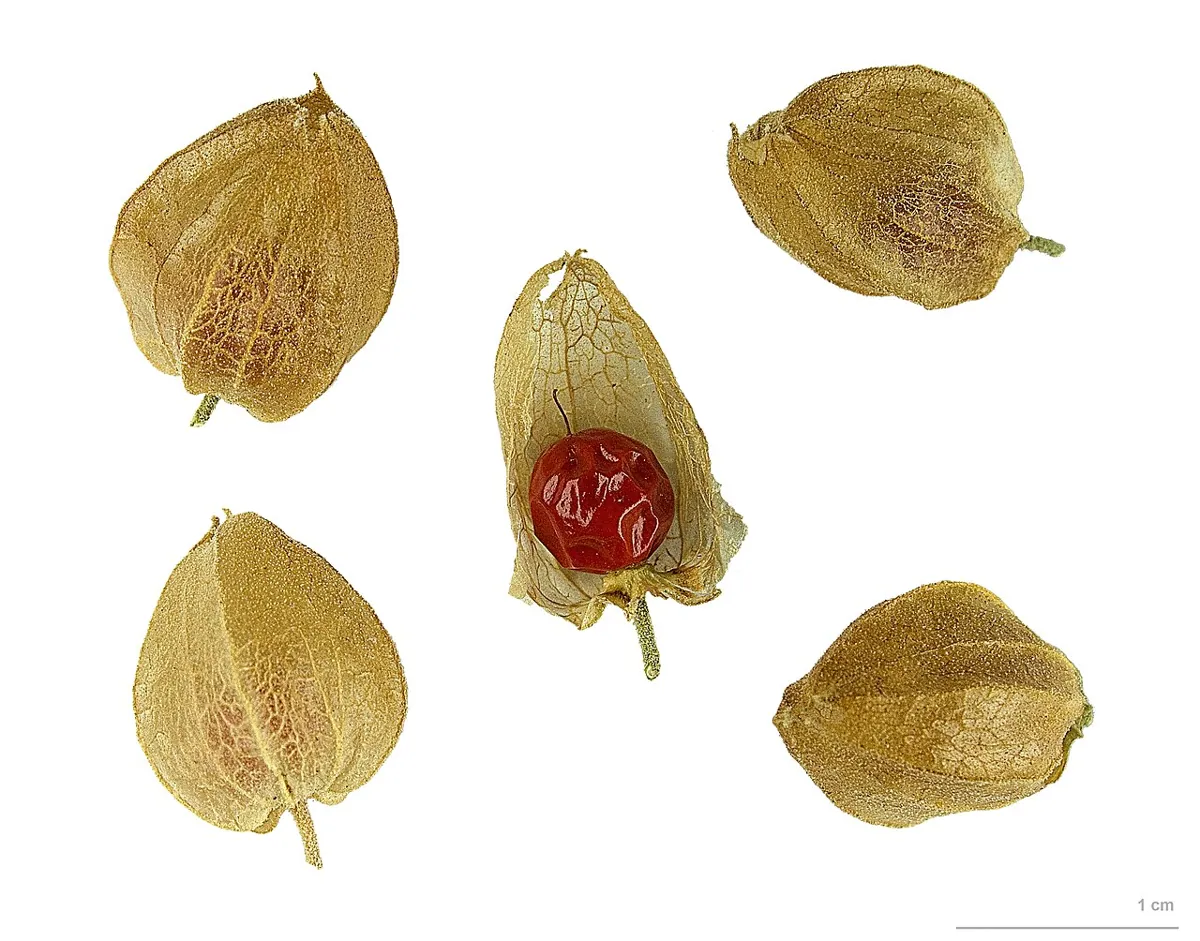
Ashvagandha is a small woody shrub of the nightshade family that grows in the dry parts of western and central India; the root used in medicine is mostly cultivated in Madhya Pradesh and Rajasthan. The name means 'smelling of a horse', which refers both to the root's smell and to the strength it is said to give.
Shloka from Bhavaprakasha Nighantu
अश्वगन्धाऽनिलश्लेष्मश्वित्रशोथक्षयापहा। बल्या रसायनी तिक्ता कषायोष्णाऽतिशुक्रला॥
aśvagandhā'nilaśleṣmaśvitraśothakṣayāpahā| balyā rasāyanī tiktā kaṣāyoṣṇā'tiśukralā||
Meaning: Ashvagandha removes Vata and Kapha, shvitra (white patches), swelling and wasting (kshaya). It gives strength, is a rasayana, bitter and astringent in taste, hot in potency, and greatly increases shukra (reproductive tissue).
Bhavaprakasha Nighantu, Guduchyadi varga
In the classical texts
- Charaka Samhita (Sutrasthana 4)Included in the Balya (strength-giving) and Brimhaniya (nourishing, weight-building) mahakashayas.
- Bhavaprakasha Nighantu (Guduchyadi varga)Described as vata-kaphahara, balya, rasayana and shukrala (supports reproductive tissue), useful in shvitra, shotha and kshaya (wasting).
- Ashtanga Hridaya (Uttarasthana 39)Mentioned among rasayana herbs; taken with milk, ghee or oil for strength and nourishment, especially for the lean and elderly.
- Chakradatta and later textsAshvagandha ghrita and Ashvagandharishta appear for weakness, nerve conditions and convalescence.
Synonyms (paryaya)
वराहकर्णी
varāhakarṇī
Classical indications
बल्य, शुक्रल, रसायन, वात, कफ, श्वित्र, शोथ, क्षयहर
balya, śukrala, rasāyana, vāta, kapha, śvitra, śotha, kṣayahara
Effect on the three doshas
How vaidyas use it in practice
- Root powder, 3 to 6 g, boiled with milk at night (ksheerapaka) for fatigue, poor sleep and recovery after illness.
- With ghee and sugar candy for underweight children and adults, as advised.
- Ashvagandha oil or Ashvagandha-containing Bala taila in Abhyanga for muscle and joint stiffness.
- Ashvagandharishta after meals for anxiety-related weakness and in convalescence.
- In Vata-type joint pain and sciatica it is combined with Shallaki, Rasna or Guggulu formulations.
Simple home uses
- Half a teaspoon of root powder boiled in a cup of milk at bedtime for tiredness, if your vaidya agrees.
- Ashvagandha oil for massage of tired legs and back.
For minor complaints only. If a problem lasts more than a few days or is severe, see a doctor.
Well-known formulations
अश्वगन्धा-रिष्ट-चूर्ण-घृत-रसायान
aśvagandhā-riṣṭa-cūrṇa-ghṛta-rasāyāna
What science says
The root contains steroidal lactones called withanolides (such as withaferin A and withanolide D) and alkaloids. Several randomised trials have studied root extracts for stress, sleep quality, muscle strength and male fertility parameters, with positive but modest results. Most trials are short (8 to 12 weeks), so long-term evidence is still limited.
Safety and cautions
Avoid in pregnancy. People with an overactive thyroid, autoimmune disease, or on sedatives, thyroid or diabetes medicines should take it only with their doctor's advice. Rare cases of liver injury with supplements have been reported. Stop and consult if you notice yellow eyes or dark urine.
Who should not take it
- Pregnancy
- Overactive thyroid
- Before surgery (stop two weeks before)
- With sleeping pills or sedatives, unless the doctor agrees
How to identify it, and common adulterants
The genuine root is pale buff, brittle, with a smell like horse urine. Fake or poor powder is often stem and leaves mixed in (greener colour) or other roots. Buy root-only powder from a licensed pharmacy.
Growing it at home
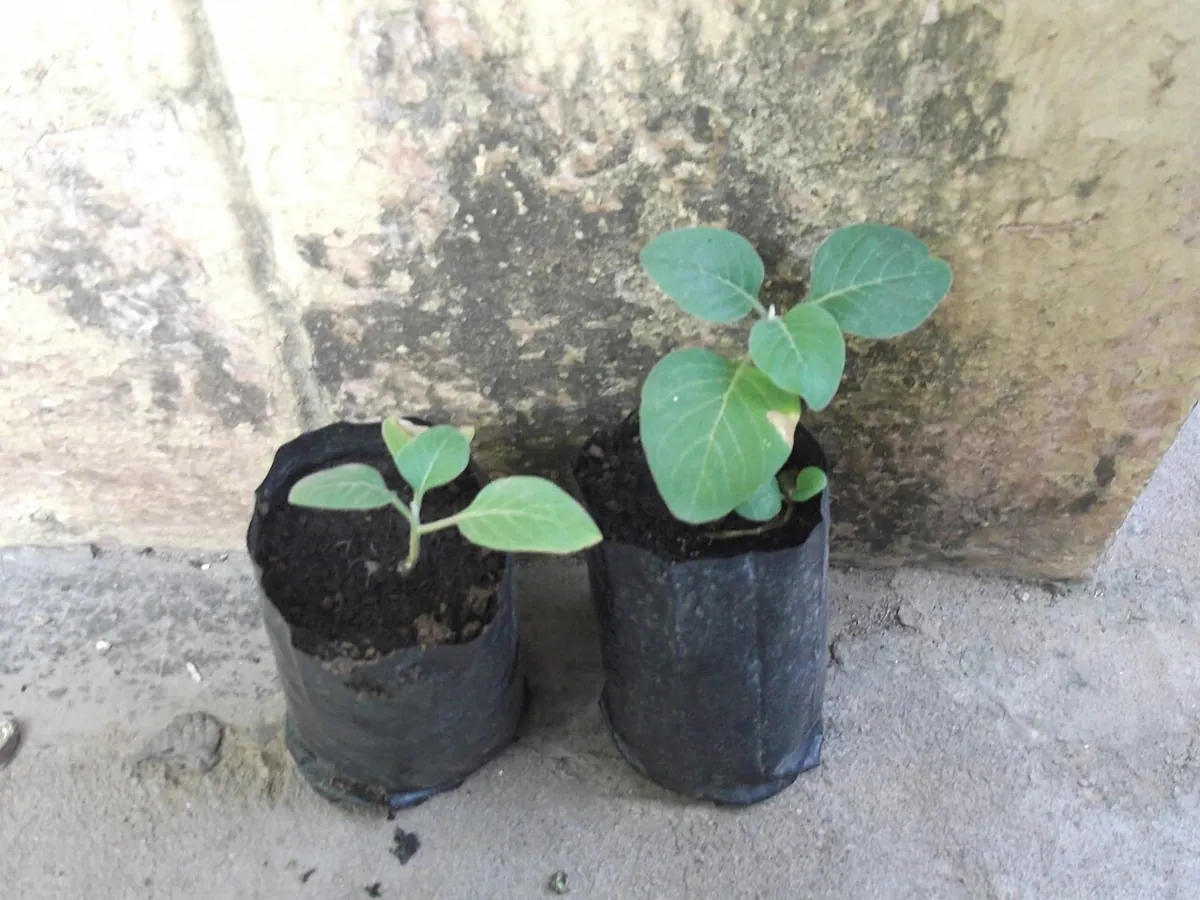
An easy, drought-tolerant crop of Madhya Pradesh. Sow seeds in the late monsoon in light, well-drained soil; roots are harvested after about 5–6 months when leaves dry.
Questions people ask
Can I take Ashvagandha for sleep?
It is commonly used with warm milk at night for sleep linked to stress and weakness. Your vaidya will check whether it suits your Prakriti and digestion first.
Is Ashvagandha heating?
Yes, it is ushna (warming). In Pitta-type bodies it is usually given with milk or ghee to balance this.
This page is general information from classical Ayurvedic texts and published research. It is not a prescription. Herbs act differently in different people; take any herb only after a qualified vaidya examines you, and do not stop prescribed medicines.