
Ashoka
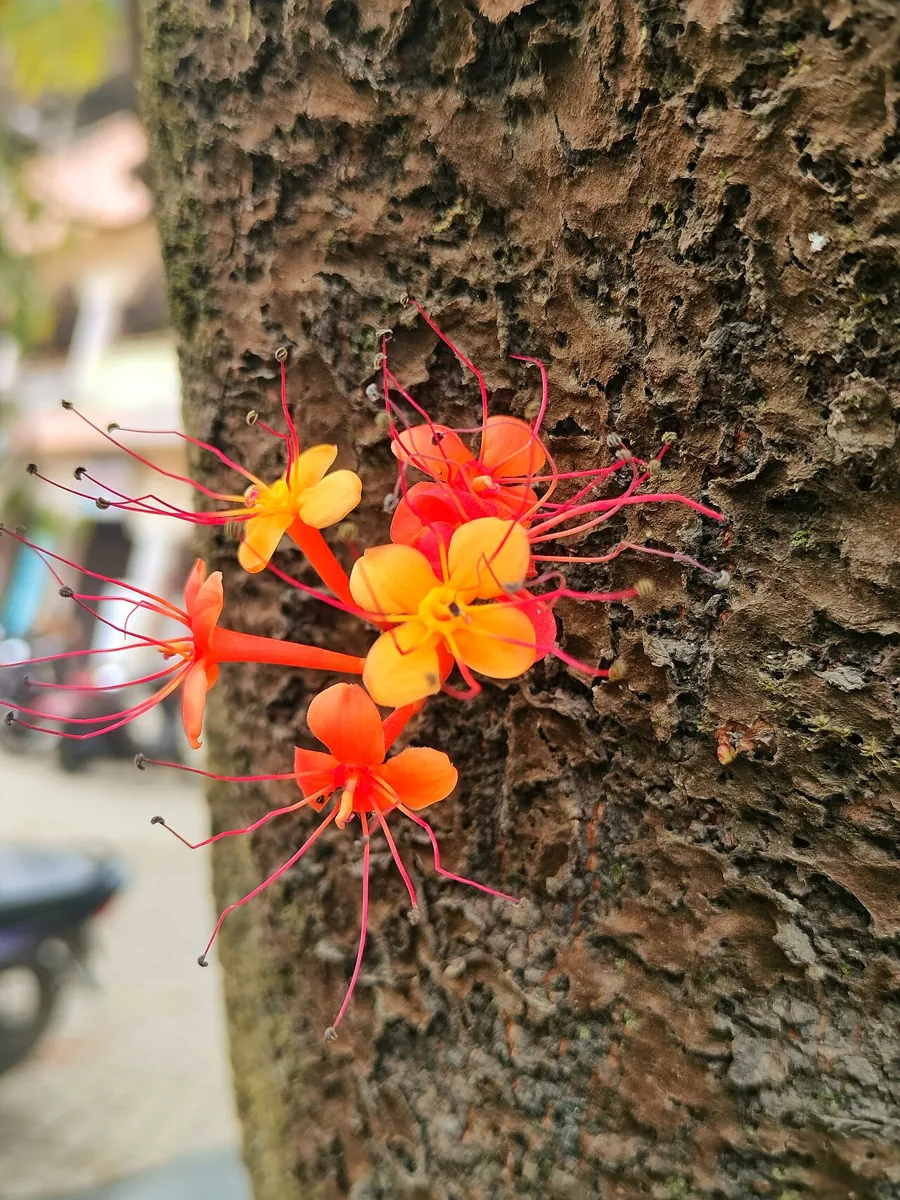
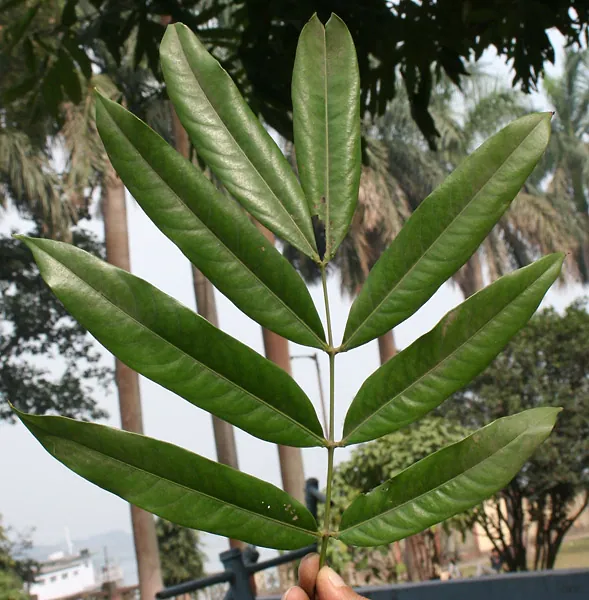
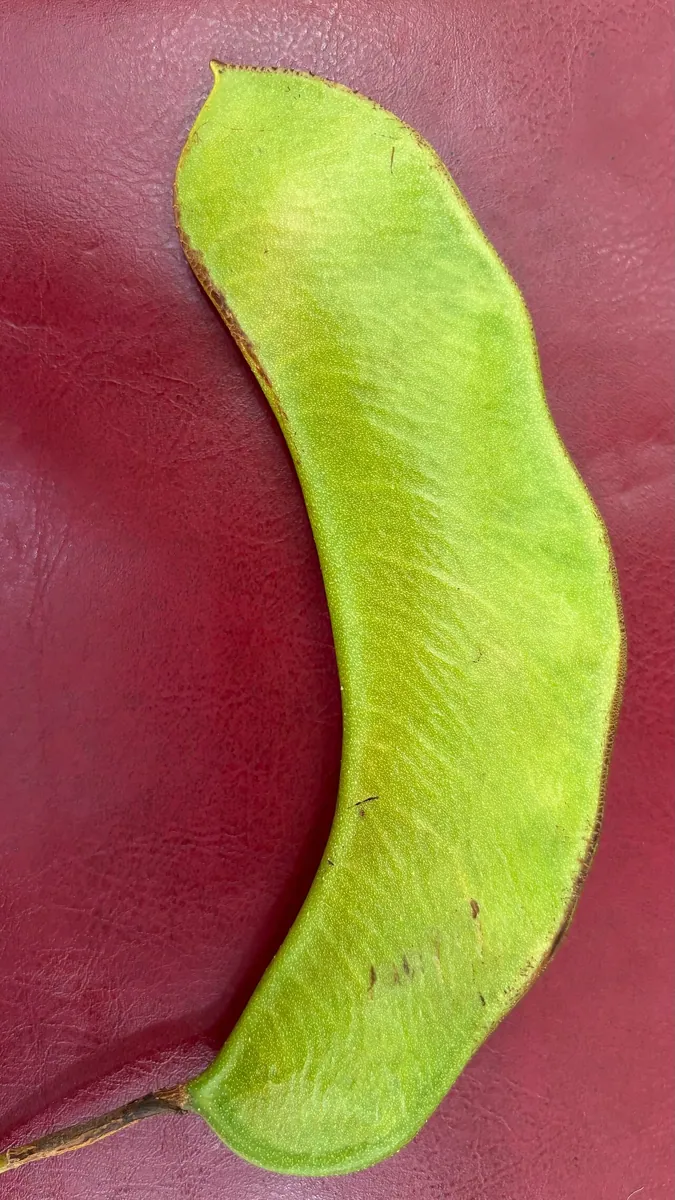
Ashoka ('free from sorrow') is the classic Ayurvedic tree bark for women's health: heavy periods, menstrual pain, and uterine tone.
About Ashoka
Ashoka is a small evergreen tree with drooping leaves and bright orange-red flower clusters, sacred in Indian tradition and found in the forests of the Western Ghats and eastern India. The bark is the main part used. Markets often sell Polyalthia longifolia (also called 'Ashok') by mistake; the genuine medicine is Saraca asoca.
Shloka from Bhavaprakasha Nighantu
अशोकः शीतलस्तिक्तो ग्राही वर्ण्यः कषायकः। दोषापचीतृषादाहकृमिशोषविषास्रजित्॥
aśokaḥ śītalastikto grāhī varṇyaḥ kaṣāyakaḥ| doṣāpacītṛṣādāhakṛmiśoṣaviṣāsrajit||
Meaning: Ashoka is cold, bitter, binding, improves complexion and is astringent. It overcomes dosha disorders, glandular swellings, thirst, burning, worms, wasting, poison and blood disorders.
Bhavaprakasha Nighantu
In the classical texts
- Charaka Samhita (Sutrasthana 4)Included in the Vedanasthapana (pain-relieving) mahakashaya.
- Chakradatta (Pradara)Ashoka bark boiled in milk (ksheerapaka) is advised in heavy menstrual bleeding.
- Bhavaprakasha NighantuDescribed with the shloka above.
Synonyms (paryaya)
हेमपुष्प,ताम्रपल्ल्व
hemapuṣpa,tāmrapallva
Classical indications
ग्राही, वृर्ण्य, कृष्टार्तव, श्वेत-रक्तप्रदर, रक्तातिसार, गर्भाशयशिथिलताहर
grāhī, vṛrṇya, kṛṣṭārtava, śveta-raktapradara, raktātisāra, garbhāśayaśithilatāhara
Effect on the three doshas
How vaidyas use it in practice
- Ashokarishta in heavy or painful periods and irregular cycles, as the vaidya decides.
- Ashoka bark ksheerapaka in heavy bleeding of a Pitta type.
- Ashoka ghrita in women's health formulas.
- Bark decoction as a wash in vaginal discharge, under guidance.
- Along with Lodhra and Shatavari in menstrual care.
Simple home uses
- Ashokarishta is taken only as prescribed; there is no safe home preparation of the bark.
For minor complaints only. If a problem lasts more than a few days or is severe, see a doctor.
Well-known formulations
अशोकारिष्ट
aśokāriṣṭa
What science says
The bark contains tannins, flavonoids, catechins and glycosides. Animal studies show uterine-toning and anti-inflammatory effects; small clinical studies have looked at heavy menstrual bleeding.
Safety and cautions
Heavy bleeding needs examination to rule out fibroids, polyps or other causes; do not rely on herbs alone. Avoid in pregnancy unless prescribed. Because of large-scale harvesting, the tree is threatened; use sustainably sourced bark.
Who should not take it
- Pregnancy
- Unexamined heavy bleeding
- Severe constipation
How to identify it, and common adulterants
Genuine Saraca bark is dark brown-grey outside, reddish inside and astringent. The common garden 'Ashok' (Polyalthia) bark is often sold instead and is not the same medicine.
Growing it at home
Grows in shade and moisture; plant a sapling in the monsoon in rich soil. It flowers in spring.
Questions people ask
Is the Ashoka tree in my garden the right one?
Probably not. The tall, column-shaped 'Ashok' in gardens is Polyalthia. The medicinal Ashoka is Saraca asoca, with orange-red flower clusters.
Can Ashokarishta be taken for a long time?
It is usually given for a few cycles. Your vaidya will decide.
This page is general information from classical Ayurvedic texts and published research. It is not a prescription. Herbs act differently in different people; take any herb only after a qualified vaidya examines you, and do not stop prescribed medicines.