
Arjuna
Arjuna bark is Ayurveda's classic heart herb: astringent and cooling, used for heart health, bleeding conditions and healing of fractures.
About Arjuna
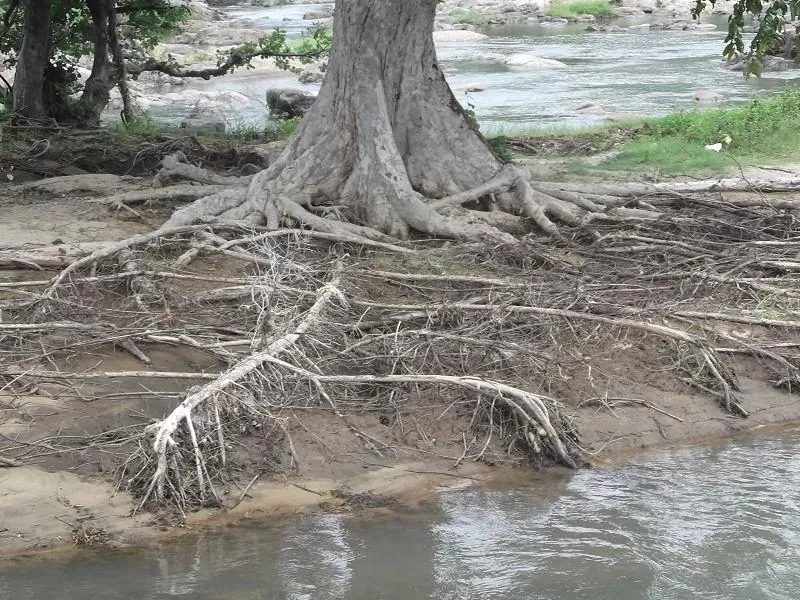
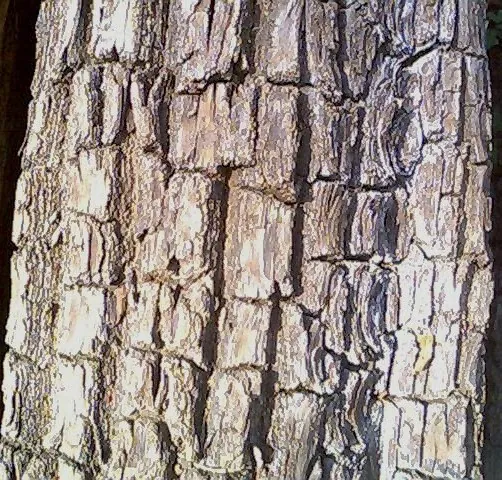
Arjuna is a large evergreen tree that grows along rivers and streams in central and southern India, including the Wardha and Wainganga belts of Vidarbha. The thick, smooth bark peels off in sheets, and it is this bark that is used. It is named after the Pandava hero for its strength and its whiteness.
Shloka from Bhavaprakasha Nighantu
ककुभः शीतलो हृद्यः क्षतक्षयविषास्रजित्। मेदोमेहव्रणान् हन्ति तुवरः कफपित्तहृत्॥
kakubhaḥ śītalo hṛdyaḥ kṣatakṣayaviṣāsrajit| medomehavraṇān hanti tuvaraḥ kaphapittahṛt||
Meaning: Kakubha (Arjuna) is cold and good for the heart; it overcomes injury, wasting, poison and blood disorders. It removes excess fat, prameha and wounds; it is astringent and removes Kapha and Pitta.
Bhavaprakasha Nighantu, Vatadi varga
In the classical texts
- Charaka Samhita (Sutrasthana 4)Included in the Udardaprashamana group and among kashaya (astringent) herbs.
- Sushruta SamhitaPlaced in the Nyagrodhadi and Salasaradi ganas, used for wounds, bleeding and Prameha.
- Bhavaprakasha Nighantu (Vatadi varga)Described as shita, hridya (good for the heart), kashaya, and useful in kshata (injury), kshaya, visha, raktavikara, meda, prameha and vrana.
- Chakradatta (Hridroga)Arjuna ksheerapaka (bark boiled in milk) and Arjuna ghrita are given for heart disease.
- VagbhataArjuna bark with ghee, milk or jaggery is advised in heart conditions.
Synonyms (paryaya)
धवल,ककुभ,वीरवृक्ष,नदीसर्ज,इन्द्र्दु
dhavala,kakubha,vīravṛkṣa,nadīsarja,indrdu
Classical indications
हृद्य, क्षत, क्षय, मेद, प्रमेह, व्रण, प्रमेह पिडिका, कफपित्तहर
hṛdya, kṣata, kṣaya, meda, prameha, vraṇa, prameha piḍikā, kaphapittahara
Effect on the three doshas
How vaidyas use it in practice
- Arjuna ksheerapaka: bark powder boiled in milk and water, taken once or twice daily, only as advised for heart care.
- Arjunarishta after meals as a heart tonic and for palpitations of a nervous type.
- Bark powder with honey in bleeding piles and heavy periods (astringent use), under guidance.
- With Lakshadi Guggulu or Asthishrinkhala in fracture healing.
- As a lepa on bruises and wounds.
Simple home uses
- Arjuna tea: one teaspoon of bark powder boiled in a cup of milk and a cup of water until a cup remains, only if your doctor agrees for heart support.
For minor complaints only. If a problem lasts more than a few days or is severe, see a doctor.
Well-known formulations
अर्जुनारिष्ट-घृत
arjunāriṣṭa-ghṛta
What science says
The bark contains triterpenoids (arjunic acid, arjunolic acid, arjunetin), flavonoids, tannins, and minerals such as calcium and magnesium. Several small clinical studies have looked at stable angina, heart failure and lipid levels, often as an add-on to standard treatment, with encouraging results. Larger trials are still needed.
Safety and cautions
If you have a heart condition, do not stop or replace your cardiac medicines. Arjuna may add to the effect of blood-pressure, heart-rate and blood-thinning drugs, so use it only with your cardiologist's and vaidya's knowledge. Avoid in pregnancy unless prescribed.
Who should not take it
- Anyone on heart, blood-pressure or blood-thinning medicines without the cardiologist's agreement
- Pregnancy
- Severe constipation
How to identify it, and common adulterants
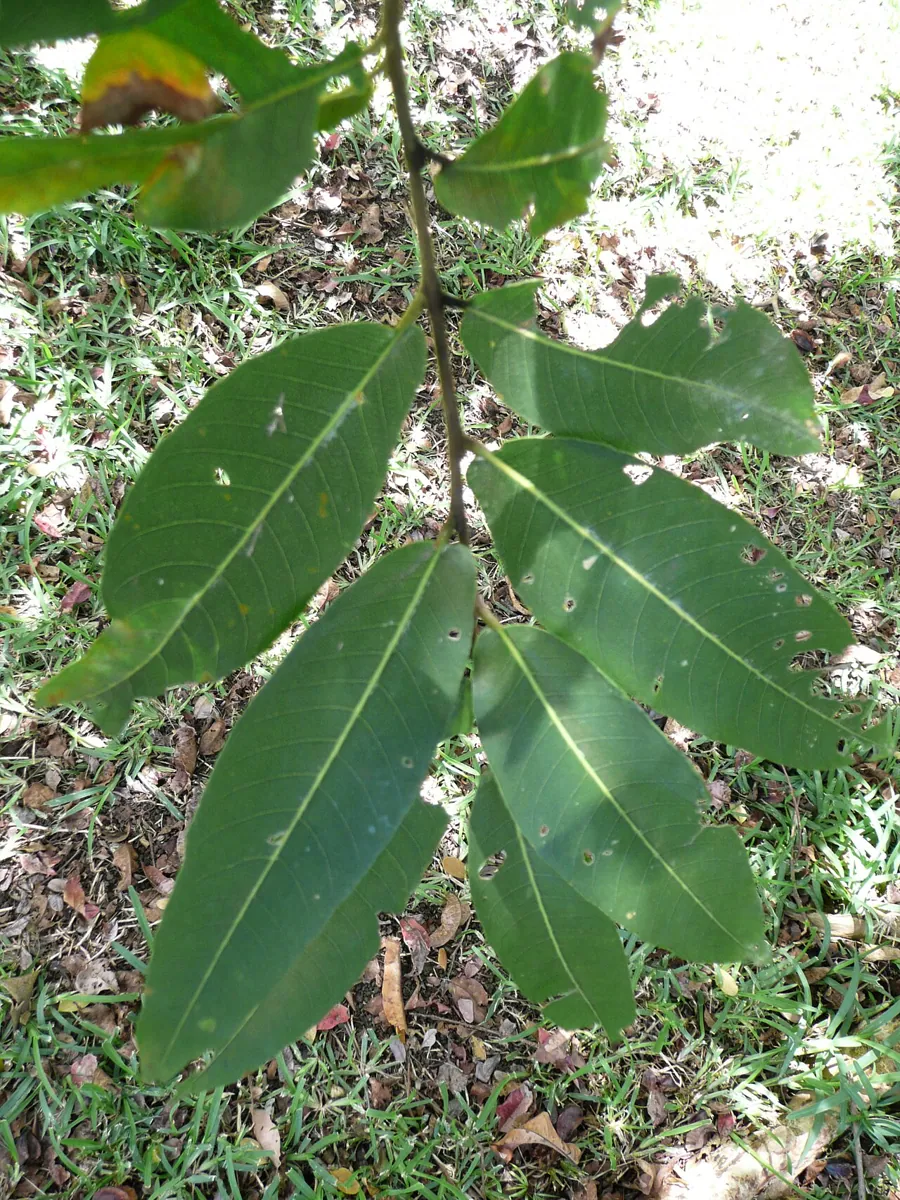
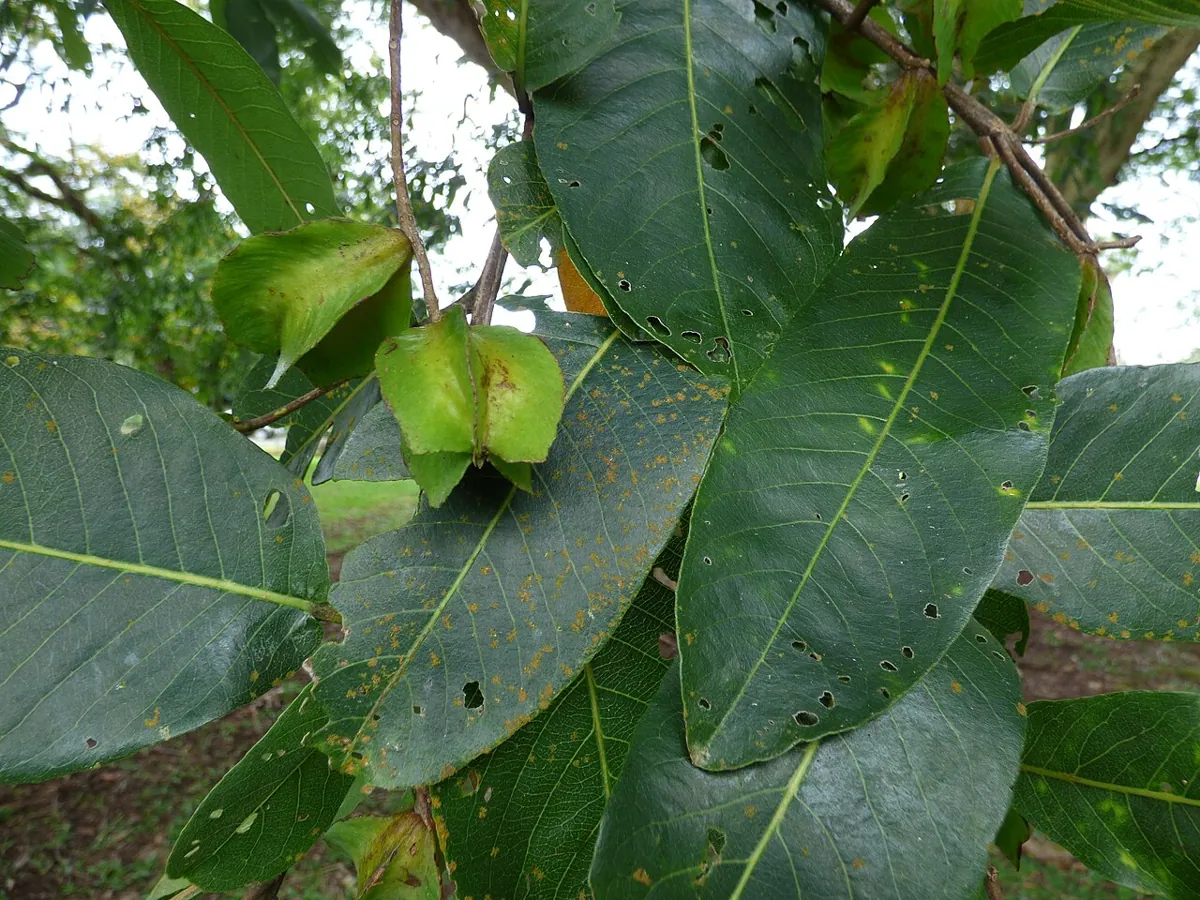
True Arjuna bark is thick, smooth outside, pinkish-red inside and very astringent. Bark of other Terminalia species is often mixed in. Buy from a licensed pharmacy.
Growing it at home
A large riverbank tree. It grows fast in moist soil; plant saplings in the monsoon near water bodies or field edges.
Questions people ask
Can I take Arjuna instead of my heart medicine?
No. In Ayurveda, too, a heart patient is treated carefully. Arjuna may be added as support, with both your doctors informed.
How is Arjuna ksheerapaka made?
Bark powder is boiled in a mix of milk and water until only the milk part is left, then filtered. Your vaidya will tell you the right quantity.
This page is general information from classical Ayurvedic texts and published research. It is not a prescription. Herbs act differently in different people; take any herb only after a qualified vaidya examines you, and do not stop prescribed medicines.