
Aragvadha
Aragvadha (amaltas) is Ayurveda's mildest, safest purgative and a leading herb for skin disease and fever.
About Aragvadha
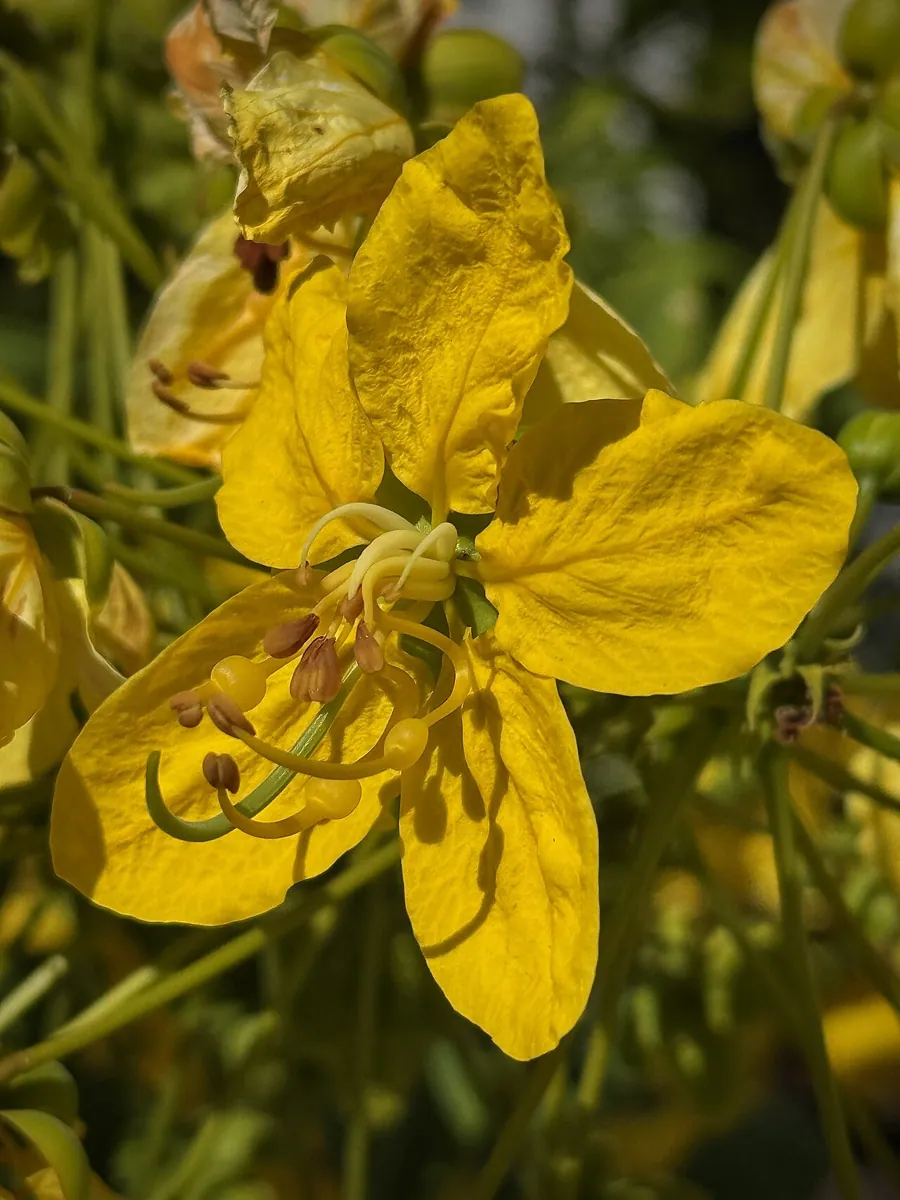
Aragvadha is the golden-shower tree whose cascades of yellow flowers brighten Indian streets in April–May. Its long black pods contain a sweet pulp that is the medicine. Charaka calls it the best gentle purgative.
Shloka from Bhavaprakasha Nighantu
आरग्वधो गुरुः स्वादुः शीतलः स्रंसनोत्तमः। ज्वरहृद्रोगपित्तास्रवातोदावर्तशूलनुत्॥
āragvadho guruḥ svāduḥ śītalaḥ sraṃsanottamaḥ| jvarahṛdrogapittāsravātodāvartaśūlanut||
Meaning: Aragvadha is heavy, sweet, cold and the best mild purgative. It removes fever, heart disease, Pitta, blood disorders, Vata, udavarta (upward-moving Vata) and colic.
Bhavaprakasha Nighantu, Guduchyadi varga
In the classical texts
- Charaka Samhita (Sutrasthana 25)Named the best among mild purgatives (mridu virechana).
- Charaka Samhita (Sutrasthana 4)Included in the Kushthaghna and Kandughna groups.
- Bhavaprakasha Nighantu (Guduchyadi varga)Described with the shloka above.
Synonyms (paryaya)
राजवृक्ष,शम्पाक,कृतमाल,चतुरगुंल,दीर्घफल,स्वर्णभूषण
rājavṛkṣa,śampāka,kṛtamāla,caturaguṃla,dīrghaphala,svarṇabhūṣaṇa
Classical indications
ज्वर, ह्रद्रोग, रक्तपित, उदावर्त, विबन्ध, कुष्ठ
jvara, hradroga, raktapita, udāvarta, vibandha, kuṣṭha
Effect on the three doshas
How vaidyas use it in practice
- Pod pulp in warm water or milk as a gentle laxative, even for children and the elderly, as advised.
- Aragvadhadi kwatha in skin disease.
- Leaf paste on skin rashes.
- In Virechana preparation.
Simple home uses
- A small amount of amaltas pulp soaked in warm water overnight, taken in the morning for constipation, if the vaidya agrees.
For minor complaints only. If a problem lasts more than a few days or is severe, see a doctor.
Well-known formulations
आरग्यवधादि-तैल-लेह-अरिष्ट
āragyavadhādi-taila-leha-ariṣṭa
What science says
The pulp contains anthraquinone glycosides (sennosides, rhein) and sugars. It acts as a gentle stimulant laxative.
Safety and cautions
Large doses cause cramps and loose stools. Avoid in diarrhoea and pregnancy unless prescribed.
Who should not take it
- Diarrhoea
- Pregnancy (without advice)
How to identify it, and common adulterants
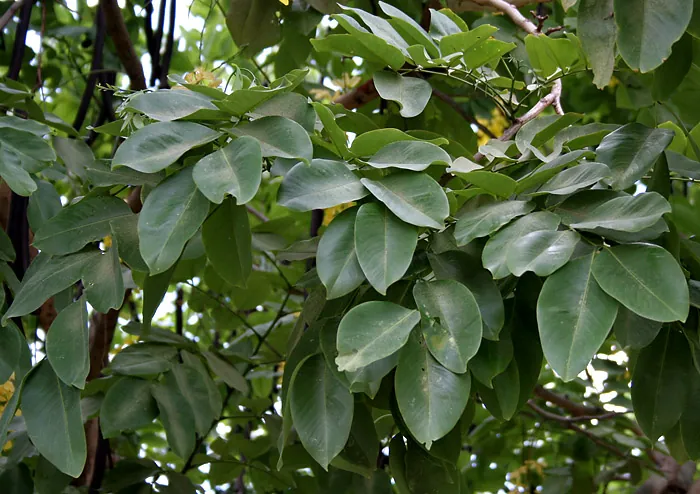
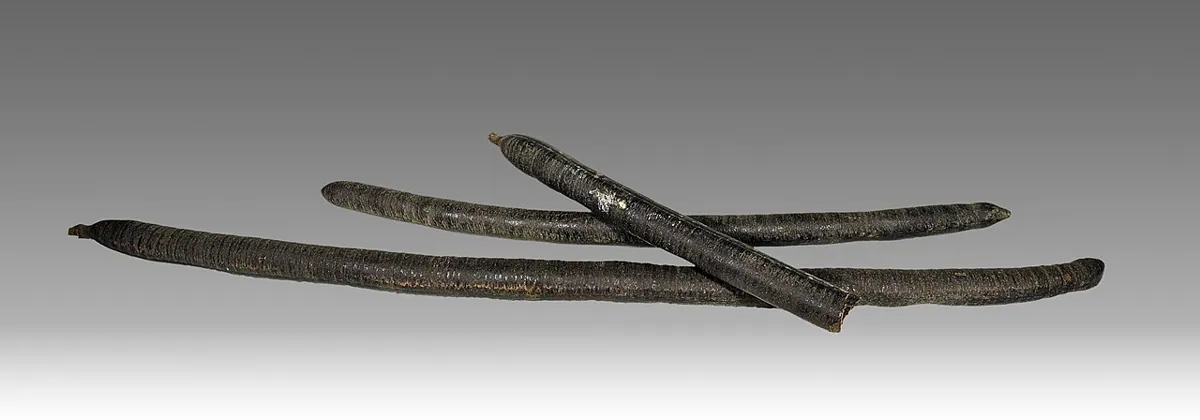
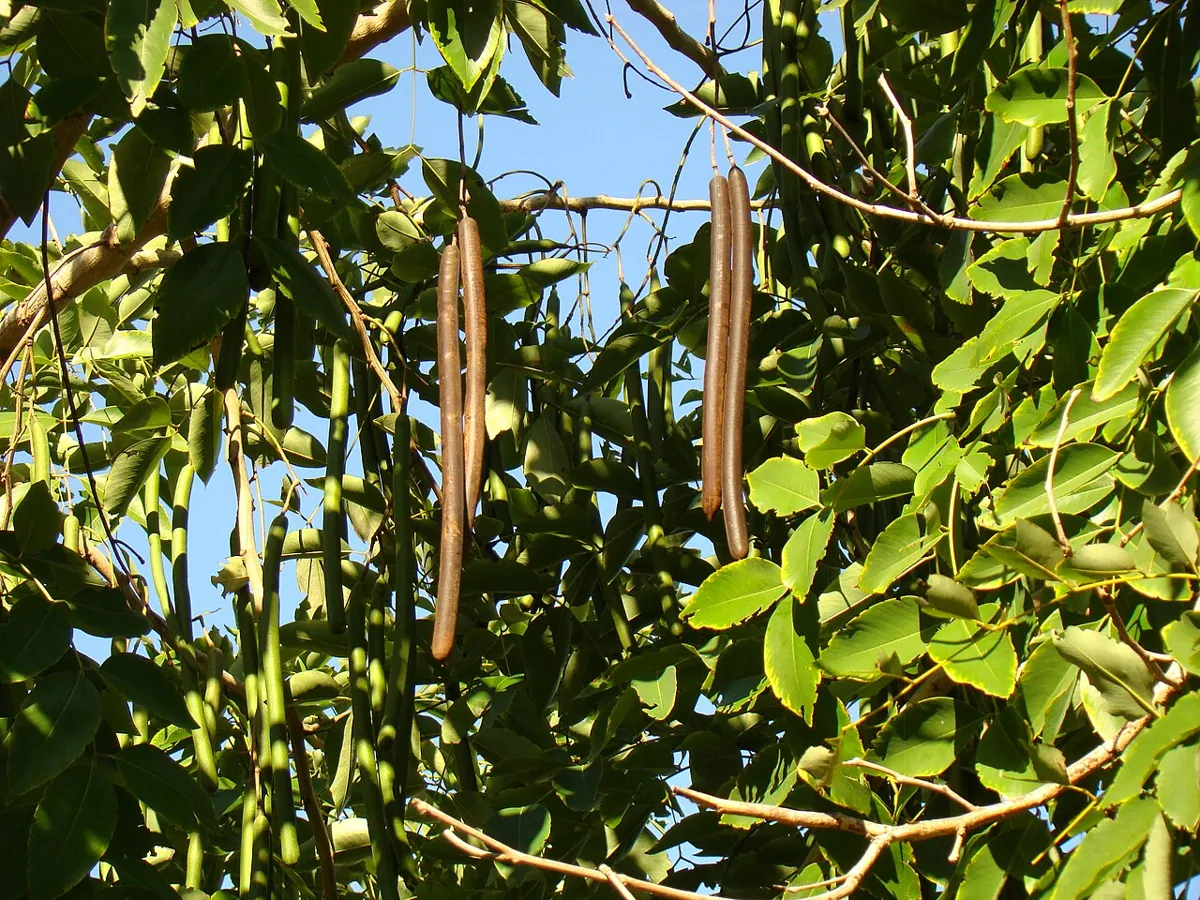
Long cylindrical black pods with many compartments of sweet, dark pulp and flat seeds.
Growing it at home
A beautiful, hardy avenue tree for Vidarbha; grows from seed.
Questions people ask
Is amaltas safe for children?
It is the mildest classical laxative; the vaidya gives the dose.
Is it good for skin?
Yes, it is in the Kushthaghna group.
This page is general information from classical Ayurvedic texts and published research. It is not a prescription. Herbs act differently in different people; take any herb only after a qualified vaidya examines you, and do not stop prescribed medicines.