
Aparajita
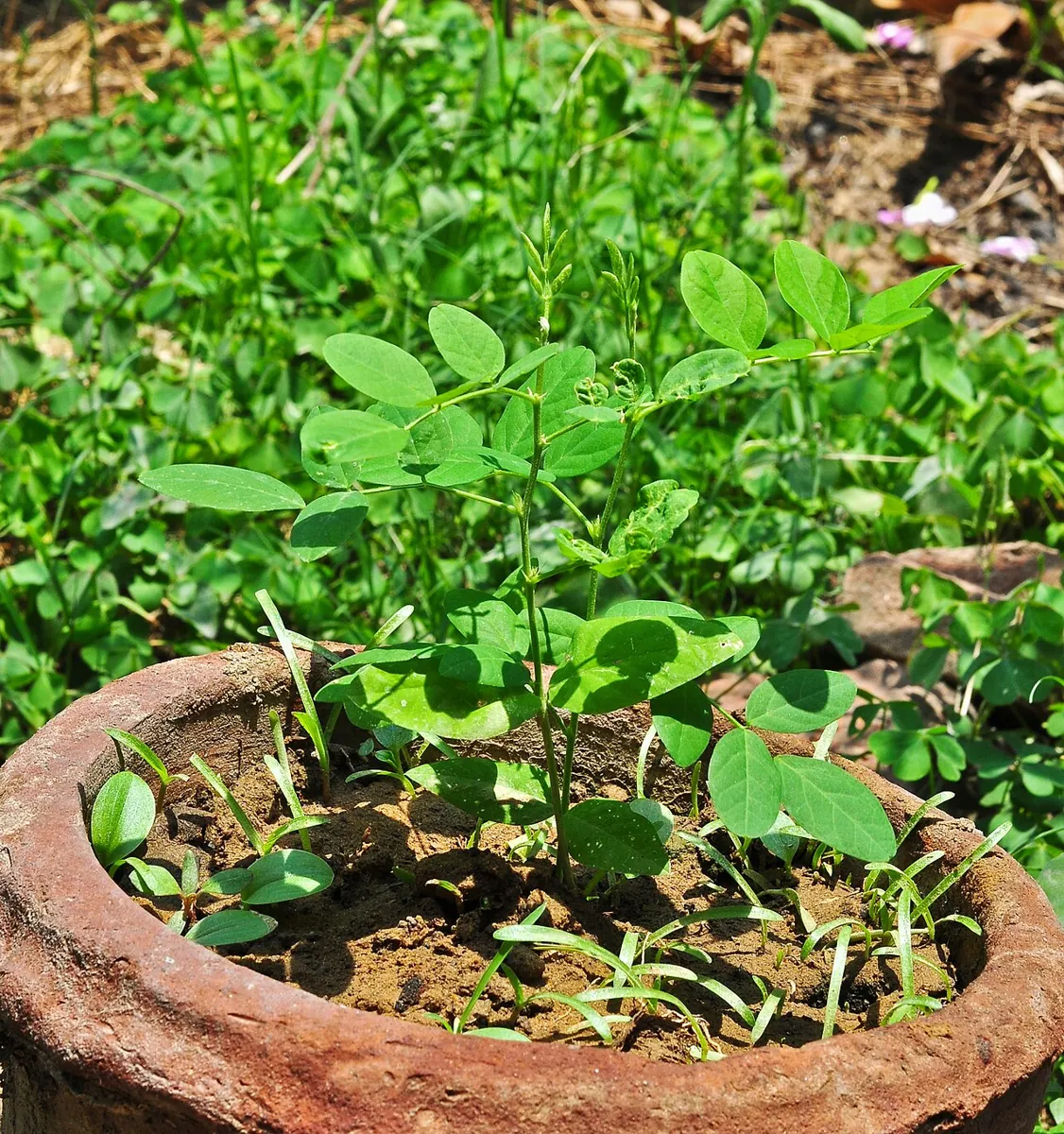
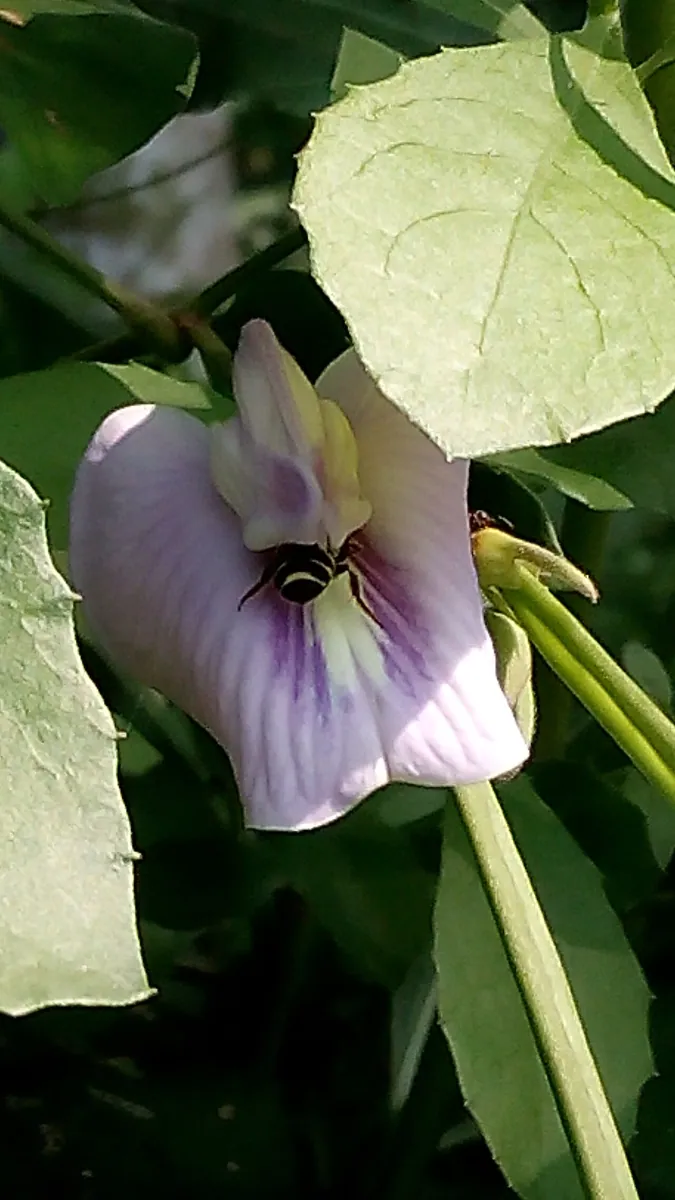
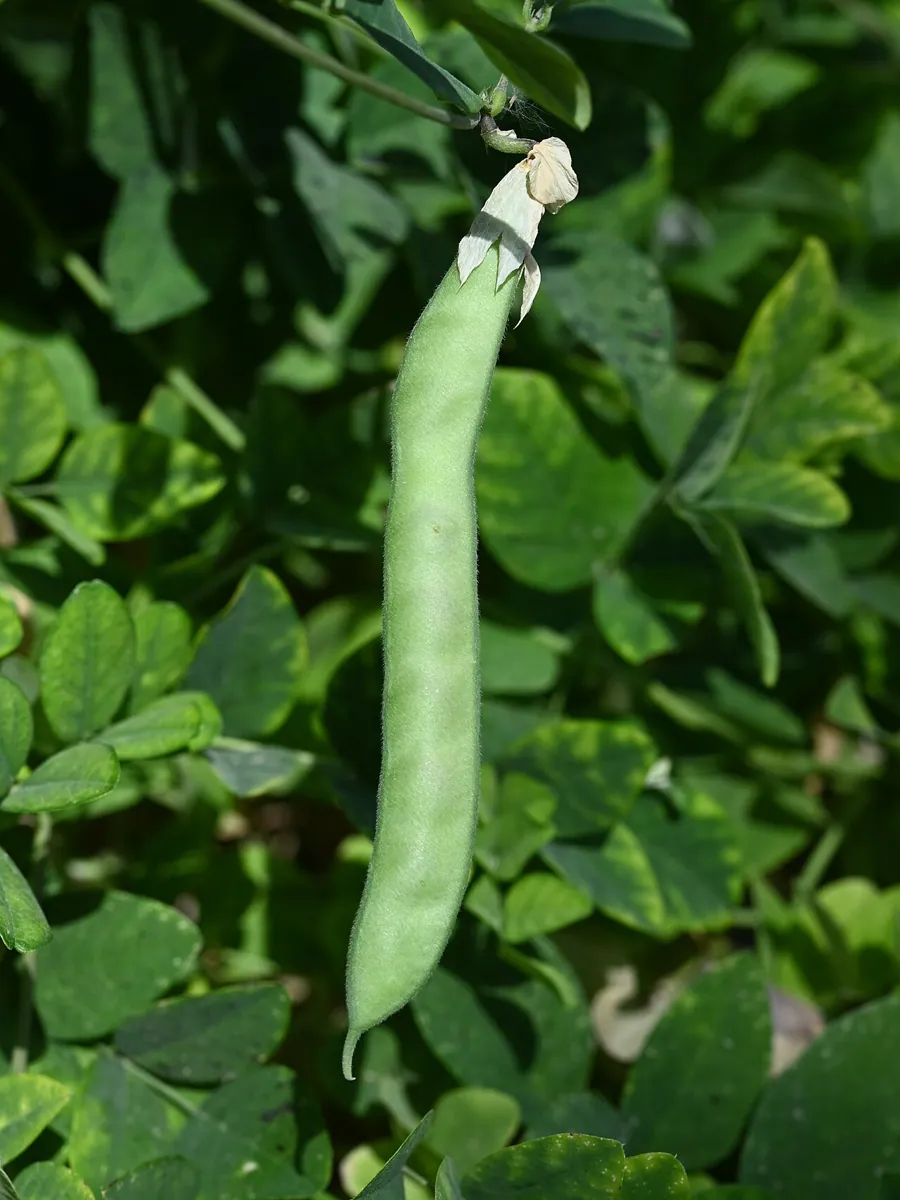
Aparajita (butterfly pea) is used in Ayurveda for memory, anxiety, headache and as a mild purgative.
About Aparajita
Aparajita is a climber with brilliant blue (or white) flowers, grown in Indian gardens and used in blue tea.
In the classical texts
- Bhavaprakasha NighantuDescribed as medhya, removing eye disease, poison and Kapha; white type preferred.
Synonyms (paryaya)
गिरीकर्णी,विष्णुक्रान्ता,आस्फोटा
girīkarṇī,viṣṇukrāntā,āsphoṭā
Classical indications
मेध्य, कण्ठ्य, चक्षुष्य, स्मृतिकर, विषहर
medhya, kaṇṭhya, cakṣuṣya, smṛtikara, viṣahara
Effect on the three doshas
How vaidyas use it in practice
- Root in memory formulas.
- Flower tea for calm.
- Seeds as purgative, as prescribed.
Simple home uses
- Blue flower tea (a few flowers in hot water).
For minor complaints only. If a problem lasts more than a few days or is severe, see a doctor.
What science says
Flowers contain anthocyanins (ternatins); animal studies show memory and anxiety effects.
Safety and cautions
Seeds are purgative.
Who should not take it
- Pregnancy (seeds/root)
How to identify it, and common adulterants
Single blue flowers with a white centre; flat pods.
Growing it at home
Easy climber.
Questions people ask
Is butterfly pea tea safe?
Yes, in normal amounts.
This page is general information from classical Ayurvedic texts and published research. It is not a prescription. Herbs act differently in different people; take any herb only after a qualified vaidya examines you, and do not stop prescribed medicines.