
Amalaki
Amalaki (amla) is Ayurveda's foremost rasayana fruit: cooling, sour-predominant, and used for digestion, skin, eyes, hair and healthy ageing.
About Amalaki
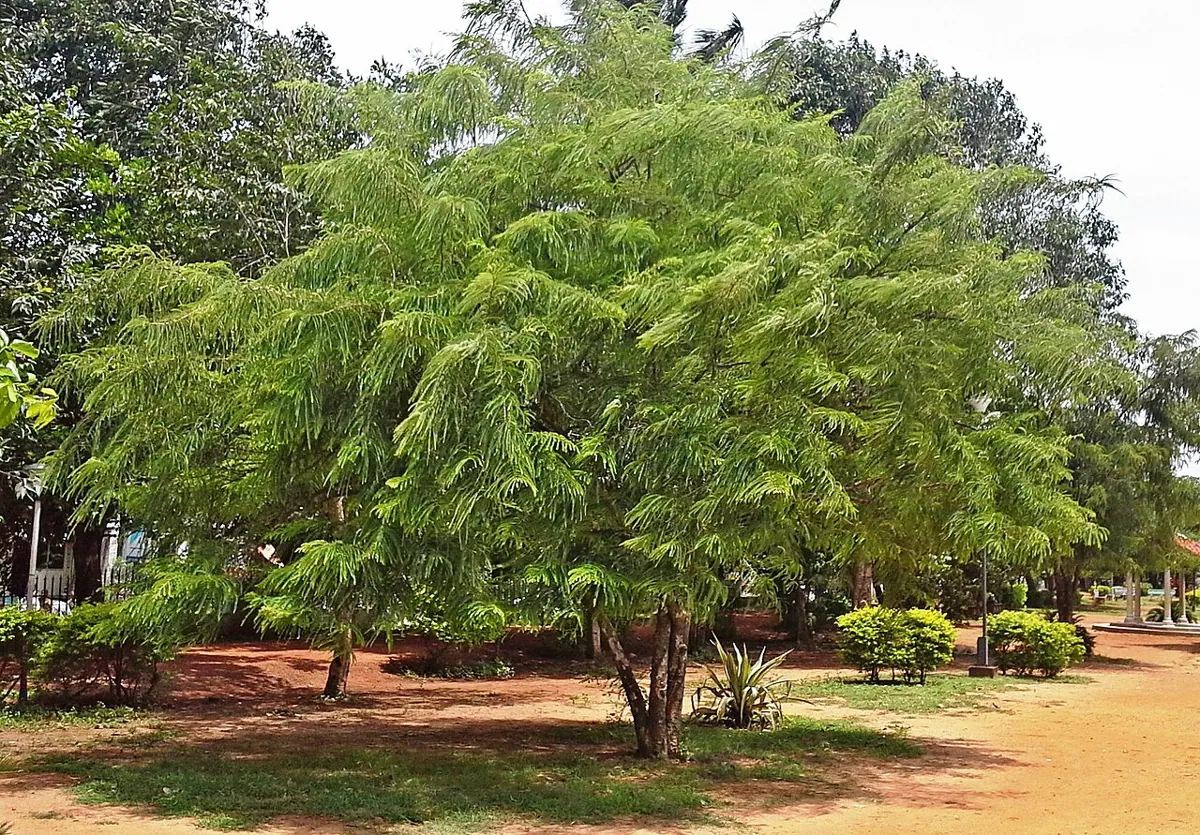
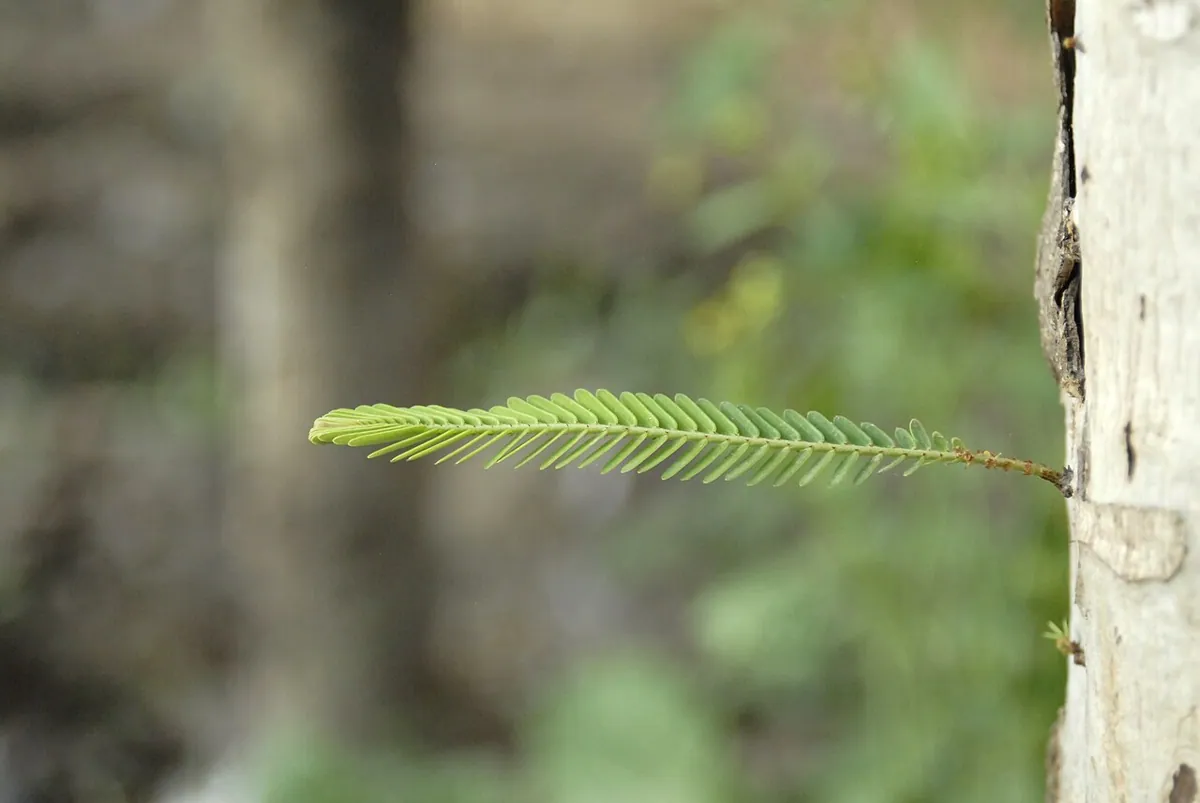
Amalaki is the fruit of a medium-sized deciduous tree that grows wild across the dry forests of central India, including Vidarbha, and is widely cultivated. The fruit ripens in winter. Ayurveda calls it Dhatri (the nurse) because, like a nurse, it supports the whole body. It is one of the three fruits of Triphala and the main ingredient of Chyavanaprasha.
Shloka from Bhavaprakasha Nighantu
हरीतकीसमं धात्रीफलं किन्तु विशेषतः। रक्तपित्तप्रमेहघ्नं परं वृष्यं रसायनम्॥
harītakīsamaṃ dhātrīphalaṃ kintu viśeṣataḥ| raktapittapramehaghnaṃ paraṃ vṛṣyaṃ rasāyanam||
हन्ति वातं तदम्लत्वात् पित्तं माधुर्यशैत्यतः। कफं रूक्षकषायत्वात् फलं धात्र्यास्त्रिदोषजित्॥
hanti vātaṃ tadamlatvāt pittaṃ mādhuryaśaityataḥ| kaphaṃ rūkṣakaṣāyatvāt phalaṃ dhātryāstridoṣajit||
Meaning: Amalaki has the qualities of Haritaki, but in particular it removes Raktapitta (bleeding disorders) and Prameha, and is an excellent aphrodisiac and rasayana. By its sourness it removes Vata; by its sweetness and coldness, Pitta; and by its dryness and astringency, Kapha. So the fruit of Dhatri conquers all three doshas.
Bhavaprakasha Nighantu, Haritakyadi varga
In the classical texts
- Charaka Samhita (Sutrasthana 4)Placed in the Vayahsthapana (age-sustaining), Jvaraghna, Kasaghna, Virechanopaga and Kushthaghna groups of fifty mahakashayas.
- Charaka Samhita (Chikitsasthana 1)The first chapter on Rasayana describes Amalaka rasayana and Chyavanaprasha, with Amalaki as the base.
- Bhavaprakasha Nighantu (Haritakyadi varga)Described beside Haritaki and Bibhitaka; said to share the qualities of Haritaki but to be especially good for Pitta and Rakta because it is cooling.
- Dhanvantari and Raja NighantuBoth list Dhatri among their main fruits, calling it vrishya (nourishing to reproductive tissue), chakshushya (good for the eyes) and tridoshahara.
- Ashtanga Hridaya (Chikitsasthana 12)Nisha-Amalaki, turmeric with amla, is advised in Prameha.
Synonyms (paryaya)
धात्री
dhātrī
Classical indications
रक्तपित, प्रमेह, वृष्य, रसायन, त्रिदोषहर, विबन्धहर
raktapita, prameha, vṛṣya, rasāyana, tridoṣahara, vibandhahara
Effect on the three doshas
How vaidyas use it in practice
- Fresh fruit or juice in season, 10 to 20 ml with water, for acidity, heat and mouth ulcers (Pitta conditions).
- Amalaki churna at night with warm water for regular, easy bowel movement; or as part of Triphala.
- Chyavanaprasha in the cold months for strength, cough-prone children and the elderly, as advised.
- With turmeric (Nisha-Amalaki) in blood-sugar care, always alongside the doctor's treatment.
- Amalaki oil and powder for hair; a Triphala decoction eye-wash is a classical practice, done only as the vaidya shows.
- Pairs: with ghee and honey for rasayana use; with jaggery in winter; with sugar candy for burning sensations.
Simple home uses
- One fresh amla a day in winter, eaten raw or as murabba.
- Amla juice 10–20 ml in water in the morning for heat and acidity.
- Amla powder in coconut oil as a hair pack, washed off after 30 minutes.
For minor complaints only. If a problem lasts more than a few days or is severe, see a doctor.
Well-known formulations
च्यवन्प्राश, ब्रह्मरसायन, धात्रीलौह
cyavanprāśa, brahmarasāyana, dhātrīlauha
What science says
Amla is a rich natural source of vitamin C and of tannins such as emblicanin-type compounds, gallic acid, ellagic acid and flavonoids. Laboratory and small clinical studies have looked at its antioxidant activity, its effect on blood lipids and blood sugar, and its use for acid reflux symptoms. The evidence is promising but most studies are small, so it is best seen as supportive food-medicine rather than a replacement for treatment.
Safety and cautions
Generally very safe as a food. Its sour taste can irritate some people with a very dry, Vata-type cough or loose stools when taken in excess. People on blood thinners or diabetes medicines should tell their doctor, because amla may add to their effect.
Who should not take it
- Very loose stools or diarrhoea at the time
- Severe cold and cough with chills (take it with honey or skip it)
- Those on diabetes or blood-thinning medicines, without their doctor's advice
How to identify it, and common adulterants
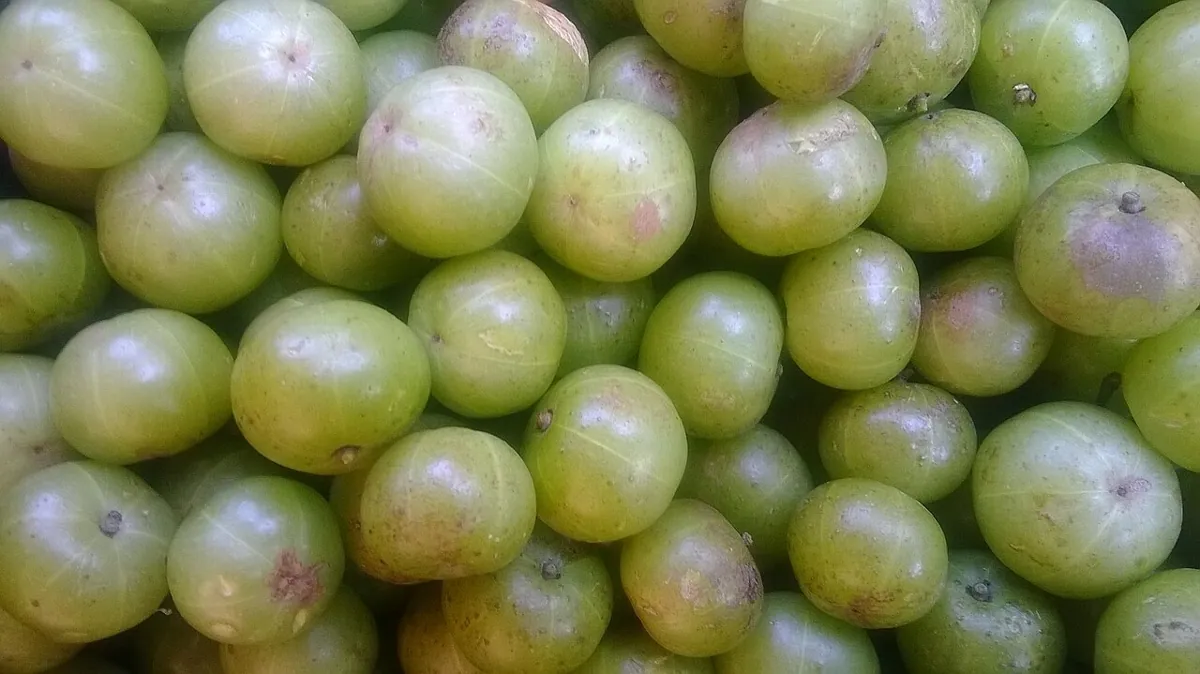
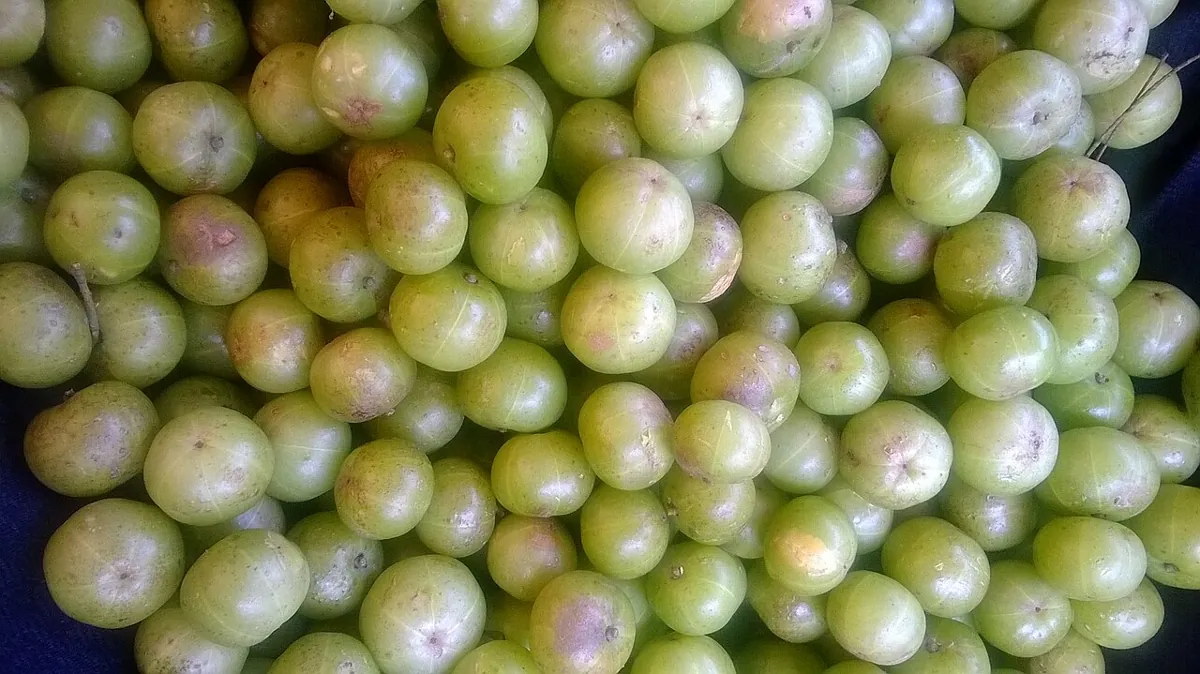
Fresh fruit is round, pale green-yellow with six faint vertical lines, very sour then sweet after water. Dry 'amla' sold loose may be stale or mouldy; buy clean, light-brown, well-dried pieces or powder from a licensed pharmacy.
Growing it at home
Grows well in Vidarbha's climate. Plant a grafted sapling (NA-7 or Krishna variety) in full sun in the monsoon; it tolerates dry, poor soil and fruits in 3–4 years.
Questions people ask
Is amla good to take every day?
In food amounts, yes. For a fixed daily medicinal dose, ask your vaidya, who will match the form (juice, powder, Chyavanaprasha) to your Prakriti and season.
Is amla hot or cold?
Cold in potency (shita virya), with a sweet post-digestive effect, which is why it is used for Pitta and heat-related complaints.
This page is general information from classical Ayurvedic texts and published research. It is not a prescription. Herbs act differently in different people; take any herb only after a qualified vaidya examines you, and do not stop prescribed medicines.