
Akarakarabha
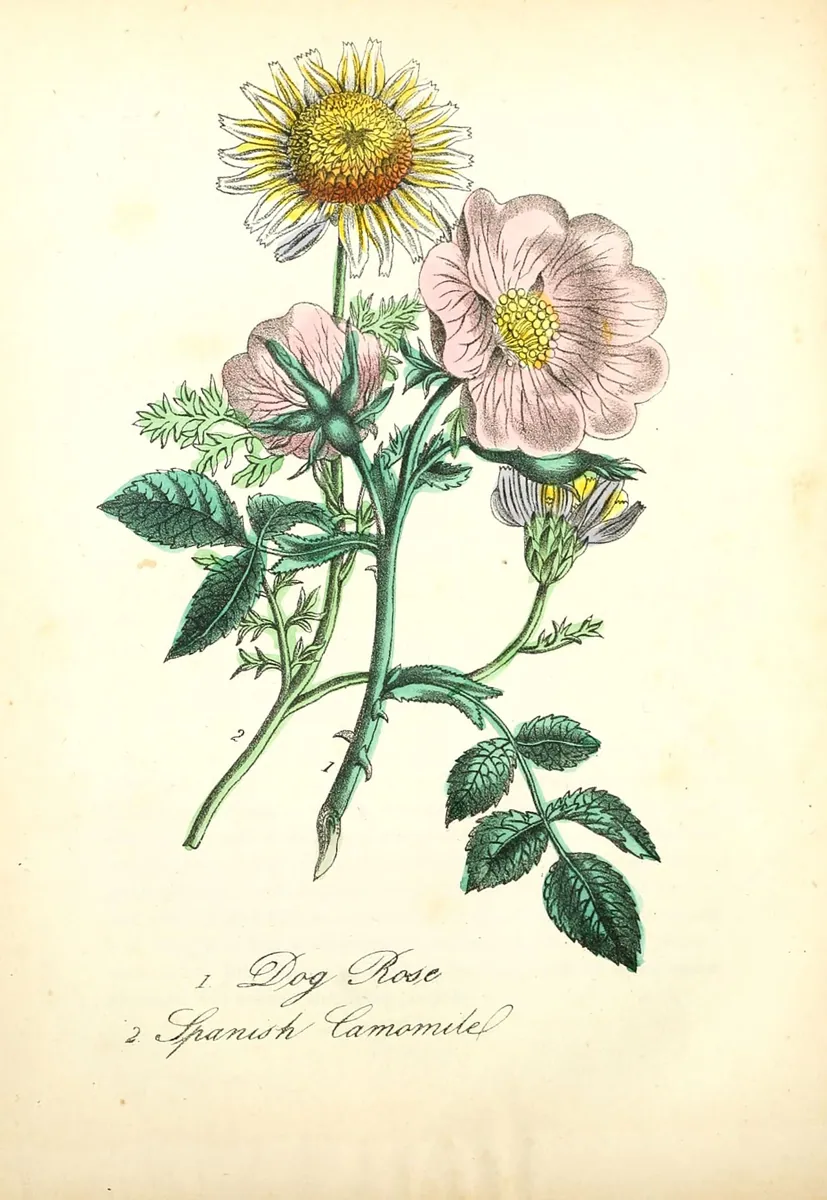
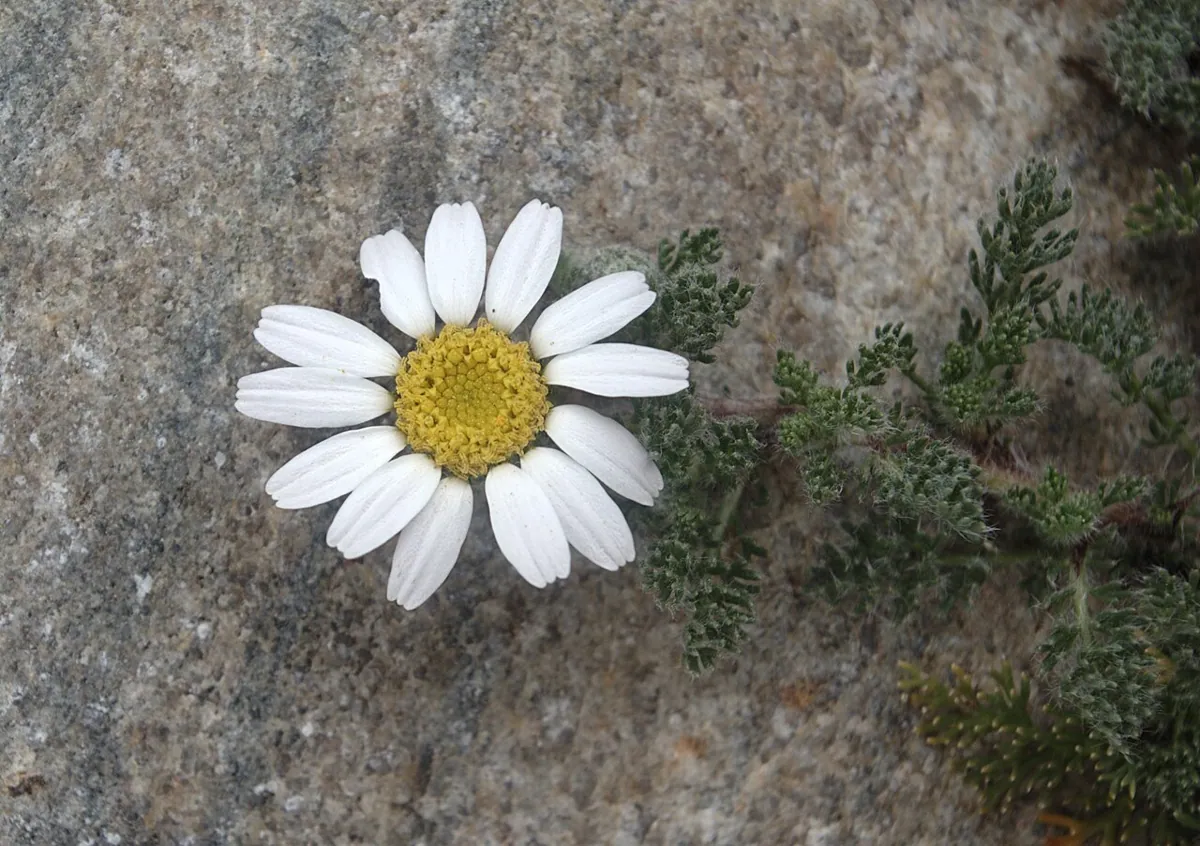
Akarakarabha (pellitory) is a pungent root used in Ayurveda for toothache, speech, nerve strength and male weakness.
About Akarakarabha
Akarakara is the root of a small daisy-like plant from North Africa, long imported into India. Chewing it causes tingling and salivation.
In the classical texts
- Later Ayurvedic and Unani textsDescribed as pungent, hot, nerve-stimulating and aphrodisiac.
Synonyms (paryaya)
अकल्कक,अकरकरा
akalkaka,akarakarā
Classical indications
प्रतिश्याय, शोथ, शुक्रस्तम्भक, मुखवैशद्यकर
pratiśyāya, śotha, śukrastambhaka, mukhavaiśadyakara
Effect on the three doshas
How vaidyas use it in practice
- In tooth powders for toothache.
- In formulas for stammering.
- In Vajikarana formulas.
Simple home uses
- Root powder rubbed on a painful gum.
For minor complaints only. If a problem lasts more than a few days or is severe, see a doctor.
What science says
Contains pellitorine (an alkamide) which causes tingling and numbness.
Safety and cautions
Pungent; use small amounts.
Who should not take it
- Pregnancy
- Mouth ulcers
How to identify it, and common adulterants
Brown wrinkled roots that cause tingling when chewed.
Growing it at home
Not grown in India commercially.
Questions people ask
Why does it make the tongue tingle?
Because of pellitorine.
This page is general information from classical Ayurvedic texts and published research. It is not a prescription. Herbs act differently in different people; take any herb only after a qualified vaidya examines you, and do not stop prescribed medicines.