
Agnimantha
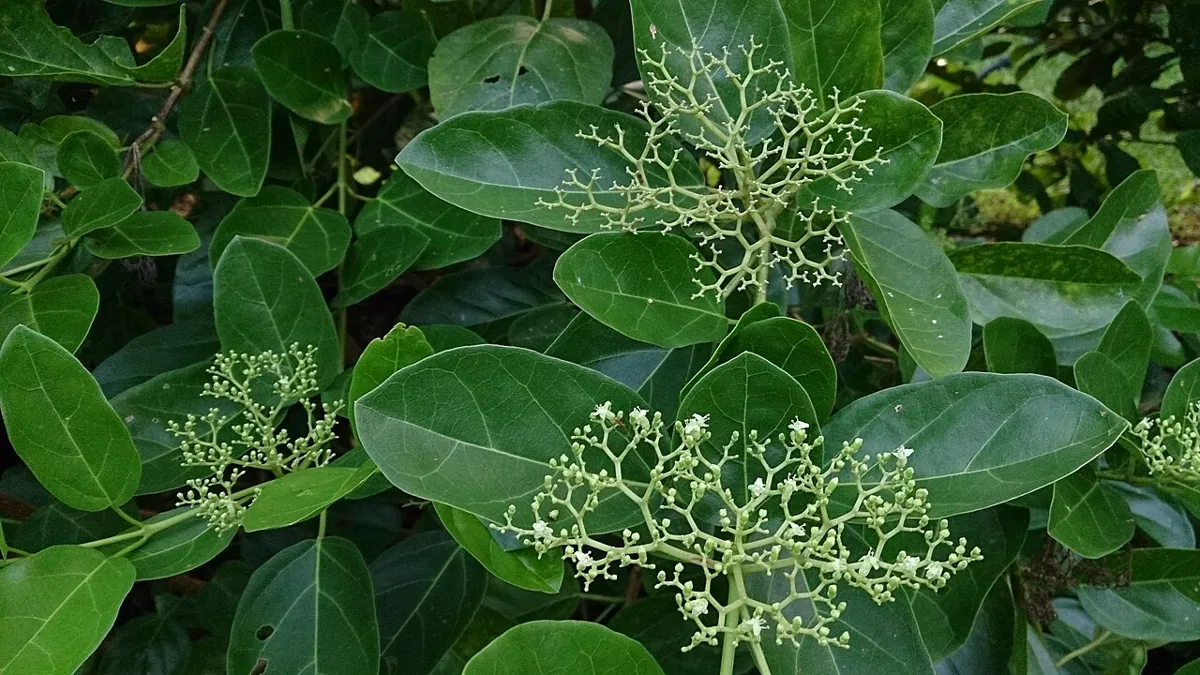
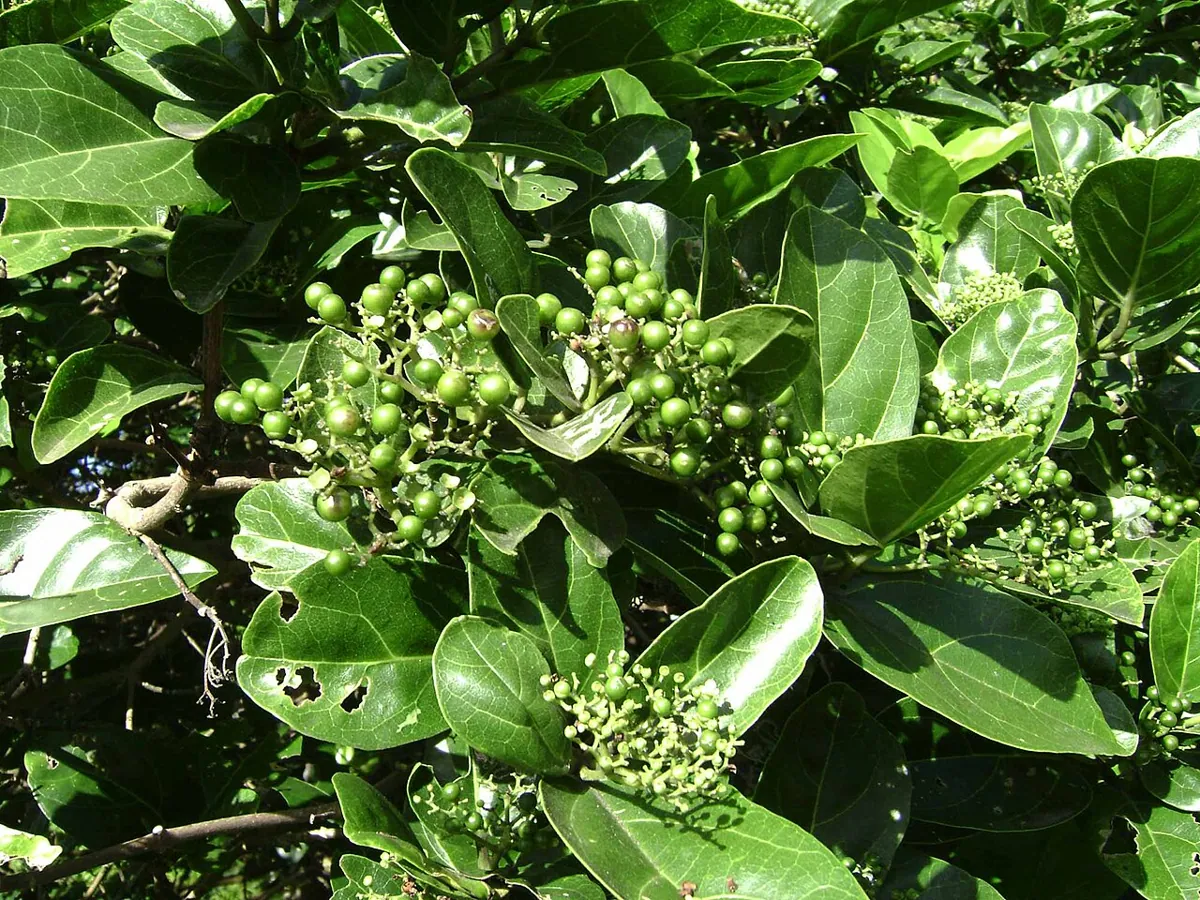
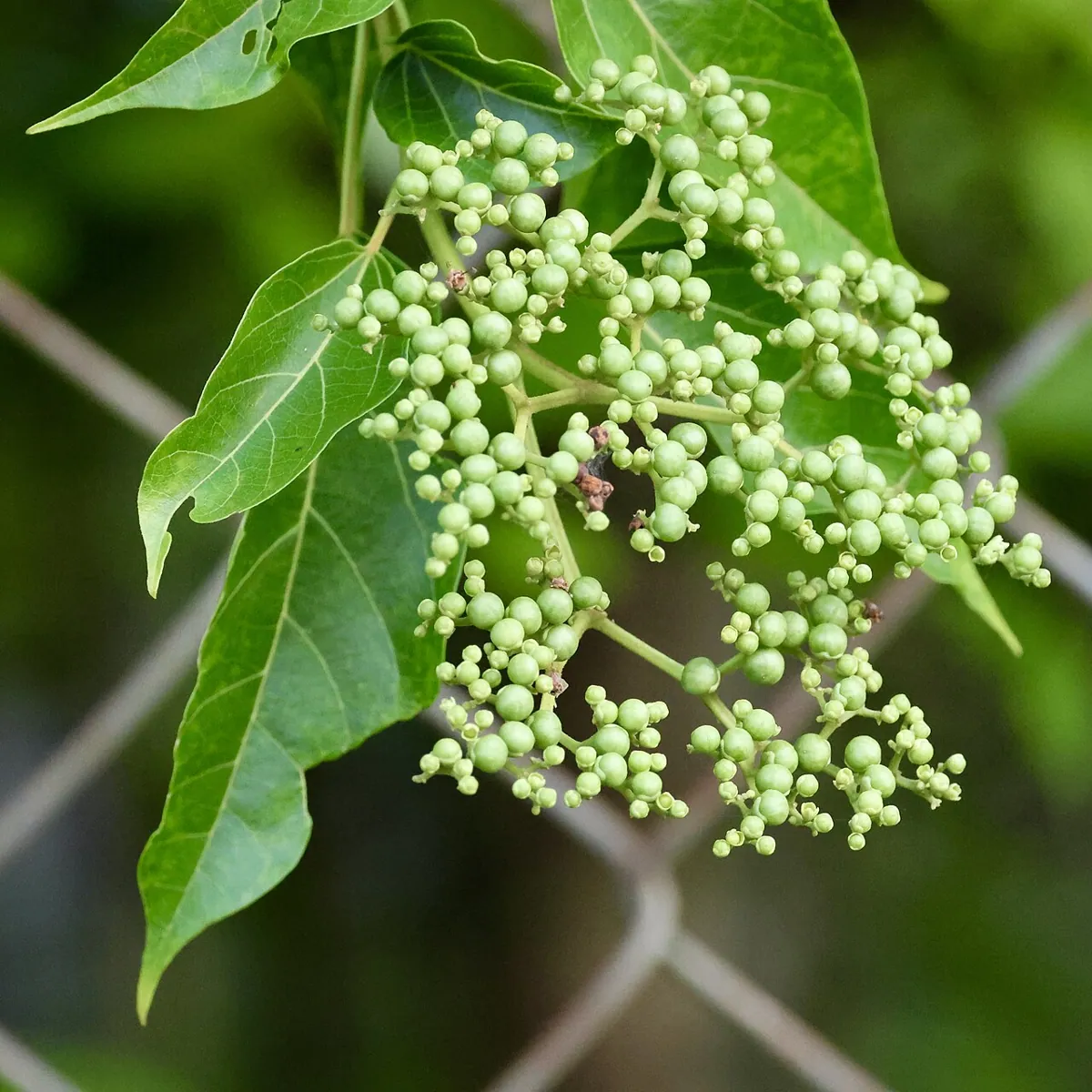
Agnimantha is one of the ten roots of Dashamula, used in Ayurveda for swelling, Vata-Kapha disorders, weak digestion and obesity.
About Agnimantha
Agnimantha is a small tree of coastal and deciduous forests whose wood was rubbed to make fire in Vedic times (agni-mantha, 'fire-churner'). Its root is one of the five roots of Brihat Panchamula.
Shloka from Bhavaprakasha Nighantu
अग्निमन्थः श्वयथुनुद्वीर्योष्णः कफवातहृत्। पाण्डुनुत्कटुकस्तिक्तस्तुवरो मधुरोऽग्निदः॥
agnimanthaḥ śvayathunudvīryoṣṇaḥ kaphavātahṛt| pāṇḍunutkaṭukastiktastuvaro madhuro'gnidaḥ||
Meaning: Agnimantha removes swelling, is hot in potency and removes Kapha and Vata. It removes anaemia, is pungent, bitter, astringent and sweet, and kindles digestion.
Bhavaprakasha Nighantu
In the classical texts
- Charaka Samhita (Sutrasthana 4)Included in the Shvayathuhara and Shitaprashamana groups; part of Brihat Panchamula.
- Bhavaprakasha NighantuDescribed with the shloka above.
- Classical formulasDashamularishta, Dashamula kwatha.
Synonyms (paryaya)
जय,श्रीपर्ण,गणिकारिका,वातघ्नी,
jaya,śrīparṇa,gaṇikārikā,vātaghnī,
Classical indications
मंदाग्नि, शोथ, पाण्डु, रसायन, आमवत, प्रमेह
maṃdāgni, śotha, pāṇḍu, rasāyana, āmavata, prameha
Effect on the three doshas
How vaidyas use it in practice
- As part of Dashamula kwatha for swelling, back pain and post-natal care.
- Leaf decoction in obesity and high fat, as advised.
- In Amavata with other Dashamula herbs.
Simple home uses
- Not usually a home remedy; it is taken as Dashamula preparations.
For minor complaints only. If a problem lasts more than a few days or is severe, see a doctor.
Well-known formulations
दशमूलारिष्ट
daśamūlāriṣṭa
What science says
Premna species contain diterpenoids, flavonoids and iridoids. Laboratory studies show anti-inflammatory and anti-obesity effects.
Safety and cautions
Generally safe as part of Dashamula. Avoid concentrated use in pregnancy without advice.
Who should not take it
- Pregnancy (without advice)
- High Pitta
How to identify it, and common adulterants
Several Premna and Clerodendrum species are traded as Agnimantha; the pharmacy should confirm the species.
Growing it at home
A hardy coastal shrub-tree; grows from cuttings.
Questions people ask
What is Dashamula?
A classical blend of ten roots (five large tree roots and five small herb roots) used for Vata and swelling.
This page is general information from classical Ayurvedic texts and published research. It is not a prescription. Herbs act differently in different people; take any herb only after a qualified vaidya examines you, and do not stop prescribed medicines.