
Agastya
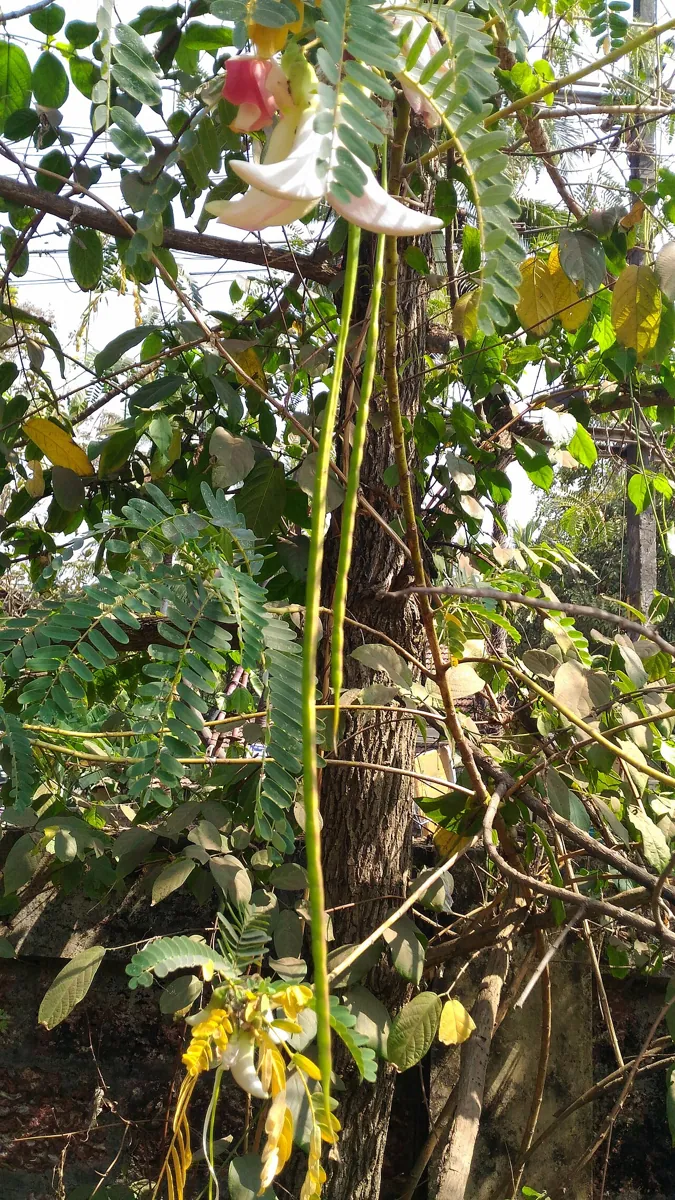
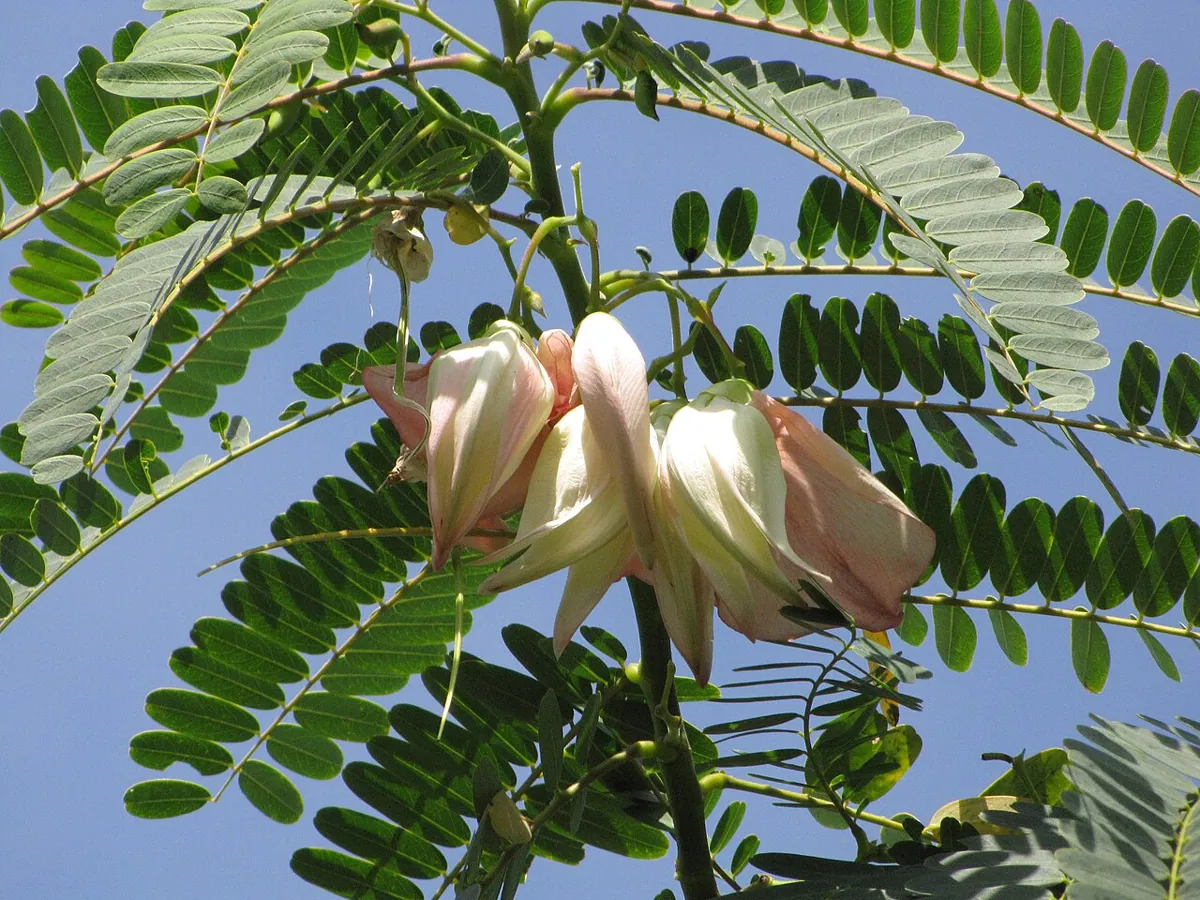
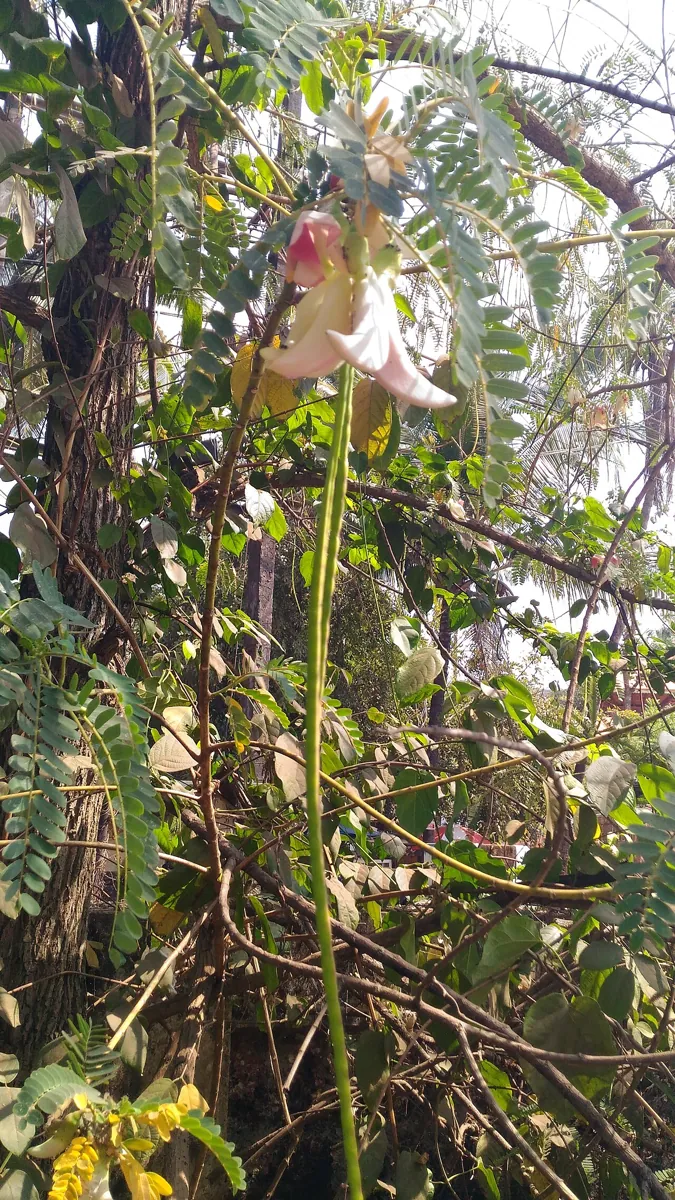
Agastya (agati) is a fast-growing tree whose flowers and leaves are used in Ayurveda for night blindness, fever, cough and as nutritious food.
About Agastya
Agastya is a small tree with large white or red flowers, cultivated in South India and Maharashtra. Its flowers and leaves are eaten.
In the classical texts
- Bhavaprakasha NighantuAgastya flowers described as cold, removing Pitta, Kapha, four-day fever and night blindness.
Synonyms (paryaya)
मुनिद्रुम,बंगसेन,वक्रपुष्प,
munidruma,baṃgasena,vakrapuṣpa,
Classical indications
चतुर्थिकज्वर, प्रतिश्याय, अपस्मारहर
caturthikajvara, pratiśyāya, apasmārahara
Effect on the three doshas
How vaidyas use it in practice
- Flower juice nasya for headache, as advised.
- Leaves as a nutritious vegetable.
- Flowers in night blindness (vitamin A rich).
Simple home uses
- Agati leaves cooked as greens.
For minor complaints only. If a problem lasts more than a few days or is severe, see a doctor.
What science says
Leaves are rich in vitamin A, calcium and iron.
Safety and cautions
Safe as food.
Who should not take it
- None in usual food use
How to identify it, and common adulterants
Large curved white or red flowers; long thin pods.
Growing it at home
Grows quickly from seed.
Questions people ask
Are agati flowers edible?
Yes, cooked.
This page is general information from classical Ayurvedic texts and published research. It is not a prescription. Herbs act differently in different people; take any herb only after a qualified vaidya examines you, and do not stop prescribed medicines.